Boris Tchaikovsky: Fascinating Works and Their Legacy
Boris Tchaikovsky (1925–1996) was a significant Soviet and Russian composer whose contributions to 20th-century music are noted for their distinctive blend of tradition and innovation. Despite sharing a surname, Boris Tchaikovsky was not related to the famed 19th-century composer Pyotr Ilyich Tchaikovsky, but he carried forward the Russian classical tradition in compelling, original ways.
Background and Style
Born in Moscow, Tchaikovsky initially studied at the Gnessin Moscow Music School before entering the Moscow Conservatory in 1943. His teachers included notable figures such as Dmitri Shostakovich, Nikolai Myaskovsky, Vissarion Shebalin, and Lev Oborin. This diverse and celebrated pedagogical background shaped his mature style. His output includes orchestral works, chamber music, and more than fifty scores for cinema and television, as well as incidental music for radio and theater plays. Tchaikovsky's music is generally tonal, yet he occasionally experimented with serialism, maintaining a distinctive personal voice marked by lyricism and structural clarity.
Chamber Symphony & Sinfonietta
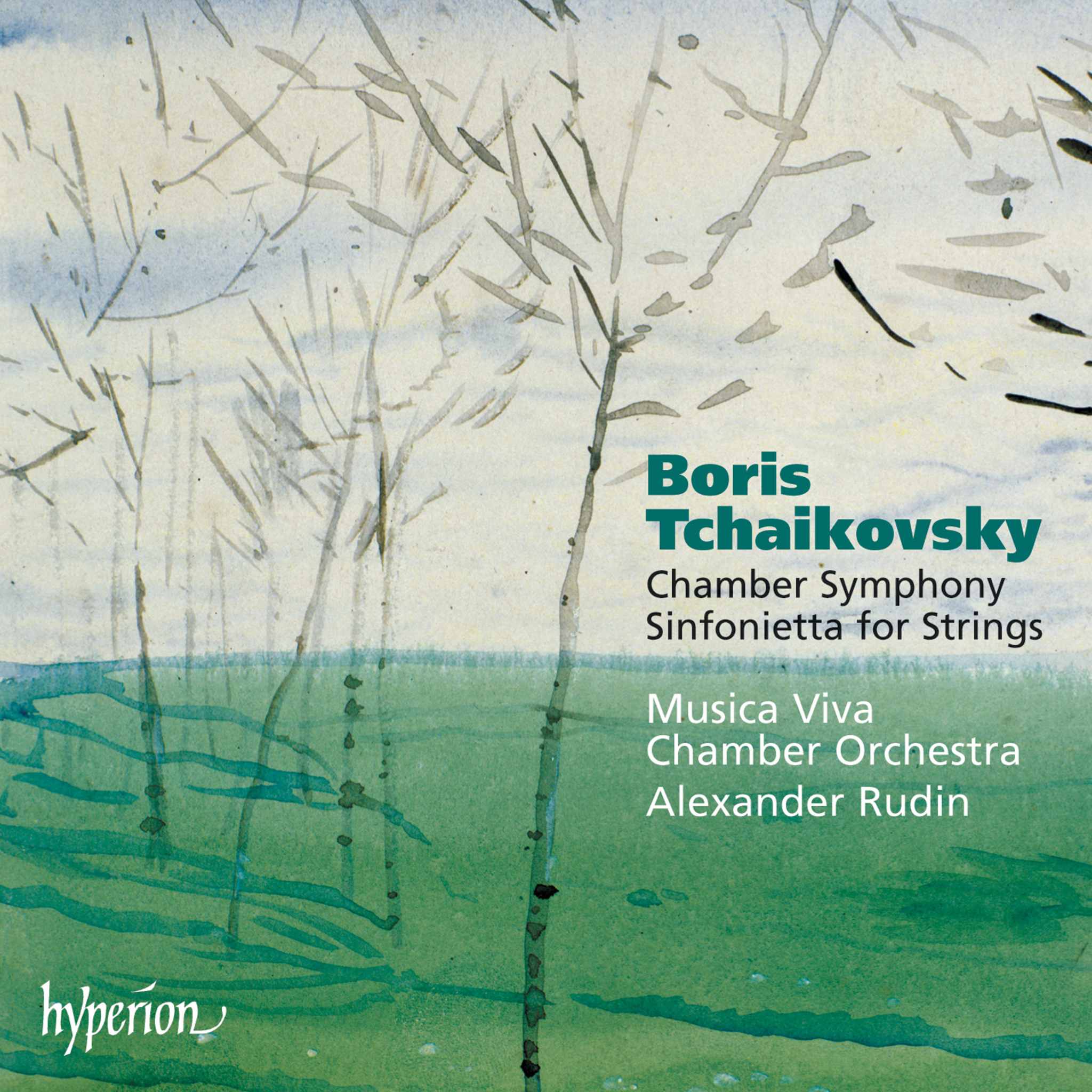
The Musica Viva Chamber Orchestra under Alexander Rudin has brought renewed attention to Tchaikovsky’s remarkable chamber works, including the Chamber Symphony and Sinfonietta. These pieces reveal his mastery in balancing intricate textures with expressive melodies. The Chamber Symphony is noted for its concise form and sophisticated orchestration, demonstrating his ability to infuse chamber music with symphonic depth. The Sinfonietta exhibits clarity, elegance, and rhythmic vibrancy, reflecting both his traditional training and willingness to innovate within smaller forms.
Legacy and Influence
Tchaikovsky received considerable recognition in his lifetime, including the USSR State Prize in 1969 for his Symphony No. 2. He taught composition at the Russian Academy of Music from 1989 to 1996, and was honorary First Secretary of the Composers' Association of the Russian Federation from 1968 to 1973.