Skip to content
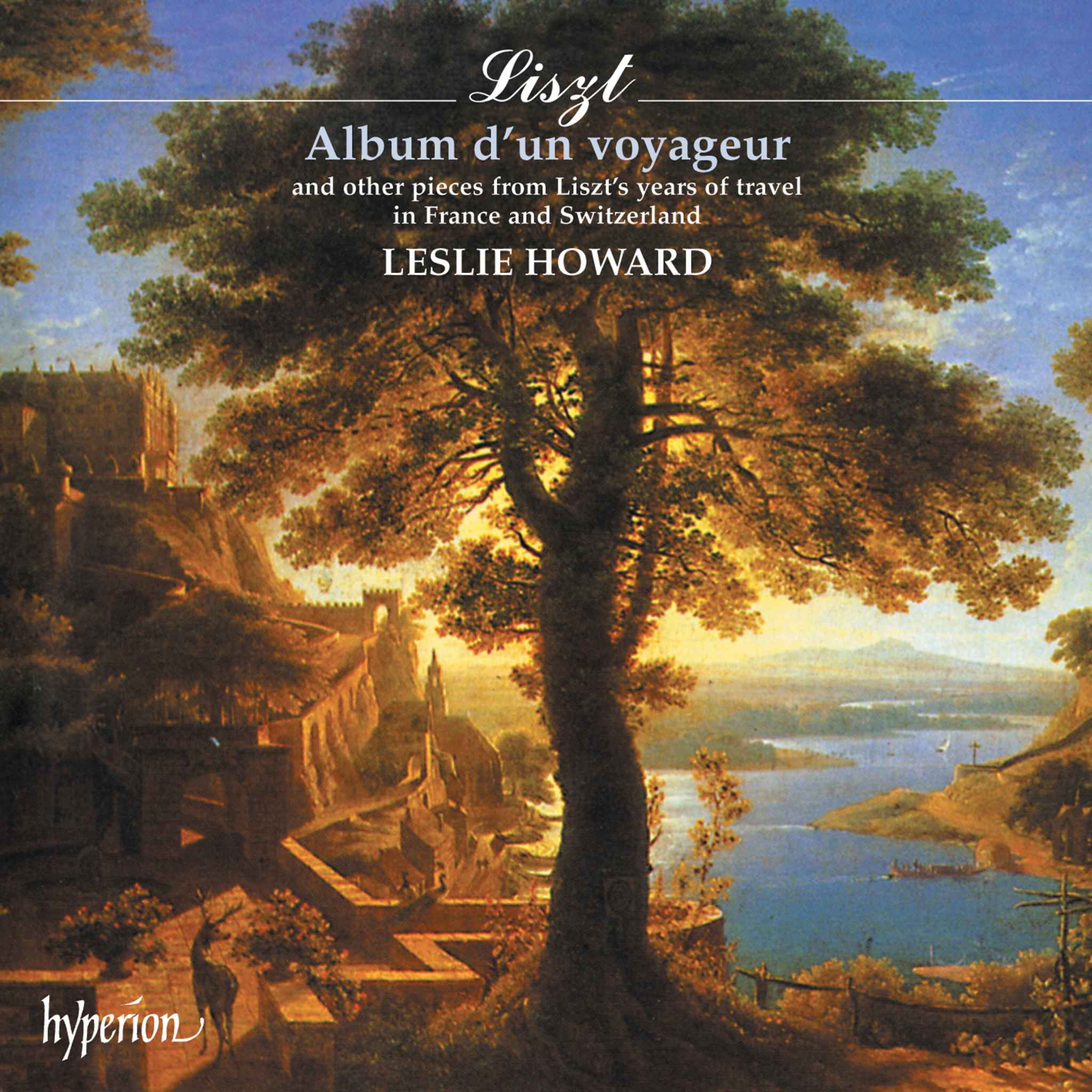
Liszt: Complete Piano Music 53 – Music for Piano & Orchestra I

Liszt: Complete Piano Music 53 – Music for Piano & Orchestra I

Leslie Howard, Budapest Symphony Orchestra, Karl Anton Rickenbacher

Duration159 Min

Franz Liszt composed approximately sixteen to seventeen pieces for piano and orchestra, with Totentanz being among his best-known works. Other compositions exist, either documented or performed by Liszt himself, but these have not survived to the present day. Only a small portion of his works were publicly performed by him. In his early years, he began composing concert pieces, but these were not completed until a later, more mature period of his career. In the 1830s, Liszt devoted himself to various compositions, including the Malédiction Concerto and the Lélio Fantasy. Toward the end of this decade, some of his works, such as the Hexaméron Variations, were performed several times but remained unpublished.

Toward the end of the 1830s, Liszt began work on three concertos. Two of these were not published for twenty years, while the third appeared posthumously. The development of the Totentanz (Dance of Death) spanned about ten years, and in the 1850s Liszt revised other works, including the Capriccio alla turca and his orchestral arrangement of the Grand Solo de concert. He composed the Hungarian Fantasy and revised adaptations of Weber's Polonaise and Schubert's Wanderer Fantasy. By the end of the decade, he had completed his First Concerto and the final version of the Totentanz, which, however, was never performed. The Second Concerto was completed in 1861, with Liszt acting only as conductor and no longer as soloist. Liszt contributed to the Hungarian Gypsy Airs, which, however, are not among his major works. The Concerto pathétique became a popular work, also orchestrated by his students. Liszt's later arrangement of this concerto led to some uncertainty regarding his actual contribution to the composition.