Skip to content

Composer

Siegfried Translateur

1875 — 1944

Fascinating Works by Siegfried Translateur

Siegfried Translateur (1875–1944) was a celebrated German conductor and composer renowned for his captivating waltzes, marches, and light dance music. Born in Bad Carlsruhe (now Pokój, Poland), Translateur studied in Breslau, Vienna, and Leipzig, honing his craft under the guidance of notable musicians, including the French composer Émile Waldteufel. Following his move to Berlin, Translateur rose to prominence as an orchestra conductor, with his works performed internationally and even for Emperor Wilhelm II. His enduring musical legacy continues to fascinate audiences worldwide.

The Brilliance of Translateur's Compositions

The brilliance of Translateur's compositions, captured in each performance, showcases a depth that transcends time. Immerse yourself in the remarkable symphony of Translateur's captivating creations. His works, including his well-known Wiener Praterleben waltz, which gained fame as Sportpalastwalzer in 1920s Berlin, are a testament to the golden era of Berlin’s musical landscape.

The Legacy of Siegfried Translateur

Translateur’s orchestra toured internationally, earning acclaim and performing before royalty and prominent figures. In 1911, he founded the "Lyra" music publishing company in Berlin, publishing his own works and those of other prominent composers. The business was later joined by his son Hans Translateur. His legacy, however, was under threat following the rise of the Nazi regime. Despite these challenges, Translateur's music continues to inspire and captivate audiences, leaving an enduring mark on the world of classical music.

Translateur's Works and the Berliner Philharmoniker

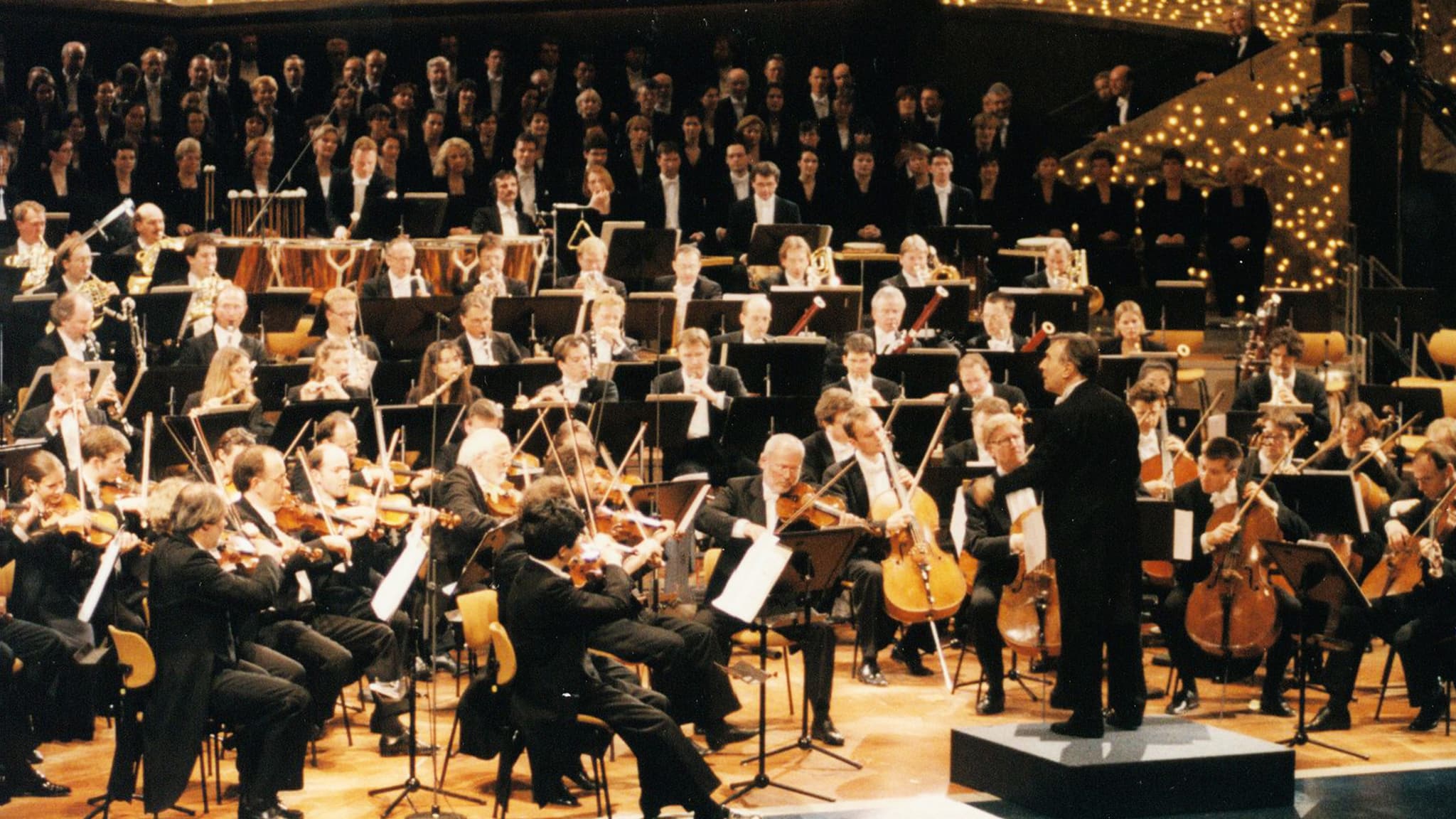
While there is no evidence that Siegfried Translateur's works were performed at the "Gala from Berlin 1999 – Grand Finales" by the Berliner Philharmoniker, the exceptional talents of the Berliner Philharmoniker have brought many captivating creations to life. Their performances have showcased some of the most memorable orchestral works, including grand finales that pay tribute to the rich tradition of European light music. These stunning performances remain a testament to the enduring power of classical music.