


Kenneth Leighton influenced James MacMillan's musical development from a young age, when MacMillan was exposed to Leighton's works in the school choir. Leighton, whose music is characterized by its distinctive melodic style and spiritual depth, left a lasting impression on MacMillan and even influenced his decision to study at Edinburgh University, where Leighton was a lecturer. The expressiveness and technical skill of Leighton's compositions were able to trigger a profound transformation in MacMillan.[2]
While MacMillan differs from other composers of religious music such as Tavener, Pärt, or Górecki, he particularly emphasizes the grounding of the divine in everyday life. He sees Messiaen and Shostakovich as sources of inspiration, exemplifying the connection between transcendence and earthly experience. MacMillan emphasizes that his complex music demands an intense engagement from the listener.
A central element in MacMillan's work is his pronounced sense of drama and his artistic engagement with themes such as political oppression and liberation theology. Inspired by the ideas of theologians like Jürgen Moltmann and Dietrich Bonhoeffer, he consciously distances himself from minimalist movements. MacMillan avoids staging his music, instead striving to bring about a spiritual transformation in his listeners through his works.
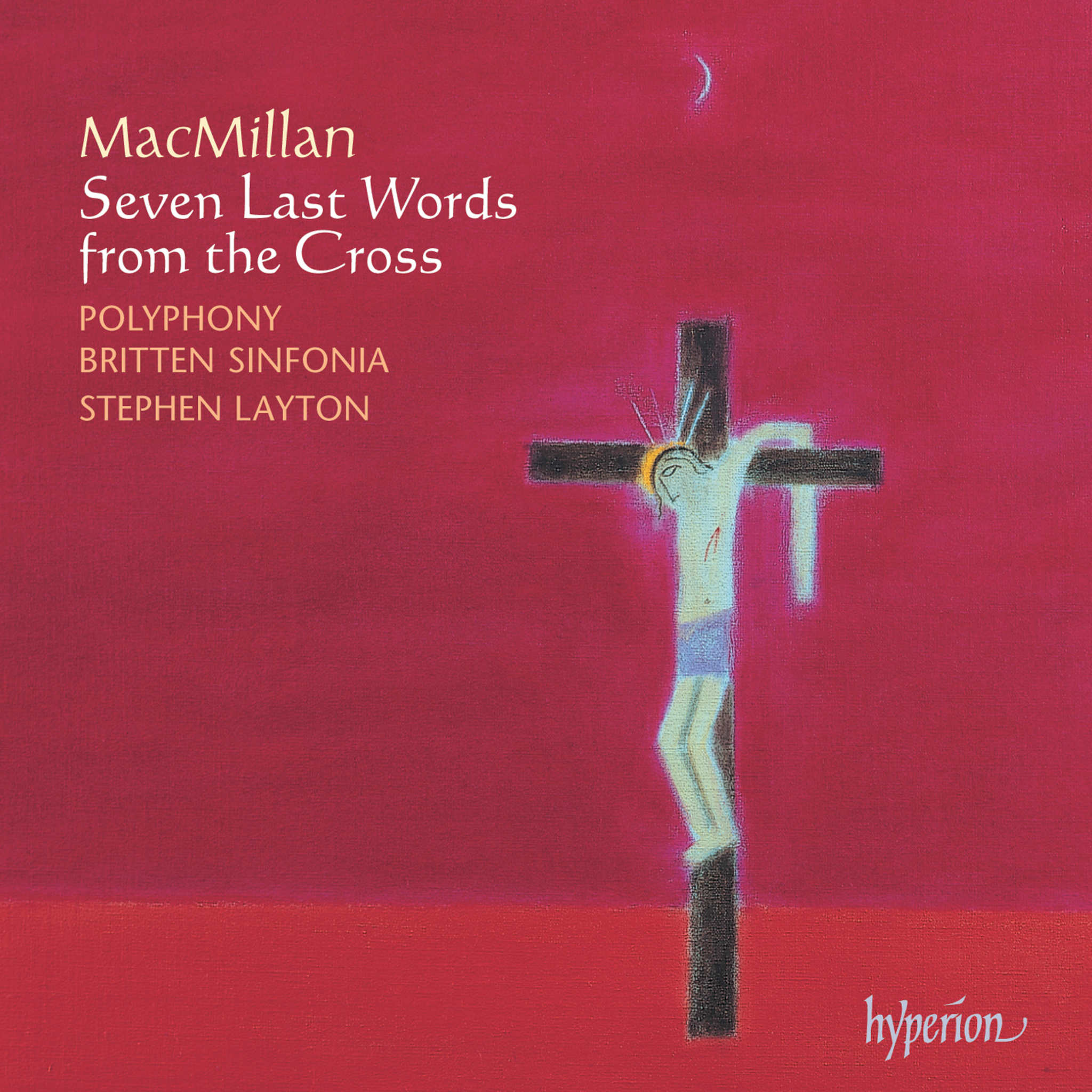
In "Seven Last Words from the Cross," MacMillan grapples intensely with the last words of Jesus Christ. The composition combines liturgical reflections with dramatic expressiveness and emotional depth to illuminate central aspects of the Christian faith. In this way, MacMillan's music bridges the gap between tradition and innovation, addressing the contrasts of good and evil, as well as peace and violence.
With pieces such as "On the Annunciation of the Blessed Virgin" and "Te Deum," MacMillan demonstrates his creative versatility by blending traditional and modern elements into atmospheric soundscapes. His oeuvre is characterized by a rich array of musical techniques, from intricately ornamented vocal lines to expressive organ passages, always with the aim of providing listeners with a transformative experience.