
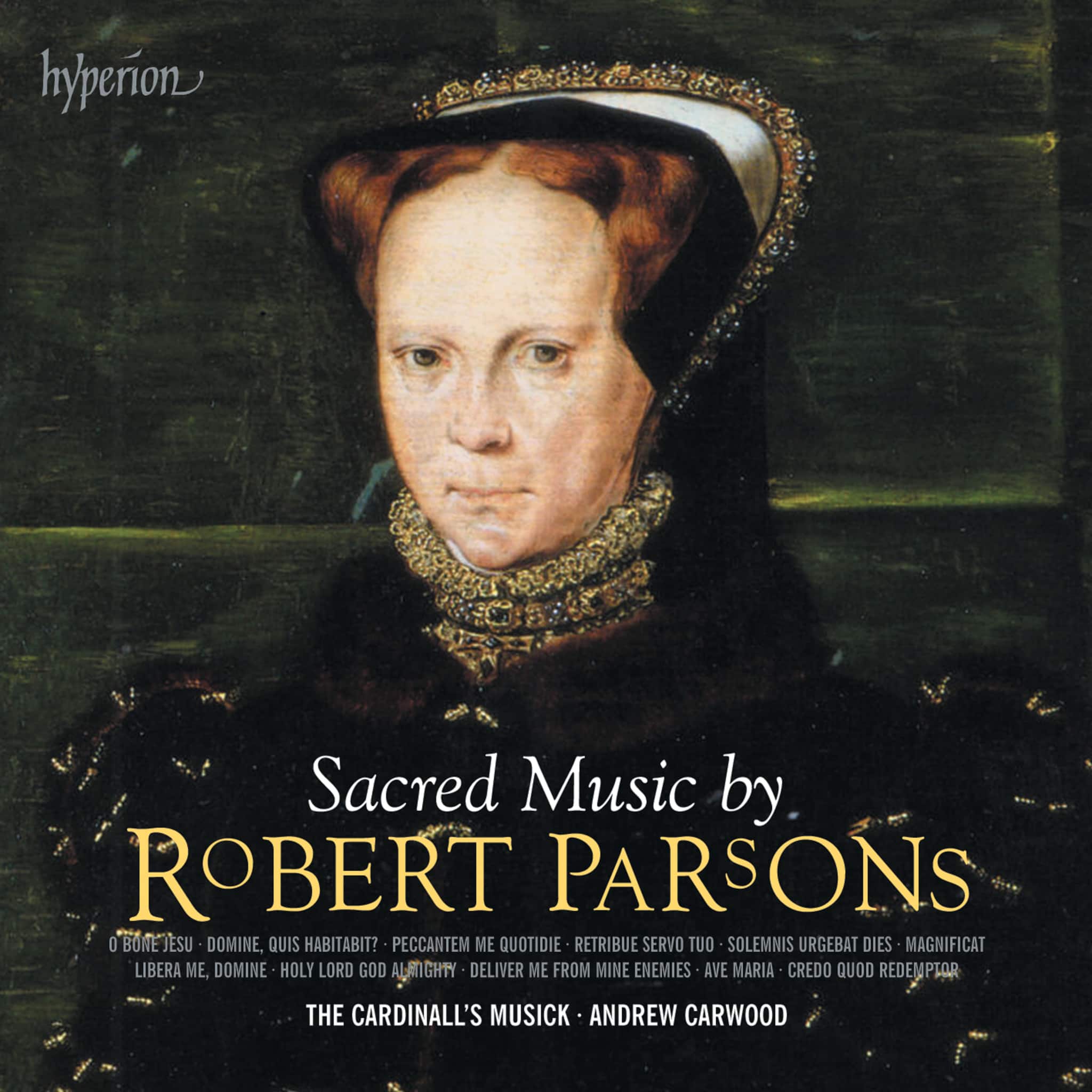


Für Wissenschaftler der frühen Musikgeschichte stellt der Informationsmangel über Komponisten eine Herausforderung dar. Die Musik Englands aus dem 16. Jahrhundert ist größtenteils nicht erhalten geblieben. Robert Parsons' mysteriöser Tod verleiht ihm eine besondere Faszination im Vergleich zu anderen Komponisten seiner Zeit.
In einer Abrechnung von 1560/61 erscheint Parsons erstmals mit Zahlungsvermerken an Richard Bower, bevor er später zum Gentleman der Chapel Royal berufen wurde. Sein Ableben in Newark im Januar 1572 bleibt bis heute geheimnisvoll.
Parsons schuf seine Kompositionen während einer besonders turbulenten Periode des 16. Jahrhunderts, die von religiösen Umwälzungen geprägt war. Seine musikalische Begabung zeigt sich sowohl in lateinischen als auch englischen Werken. In seinen Magnificat-Vertonungen offenbart sich seine ausgefeilte Kompositionstechnik und sein dramatisches Gespür.
Ein bemerkenswerter Sinn für Symmetrie und Entwicklung kennzeichnet Parsons' Schaffen. Sein berühmtestes Werk, das Ave Maria, thematisiert religiöse Hoffnung. Seine Musikstücke spiegeln vermutlich auch seine eigenen religiösen Ansichten wider.