
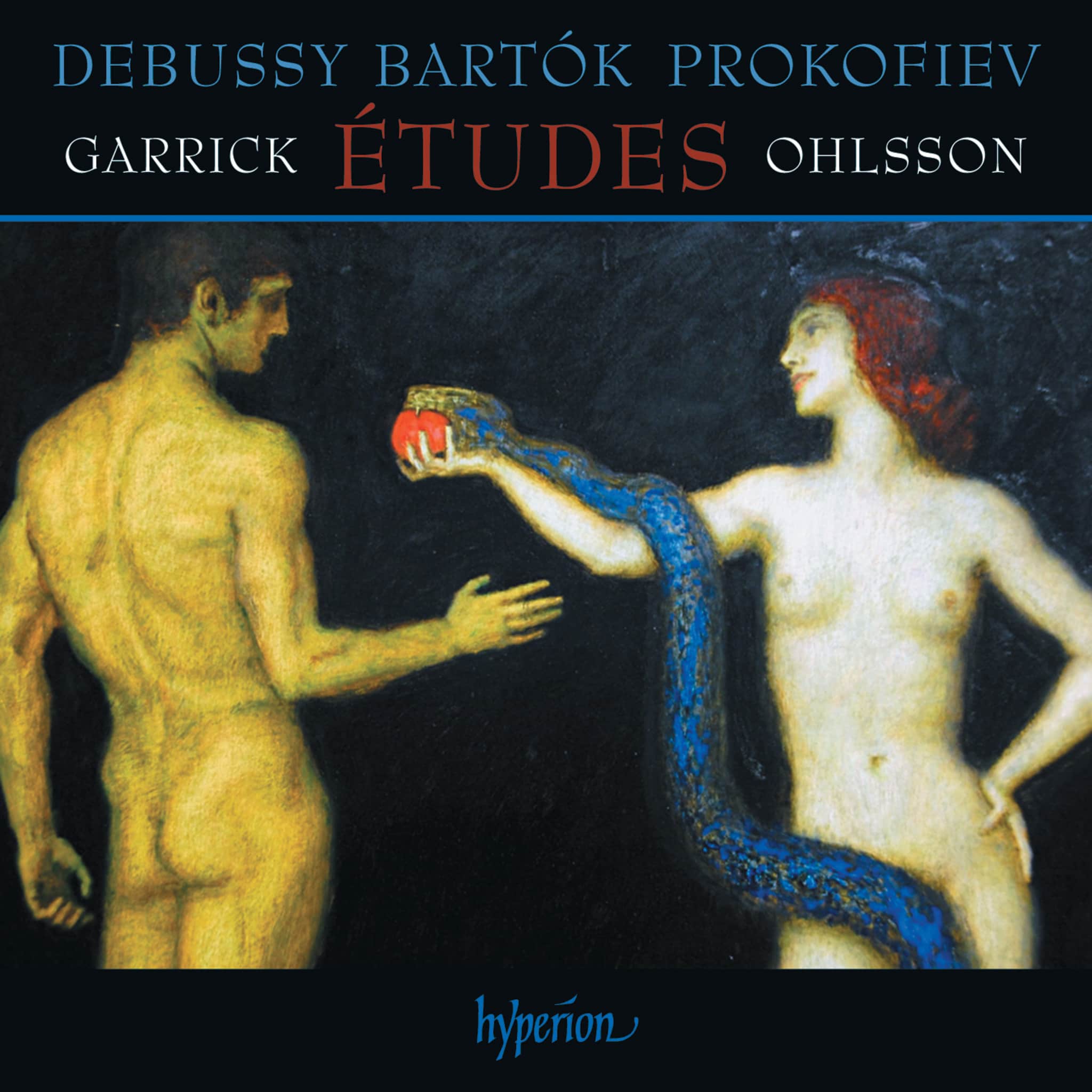
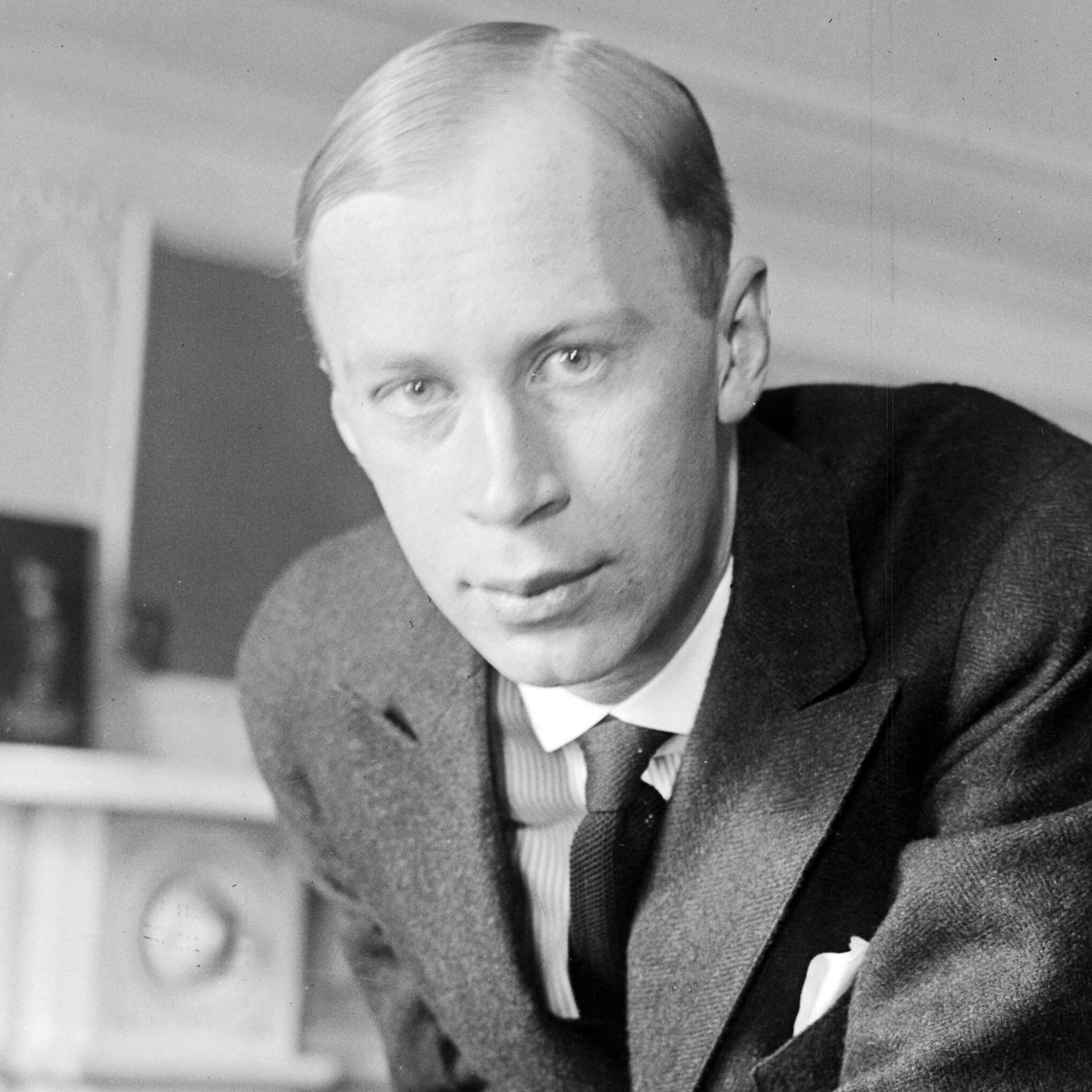


In 1913, Prokofiev embarked on his first trip outside Russia, visiting Paris and London, where he first encountered Sergei Diaghilev's Ballets Russes. The Russian composer, who would later work in the Soviet Union, had already made a name for himself, although his forward-thinking works often caused controversy.
After his father's death in 1910, Sergei lost his financial support. Fortunately, it was during this time that he began to establish a reputation. His musical development is clearly evident in his early works: The first Piano Sonata in F minor, Op. 1 (1909), contrasts with the four Piano Études, Op. 2, from the same year.
He composed his Piano Concerto No. 1 in D-flat major, Op. 10, between the summer of 1910 and February 1912, and premiered it on July 25 in Moscow. Other significant early works include the Sinfonietta in A major, Op. 5 (1909), the symphonic tableau "Dreams" for large orchestra, Op. 6 (1910), and the symphonic sketch "Autumn" for small symphony orchestra, Op. 8 (1910).
Prokofiev's creative period between 1911 and 1913 was particularly productive, with works such as the Toccata in C major for piano, Op. 11 (1912), Ten Pieces for Piano, Op. 12 (1913), the opera Maddalena in one act, Op. 13 (1911/1913), and the Piano Concerto No. 2 in G minor, Op. 16 (1913). His Piano Sonata No. 2 in D minor, Op. 14 (1912), demonstrates the further development of his characteristic style.