Stanford's remarkably extensive repertoire of chamber music underscores his deep appreciation for this genre. He was particularly fascinated by the close connection between the performers and the intellectual demands of this format. During his time in Leipzig, he composed his first significant chamber work, a Piano Trio in G major, which was later performed at a concert of the Cambridge University Musical Society. Chamber music, in particular, offered young composers the opportunity to present their pieces without relying on a large orchestra. Thanks to his pianistic abilities, Stanford was often able to perform his own works.
After his time in Germany, Stanford returned to Cambridge brimming with inspiration, where he dedicated himself to new projects such as his First Symphony and various sonatas. These compositions, published in Germany, ushered in a period of heightened self-confidence as an artist. His works garnered considerable attention from renowned musicians, which significantly enhanced his reputation. His Piano Quartet No. 1 in F major, which he dedicated to Ernst Frank, attracted particular attention and motivated him to turn his attention to the demanding genre of the piano quintet.
Throughout his career, Stanford composed not only operas, symphonies, and songs, but also a wealth of significant chamber music. His acclaim grew both nationally and internationally, not least through his work as a conductor. He dedicated his Piano Quintet in D minor to his mentor, Joseph Joachim, as a token of his deep appreciation. After an initial, informal performance, the work was finally premiered under the auspices of the Cambridge University Musical Society and captivated audiences with its narrative power and melodic inspiration.
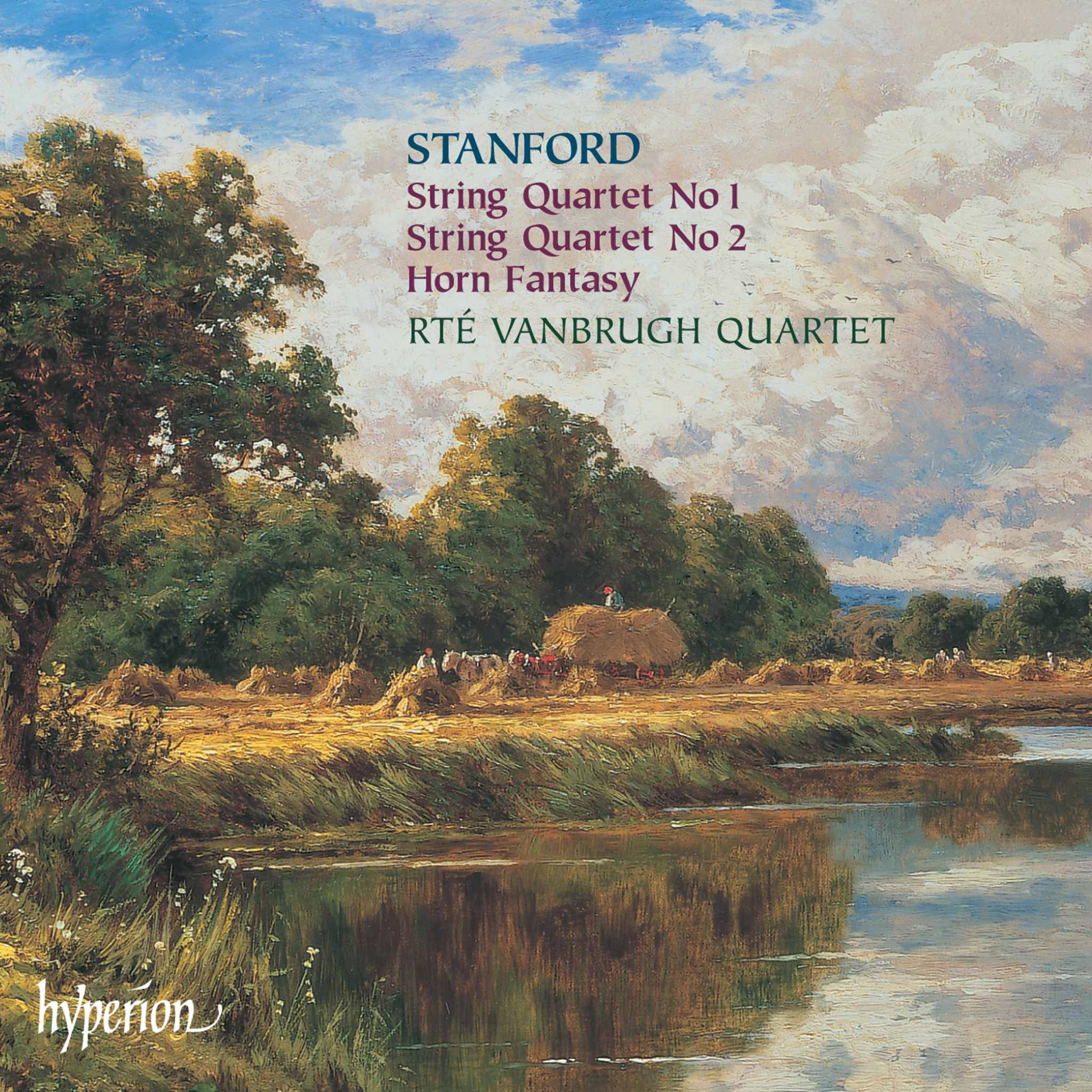
Stanford's collection of chamber music continued to expand, with the addition of further piano trios, cello sonatas, and string quartets. His Joachim-inspired string quintets were also performed by leading ensembles. His continuous creative development was characterized by melodic refinement and artistic innovation.


