Franz Joseph Haydn wurde am 31. März 1732 im niederösterreichischen Rohrau geboren. Als er am 31. Mai 1809 im Alter von 77 Jahren in Gumpendorf bei Wien starb, hatte er die abendländische Musik tiefgreifender verändert, als irgendein Komponist vor oder nach ihm und er konnte auf eine der glückhaftesten Künstlerexistenzen, von denen wir wissen, zurückblicken.
„Ich war von der Welt abgesondert, niemand in meiner Nähe konnte mich an mir selbst irremachen und quälen, und so musste ich original werden." Will man Haydns Genie angemessen würdigen, so muss man sich anhand seines berühmtesten Zitats vor Augen führen, was „original werden" für ihn bedeutete. Denn ein großer Anteil der heute für selbstverständlich genommenen Ingredienzien der Wiener Klassik, die Sinfonie, das Streichquartett, die Klaviersonate, das Oratorium oder die Sonatenhauptsatzform sind Joseph Haydns Schöpfungen oder Ideen. Ohne Haydns Lebensleistung würde also die Musik Mozarts, Beethovens, Schuberts, Brahms oder Bruckners niemals in der Form komponiert worden sein, wie wir sie kennen und lieben.
Konzerte und Opern von Joseph Haydn Auf STAGE+ ansehen
Joseph Haydn kam als Sohn eines Stellmachers zur Welt. Seines Eltern konnten zwar keine Noten lesen, aber die Familie liebte die Musik, wovon auch die späteren Karrieren seiner Brüder Michael (Komponist) und Johann Evangelist (Tenor) zeugen. Haydns musikalische Begabung wurde früh erkannt und bereits im Alter von fünf Jahren kam er zu Verwandten nach Hainburg an der Donau, um dort als Chorsänger ausgebildet zu werden. Zwei Jahre später wurde er von Georg von Reutter, dem musikalischen Direktor des Wiener Stephansdoms, „entdeckt". Reutter nahm das Kind mit nach Wien, wo Joseph während der nächsten sieben Jahre Chorsänger war, an verschiedenen Instrumenten ausgebildet wurde und zu komponieren begann. Ab 1749 war es für Haydn mit den hohen Stimmlagen vorbei. Während der nächsten zehn Jahre, den beschwerlichsten in seinem Leben, versuchte er, sich als freier Musiker zu etablieren und sich, größteneils autark, zum Komponisten heranzubilden. Unter anderem fungierte er bei dem seinerzeit berühmten Tonsetzer Niccola Porpora als Kammerdiener und Reisecompagnon und war gleichzeitig auch dessen Schüler. Seine erste Sinfonie, die erste von insgesamt 104 (streng genommen 108, denn die Sinfonien Nr. 22, 53 und 63 existieren in zwei Fassungen, zur Sinfonie Nr. 103 hat Haydn ein alternatives Ende komponiert), ist auf das Jahr 1757 datiert.
Wahrscheinlich im selben Jahr erhielt Haydn seine erste wichtige Anstellung, am Hof des Grafen Karl von Morzin auf Schloss Lukavec bei Pilsen. Dort leitete er ein kleines Orchester, für das er seine frühesten Sinfonien komponierte. Aufgrund finanzieller Schwierigkeiten mußte Graf Morzin wenig später seinen Orchesterbetrieb aufgeben, aber Haydn erhielt schnell ein ähliches Stellungsangebot: Im Jahr 1761 trat er als Vizekapellmeister dem Hofstab einer der mächtigsten Persönlichkeiten der gesamten Donaumonarchie, des Fürsten Esterházy, bei.
In den Diensten der hochkultivierten und sehr wohlhabenden ungarischen Fürstenfamilie Esterházy, die Haydns Arbeit und die Musik im Allgemeinen sehr schätzte und förderte, sollte Haydn den größten Teil seiner Karriere, von 1761 bis 1790, verbringen. 1766, nach dem Tod des bisherigen Hofkapellmeisters, stieg er selbst in diese Position auf. Die Verpflichtungen eines Hofkapellmeisters an einem derart exponierten Hof brachten ein enormes Aufgabenpensum mit sich. Auf den drei Stammsitzen der Familie war Haydn sowohl als Komponist wie auch als ausführender Musiker zuständig für die Leitung des ständigen Orchesters, für kammermusikalische Soiréen sowie den allsommerlichen Opernbetrieb, was auch das Neu-Arrangieren und Komponieren von Opern mit einschloß. Für praktisch nahtlos aufeinander folgende Anlässe hatte er eine riesige Anzahl von Auftragswerken zu liefern, was ihn aber keineswegs bedrückte, sondern, im Gegenteil, befeuerte und, zahlreiche Quelllen belegen dies, mit Glück erfüllte. Da seine Musik ständig bekannter und populärer wurde, komponierte er, neben seinen höfischen Verpflichtungen, für zahlreiche andere Auftraggeber bald fast ebensoviel, wie für seinen Hausherren. Bedeutende Kompositionsaufträge, etwa für die Pariser Sinfonien (1785–86), oder die ursprüngliche Orchesterfassung der Sieben letzten Worte unseres Erlösers am Kreuze (1786) kamen aus dem Ausland.
Etwa ab 1781 verband Haydn eine innige Freundschaft mit Wolfgang Amadeus Mozart, an dessen Werdegang er leidenschaftlichen Anteil nahm und den er maßgeblich beeinflußte. 1785 erklärte er bei einem Besuch der Familie in Wien Mozarts Vater Leopold seine Einschätzung des jungen Genius mit den bis heute berühmten Worten: „Ich sage Ihnen vor Gott, als ein ehrlicher Mann, Ihr Sohn ist der größte Componist, den ich von Person und dem Namen nach kenne; er hat Geschmack, und überdieß die größte Compositionswissenschaft." Mozart und Haydn genossen es, gemeinsam Kammermusik zu machen und trieben sich gegenseitig zu kompositorischen Höchstleistungen an, vor allem in der Gattung des Streichquartetts. Neben der Musik verband die beiden Männer auch ihre Zugehörigkeit zum Freimaurertum. Haydn gehörte ab 1785 der Loge Zur wahren Eintracht an, in der auch Mozart, neben seiner Mitgliedschaft in der Loge Zur Wohltätigkeit, Geselle war.
Beeinflußt hat Haydn auch Ludwig van Beethovens Entwicklung. Ab 1792 teilte er sich mit Antonio Salieri die Rolle als Beethovens Kompositionslehrer. Beethoven widmete ihm seine ersten drei Klaviersonaten op. 2.
Stilistisch hat sich Joseph Haydns Musik während der dreißig Jahre in den Diensten der Esterházys kontinuierlich zu immer komplexeren, freieren und teilweise auch gewagten Formen weiterentwickelt. Ohne Frage war er ein Künstler von der Art, die immer weiter experimentieren und dazulernen will, was auch die enorme Anziehungskraft, die seine Persönlichkeit auf jüngere Komponisten hatte, erklärt.
Das Jahr 1790 stellt eine gewaltige Zäsur in Haydns Leben dar, die allerdings wiederum eine sehr positive Entwicklung nach sich ziehen sollte. Fürst Nikolaus I. von Esterházy starb und sein Nachfolger, Fürst Anton, der sich allerdings auch mit dem gigantischen Schuldenberg seines Vaters herumschlagen mußte, hatte weit weniger Interesse an der Musik und löste die gesamte Hofmusik auf.
Mit 58 Jahren fand sich Haydn ziemlich unvermittelt als freier Musiker wieder. Er folgte schließlich einem Ruf nach England, wo seine Sinfonien, die er dort mit großem Orchester aufführen konnte, auf gewaltige Resonanz stießen. Mehrmals reiste Haydn bis 1795 nach London, jeweils mit überwältigenden Erfolgen, die ihm großen Ruhm und ein beachtliches Vermögen einbrachten.
1793 erwarb Haydn ein großes Haus mit Garten in Gumpendorf, damals ein Vorort, heute ein Teil Wiens. Dort wandte er sich verstärkt der Komposition großer geistlicher Werke zu. Seine letzte Englandreise, auf der er einige der berühmtesten Werke Georg Friedrich Händels hörte, inspirierte ihn zur Komposition seiner großen Oratorien Die Schöpfung und Die Jahreszeiten. Beide Werke, sowie sechs weitere Messen, entstanden erneut im Auftrag der Familie Esterházy, die seit 1794 wieder von einem musikalischeren Oberhaupt, Fürst Nikolaus II., geführt wurde.
Die Uraufführung der Jahreszeiten und die drei letzten Streichquartette, das Kaiserquartett, das Quintenquartett und Der Sonnenaufgang, markieren das Ende von Haydns glanzvollem Weg. Ab 1802 sieht er sich aufgrund seines schlechten körperlichen Zustands nicht mehr in der Lage zu komponieren, obgleich er trotz fortgeschrittenen Alters noch immer voller Antriebskraft ist. „Wieviel bleibt noch zu tun in dieser herrlichen Kunst" schreibt er in einem berühmt gewordenen Brief.
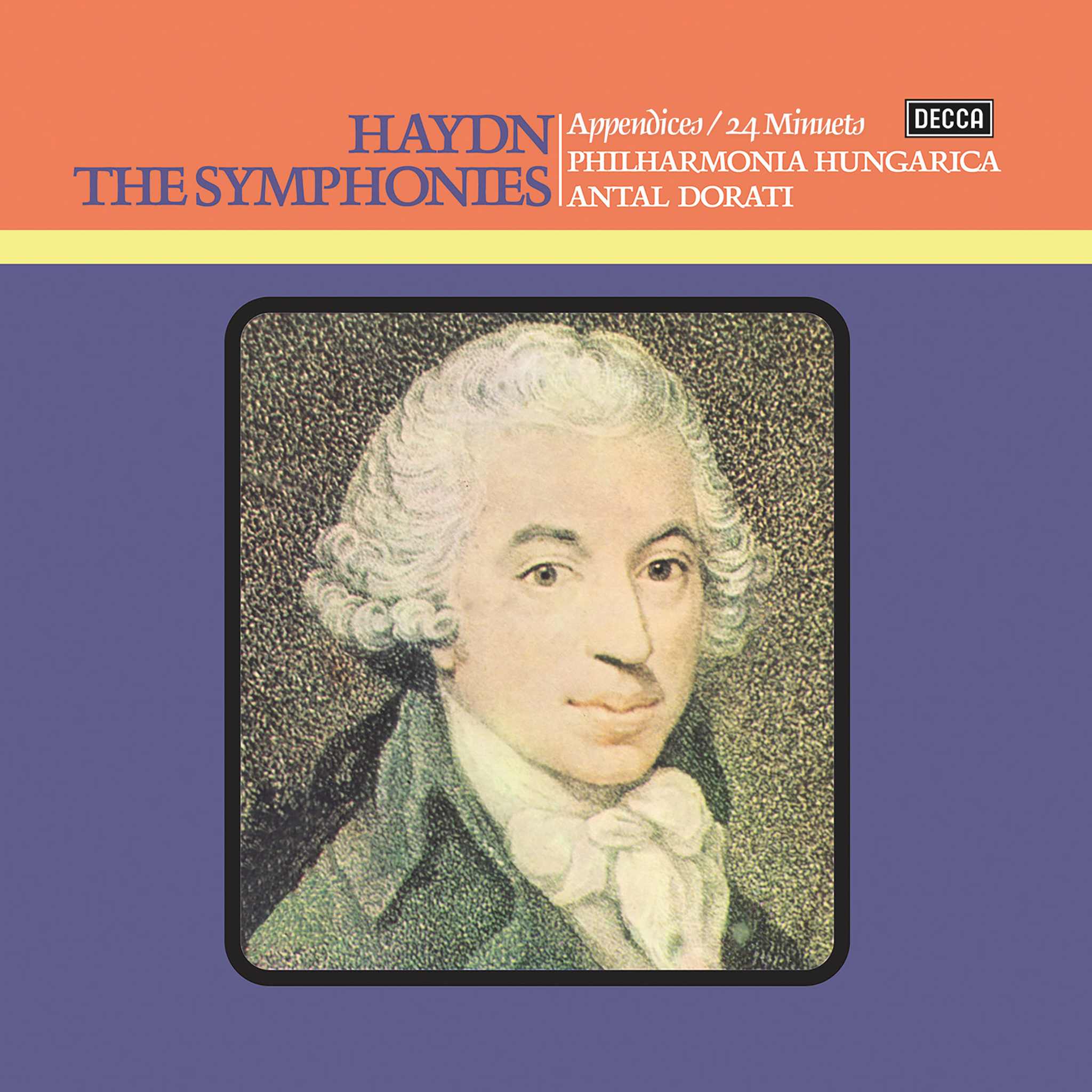
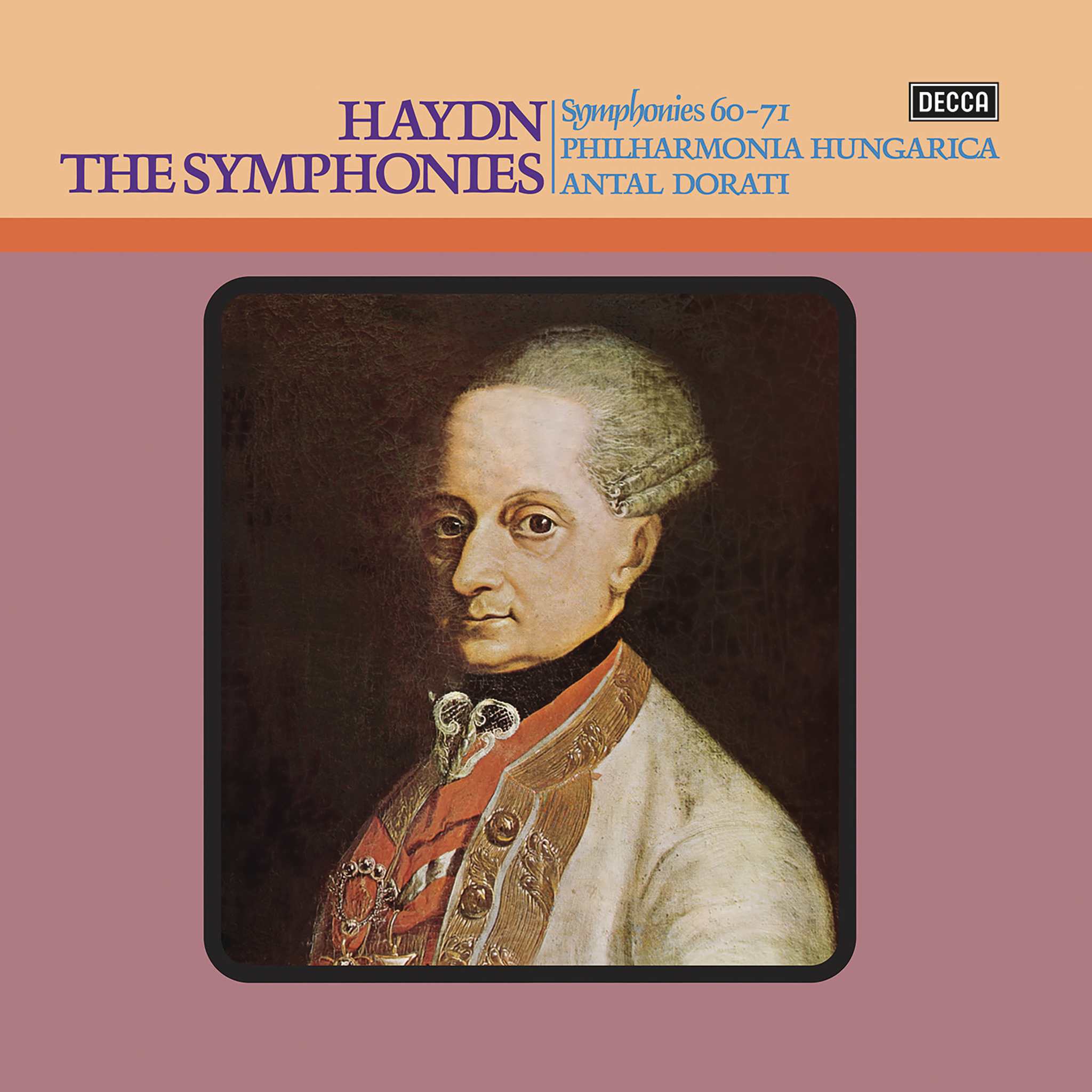
Zahlreiche, voneinander unabhängige Quellen beschreiben Joseph Haydn als einen kleinen, liebenswürdigen und geselligen Mann, der mit sich und der Welt im Reinen war. Er galt als gutherzig, großzügig und optimistisch, und war überall beliebt für seinen recht derben, auch häufig in seinen Kompositionen zum Ausdruck kommenden Humor: Haydn schreckte etwa nicht davor zurück, in einem Konzert plötzlich sämtliche Musiker durcheinander spielen zu lassen, um das Publikum zu erschrecken. Von seinem Antlitz ist uns kein einziges glaubhaftes Bild überliefert. Da alle Portraitmaler seines Lebens ein unvorteilhaftes, vernarbtes Äußeres zu kaschieren suchten, gleicht keines seiner Portraits dem anderen.
108 Sinfonien, 52 Klaviersonaten, 83 Streichquartette, 46 Klaviertrios, 14 Messen, 6 Oratorien, 24 Opern und die deutsche Nationalhymne bilden den Kern von Joseph Haydns gigantischem Œuvre. Die Hymne der Deutschen ist eigentlich das Thema des langsamen Satzes aus Haydns Streichquartett in C-Dur op.76 Nr. 3, dem Kaiserquartett von 1797. Im selben Jahr hatte Haydn dieses Thema für das Lied Gott erhalte Franz den Kaiser komponiert und später in dem Streichquartett variiert.
Am 27. März 1808 erscheint Joseph Haydn bei einer Aufführung der Schöpfung, an der auch Ludwig van Beethoven teilnimmt, zum letzten Mal in der Öffentlichkeit. Am 31. Mai, 18 Tage nach der Besetzung Wiens durch die Truppen Napoleons, stirbt er an allgemeiner Entkräftung.