Skip to content
Liszt & Thalberg: Opera Transcriptions & Fantasies

Liszt & Thalberg: Opera Transcriptions & Fantasies

Marc-André Hamelin

Duration76 Min

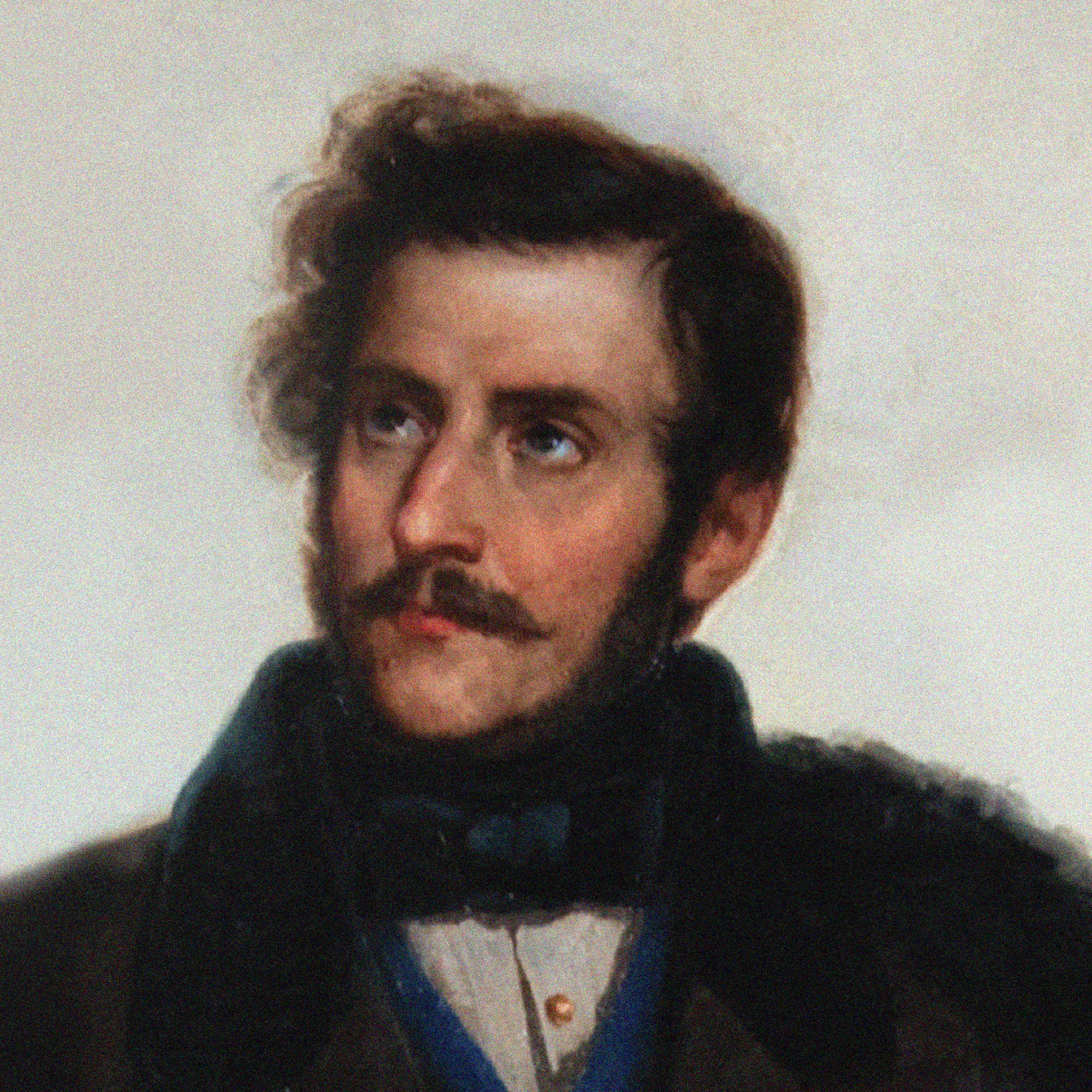
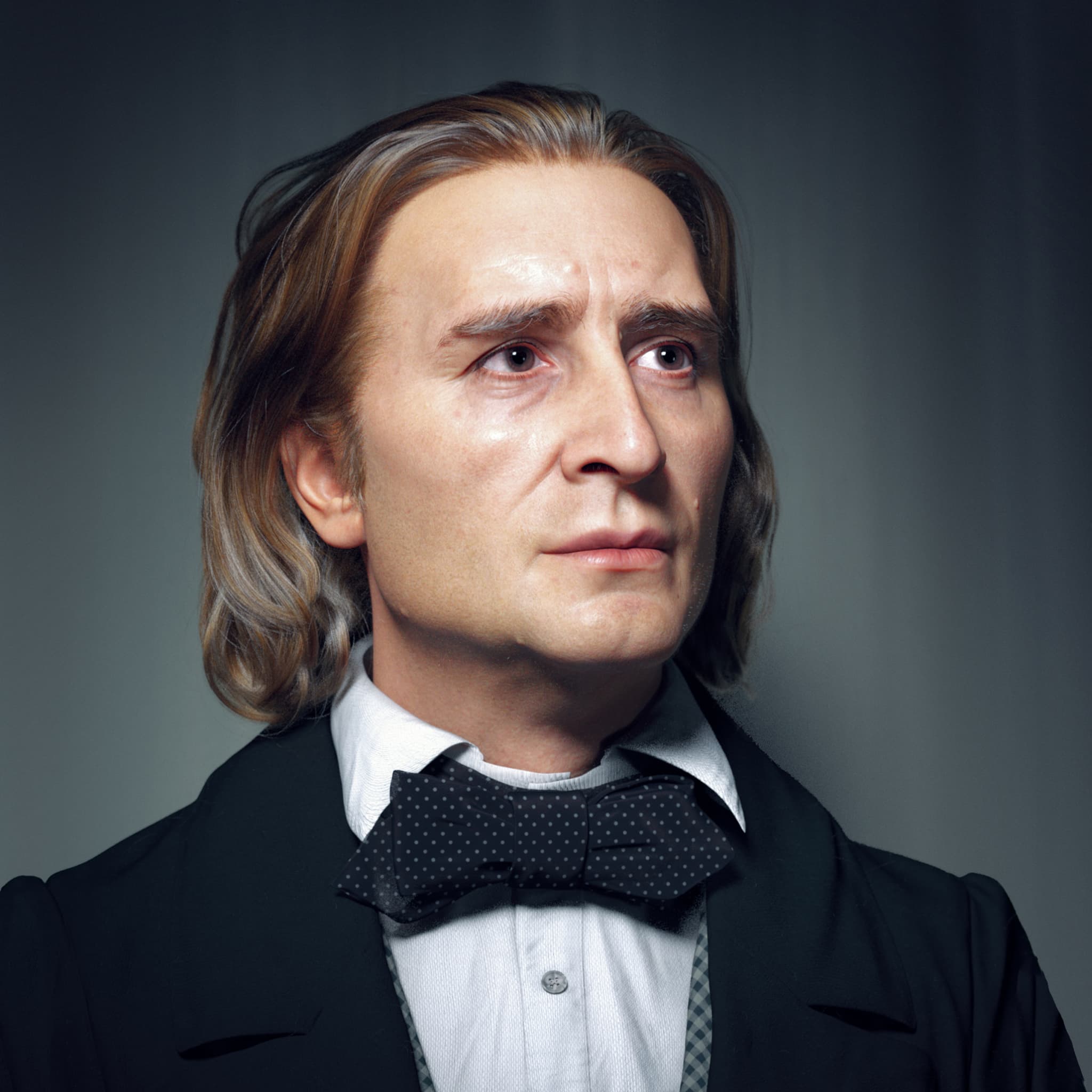
In 1837, what is arguably the most famous piano duel in music history took place in Paris between Franz Liszt and Sigismund Thalberg. The invitation to this contest came from Princess Cristina Belgiojoso, whose differing opinions of the two pianists continue to spark debate. While Liszt impressed with his power and passionate interpretation, Thalberg's artistic influence has often been underestimated, even though he was highly regarded by contemporaries such as Mendelssohn and Clara Schumann.[2][3]

The encounter between the two virtuosos was more than a mere competition: it revealed the subtle differences in their musical approaches. Thalberg, the younger of the two, would later achieve significant success, including extensive tours of North America and Brazil. Public interest in their duel was enormous, and the rivalry was further fueled by the media and critics.

The relationship between Liszt and Thalberg was characterized by fluctuating emotions—from initial disdain to mutual appreciation. The Hexaméron project, initiated by Belgiojoso, reflected the versatility of the pianists: Thalberg's technical brilliance contrasted with Liszt's imaginative expressiveness. Liszt, who first performed the Hexaméron, drew inspiration from the diverse styles of the participants, leading to new artistic ideas.

The Parisian piano scene of this era was decisively shaped by the unique abilities of musicians like Liszt and Thalberg. Liszt's innovative approach and Thalberg's classical elegance set new standards and placed stylistic contrasts in a fresh context. Despite their rivalry, the two pianists shared a mutual respect, reflected in the diversity and virtuosity of their works. Liszt's powerful interpretations, as well as Thalberg's flawless precision, left a lasting mark on music history.