
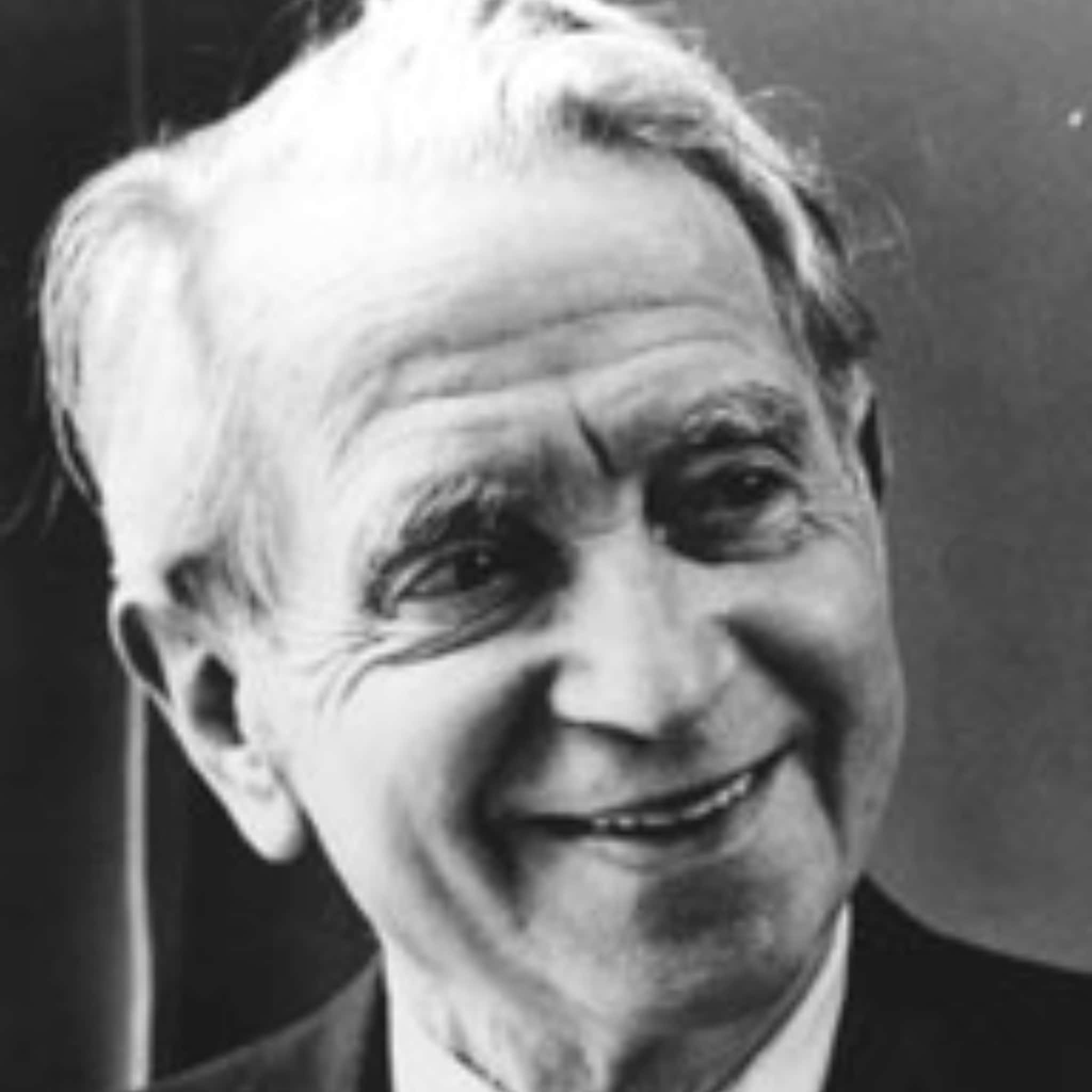




Herbert Howells (1892–1983) bleibt eine rätselhafte Gestalt in der englischen Musik des 20. Jahrhunderts. Aus dem kleinen Ort Lydney in Gloucestershire stammend, zeigte er schon früh musikalisches Talent und wurde zunächst von Herbert Brewer an der Kathedrale von Gloucester unterrichtet, bevor er am Royal College of Music bei Stanford und Charles Wood studierte[2][5]. In seinen Zwanzigern und Dreißigern widmete sich Howells vor allem der Kammermusik und Orchestermusik, darunter zwei Klavierkonzerte. Die negative Aufnahme seines zweiten Konzerts im Jahr 1925 führte jedoch dazu, dass er sich für mehrere Jahre weitgehend vom Komponieren zurückzog[3][5]. Der Tod seines Sohnes Michael im Jahr 1935 stellte einen tiefen Einschnitt dar und löste eine neue Schaffensphase aus, in der sich Howells verstärkt der geistlichen Musik zuwandte[3][5].
Obwohl Howells kein bekennender Christ war, wurde er insbesondere durch seine kirchenmusikalischen Werke bekannt, darunter das berühmte "Hymnus Paradisi", das nach Michaels Tod entstand, jedoch erst 1950 auf Drängen seines Freundes Ralph Vaughan Williams uraufgeführt wurde[3][5]. In diesem Werk verarbeitete Howells Teile eines zuvor komponierten, unbegleiteten Requiems, das später seinem Sohn gewidmet und erst 1981 veröffentlicht wurde[3].
Howells' Musik zeichnet sich durch spirituelle Tiefe aus und wird von Bibeltexten inspiriert. Im Laufe der Jahre entwickelte er eine unverwechselbare Handschrift in der anglikanischen Kirchenmusik und schuf zahlreiche Werke von hoher Qualität. Trotz persönlicher Schicksalsschläge und zeitweiliger Zurückgezogenheit von der Öffentlichkeit bleibt sein musikalisches Erbe prägend und inspirierend.