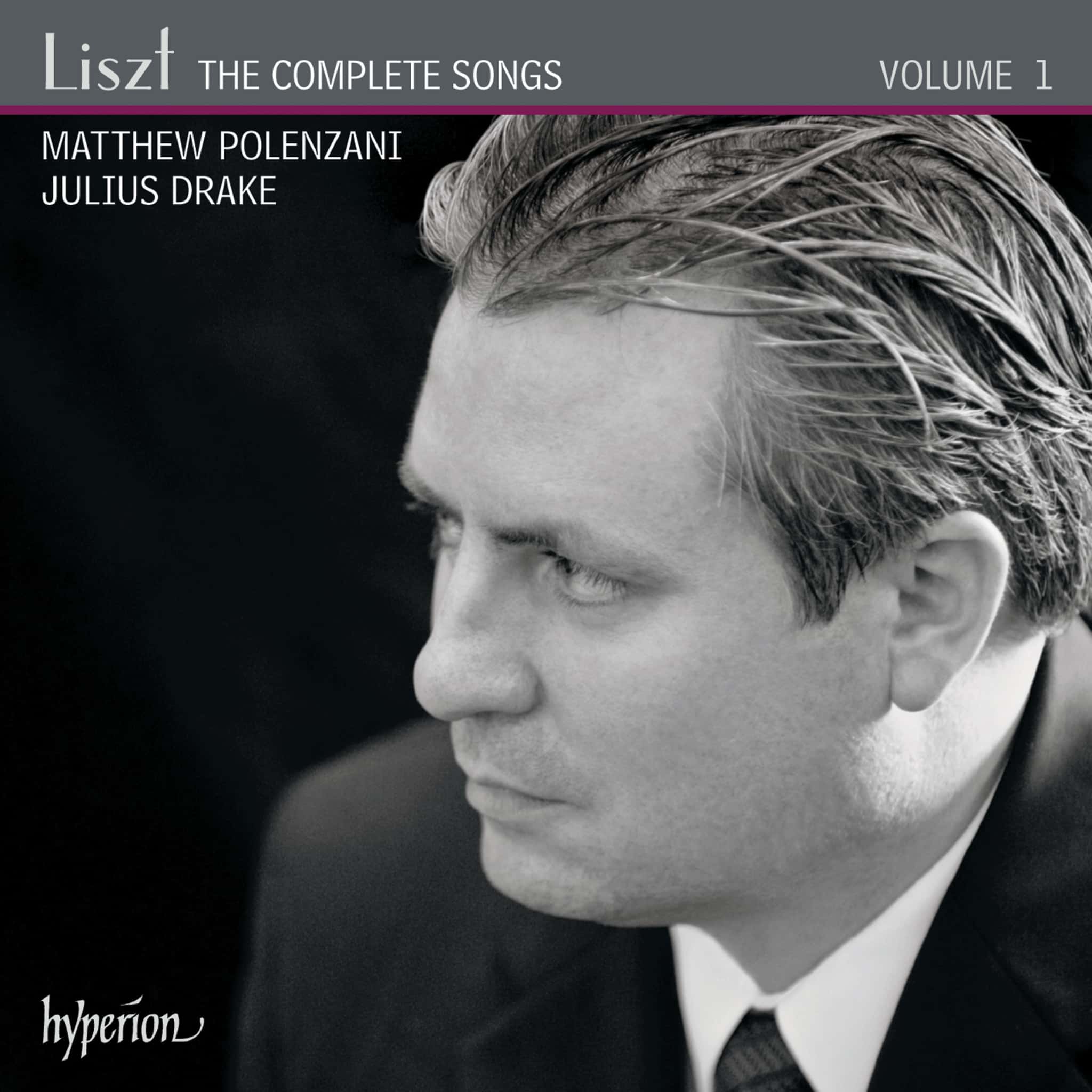
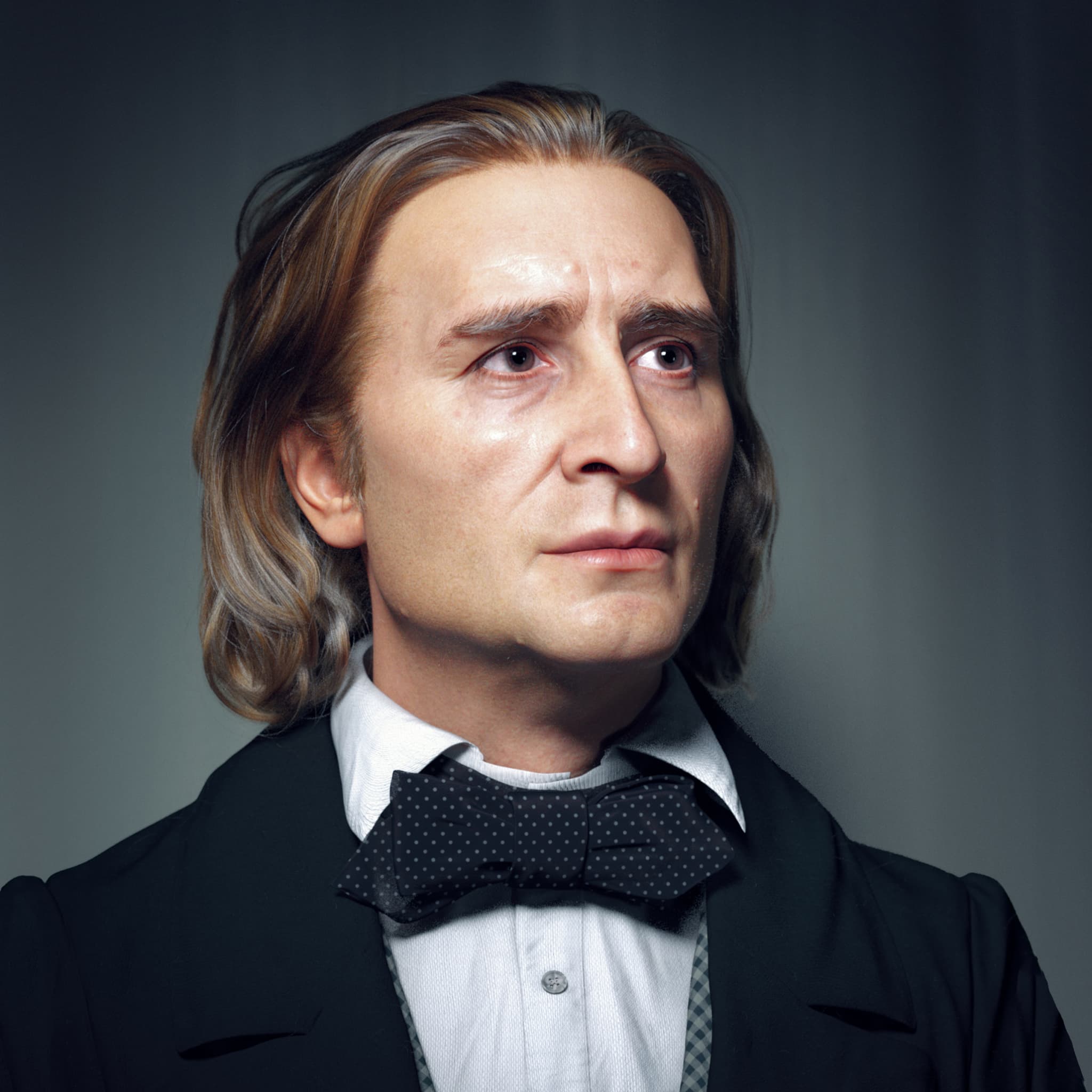
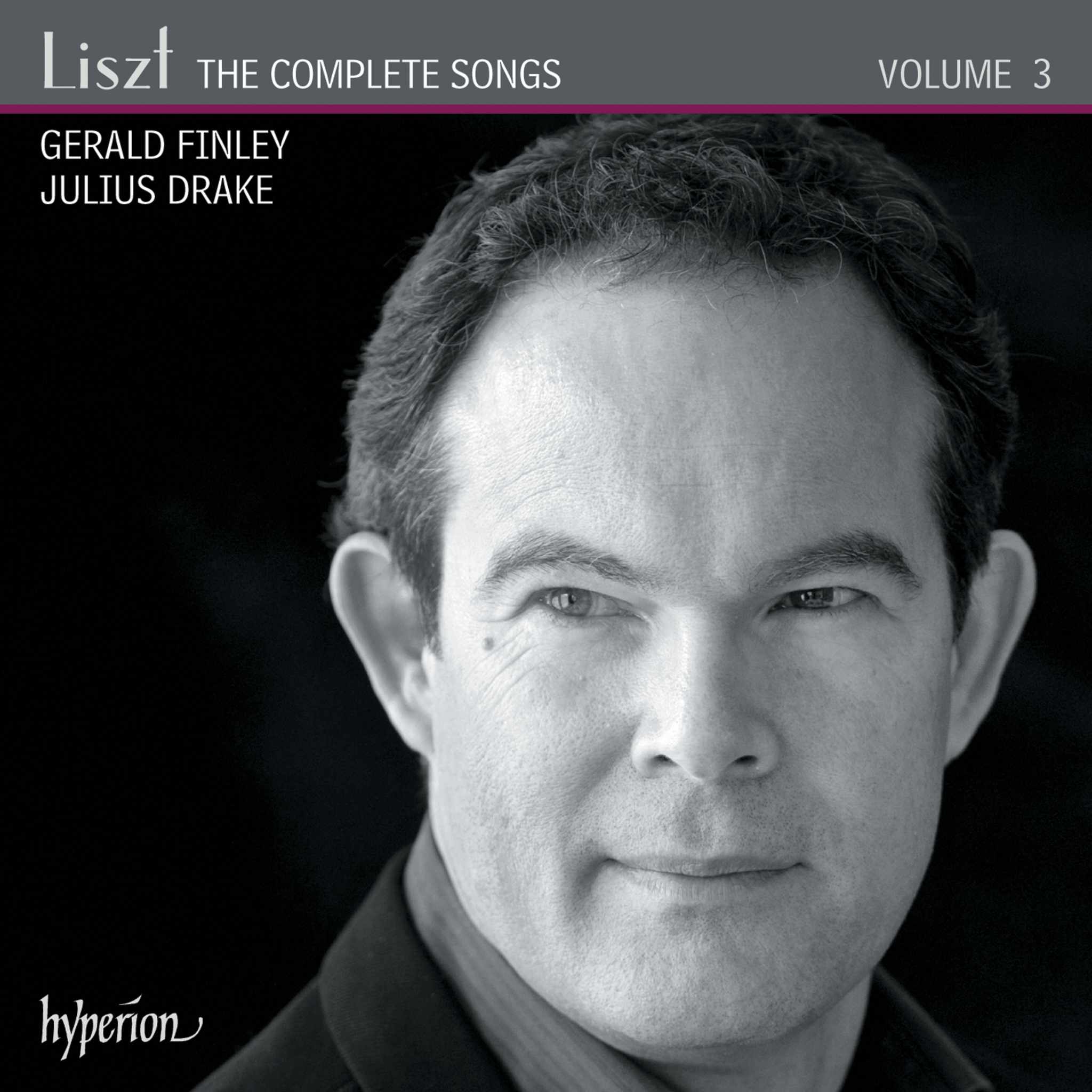
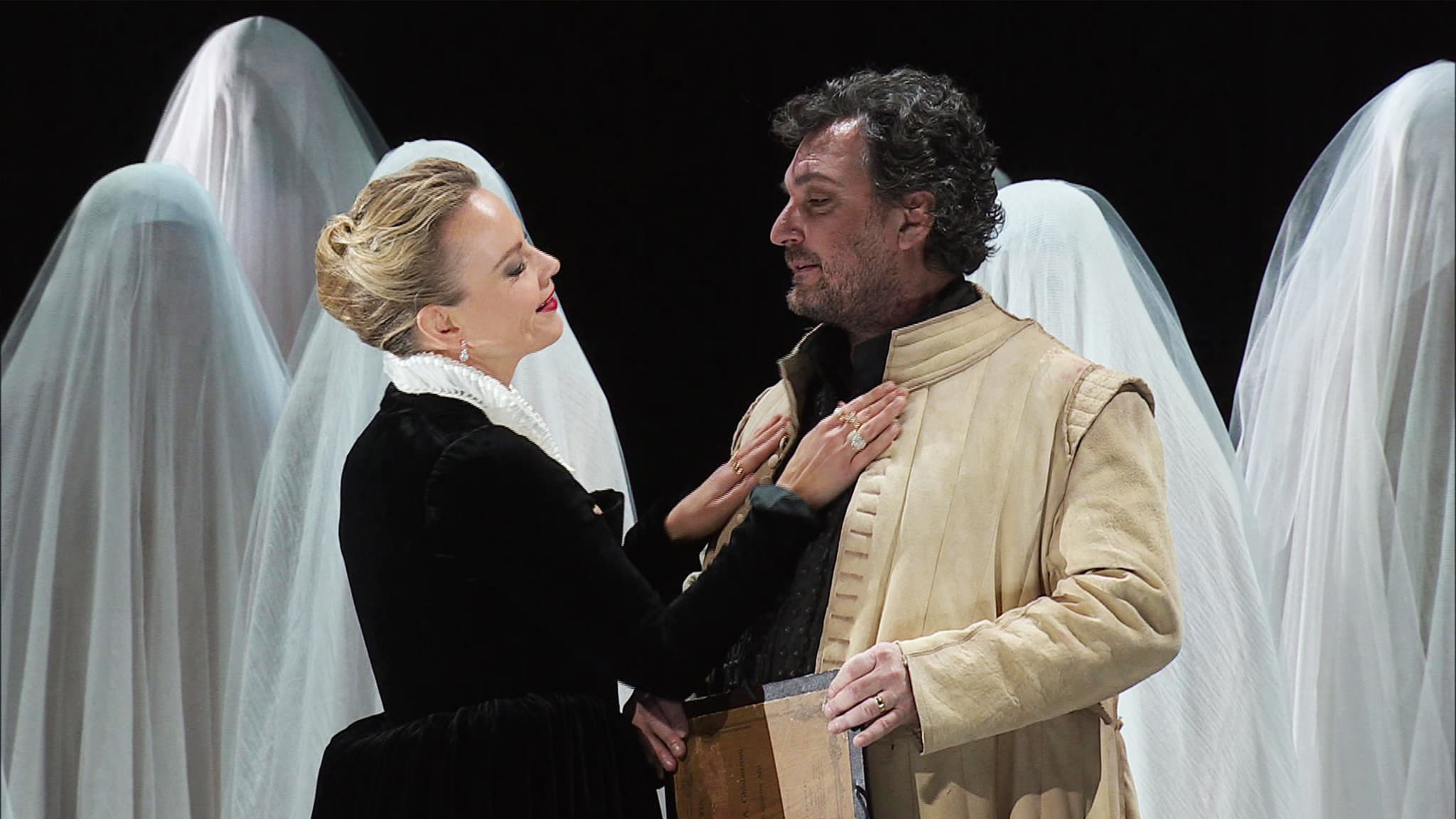
Franz Liszt once referred to his unfinished songs as "My Orphaned Songs," hoping to attract singers to perform them. For a long time, these songs were overshadowed by his more significant works, but today we have developed a deeper understanding of them. Collaborations with prominent singers of his time, such as the renowned tenor Adolphe Nourrit and the duo Feodor and Rosa von Milde, the first interpreters of Elsa and Telramund in Wagner's Lohengrin, marked Liszt's career. He used song as a testing ground for "music of the future" and created some of his most original works. Texts by renowned poets like Goethe and Schiller, but also by amateurs from the aristocracy, served as the basis for his compositions. Between 1838 and 1847, Liszt was constantly on concert tours, revolutionizing the art song genre and serving as inspiration for later composers such as Hugo Wolf, Rachmaninoff, and Richard Strauss. Liszt began his career transcribing Schubert's songs for piano before composing his first song in 1839. He later revised many pieces to perfect them. Many songs exist in different versions, as Liszt was always striving to advance the genre. His songs were characterized by his experimentation with new forms, harmonies, and tonalities. The publication history of his songs was varied, as they were distributed by different publishers. His works evolved over a long period and always reflected his musical development. Influences from poets such as Wilhelm Tell and Heinrich Heine shaped some of his most famous settings. Liszt created unique harmonies and dynamics in his songs that continue to fascinate musicians and listeners today.