







Max Richter
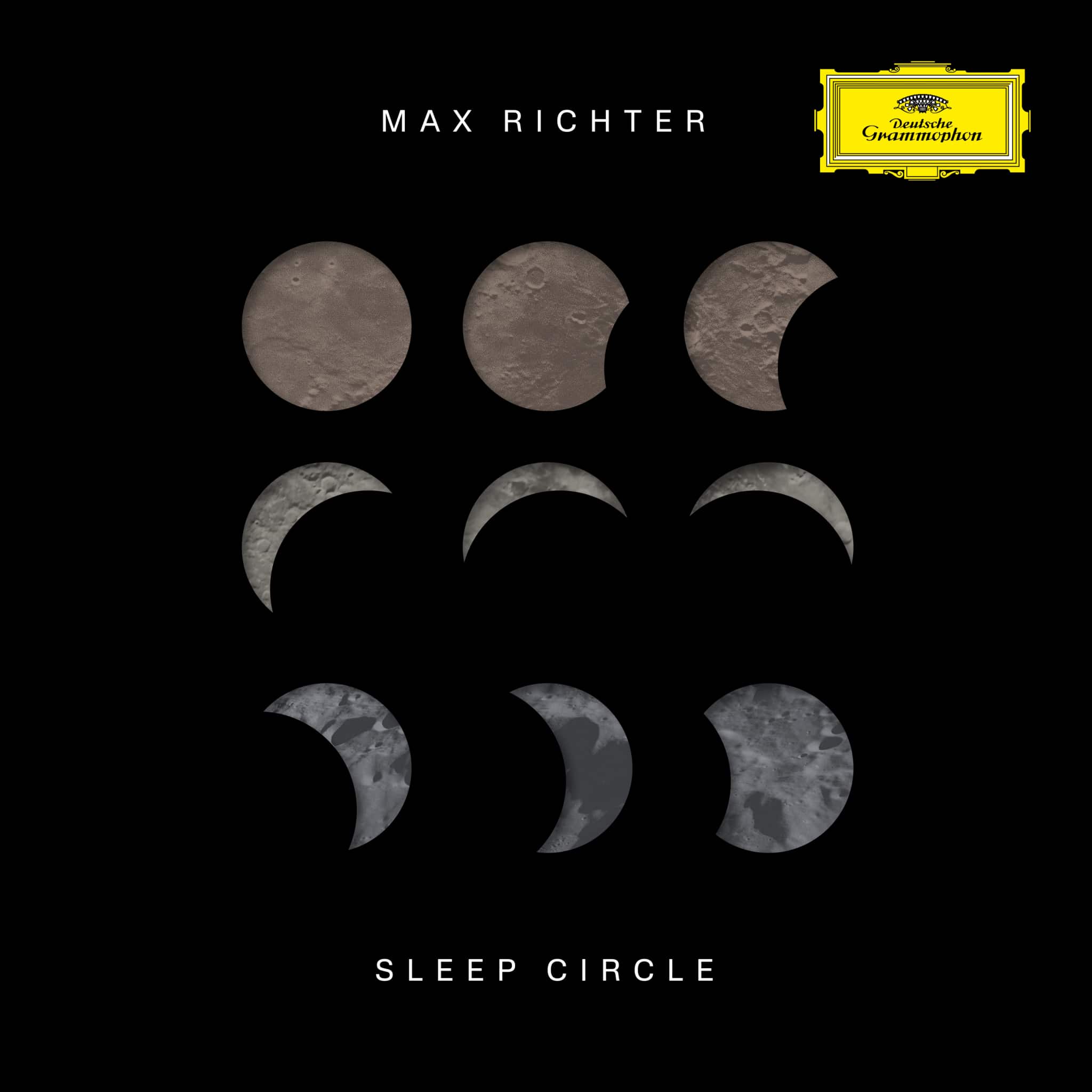
British composer Max Richter has created a monumental work with "SLEEP"—an eight-hour, single-movement piece of classical music. Conceived as a "lullaby for a frenetic world," it is designed to lull the listener to sleep. It is a musical experiment through which Richter explores how music can affect the brain when consciousness is at rest. For this composition, Richter consulted the renowned American neuroscientist David Eagleman to gain deeper insights into brain function during sleep. In its extraordinary length, the work follows in the tradition of composers such as John Cage, Terry Riley, and LaMonte Young. The idea of the lullaby draws on a centuries-old musical tradition, dating back to Bach's Goldberg Variations, which were composed for a count suffering from insomnia. "SLEEP" is conceived as a manifesto for slowing down everyday life: eight hours of musical accompaniment for the night and one hour for the day—a sonorous invitation to decelerate life.
SLEEP