
Albums


Appears On



Documentaries

AboutLudovico Einaudi

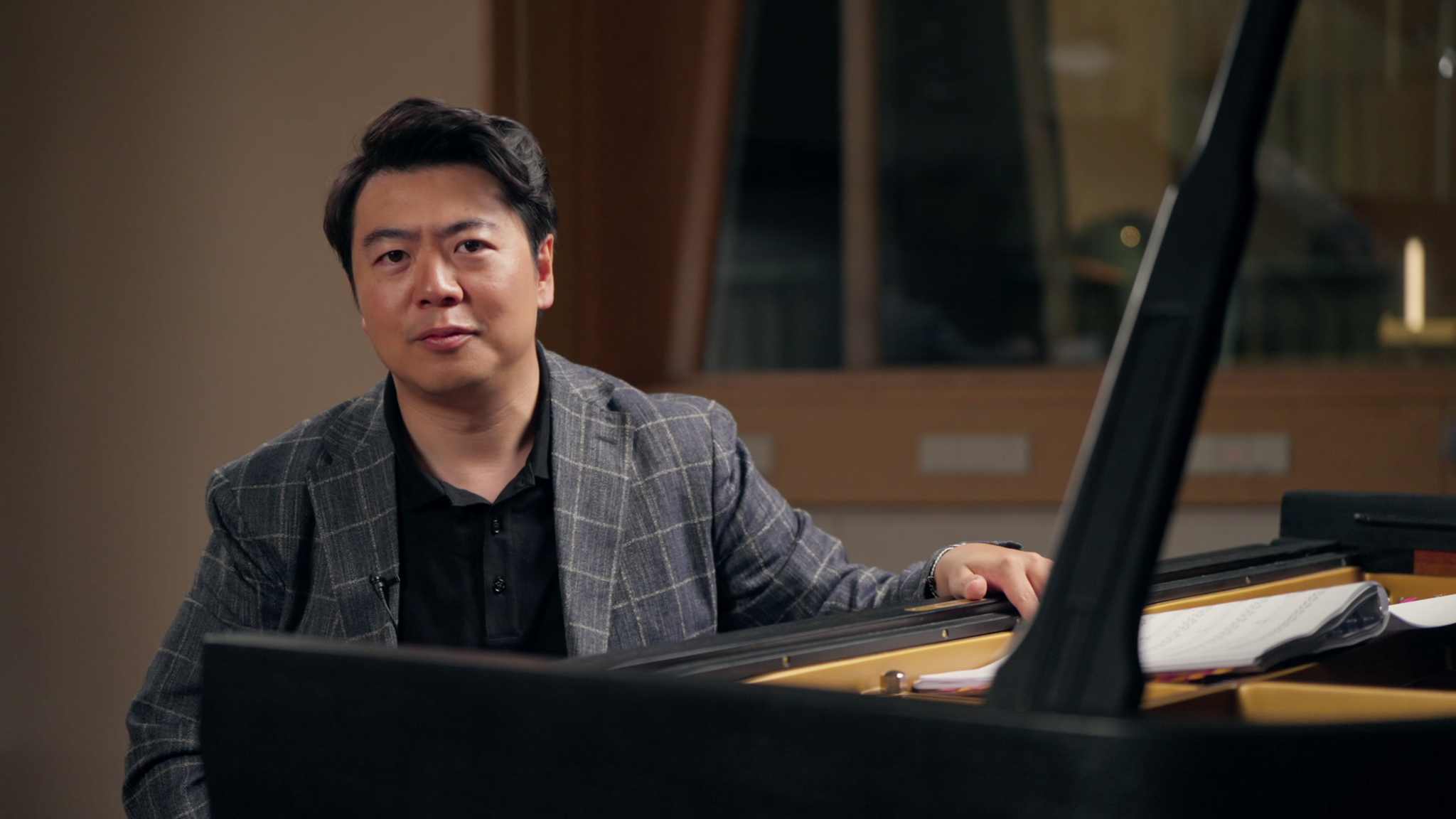
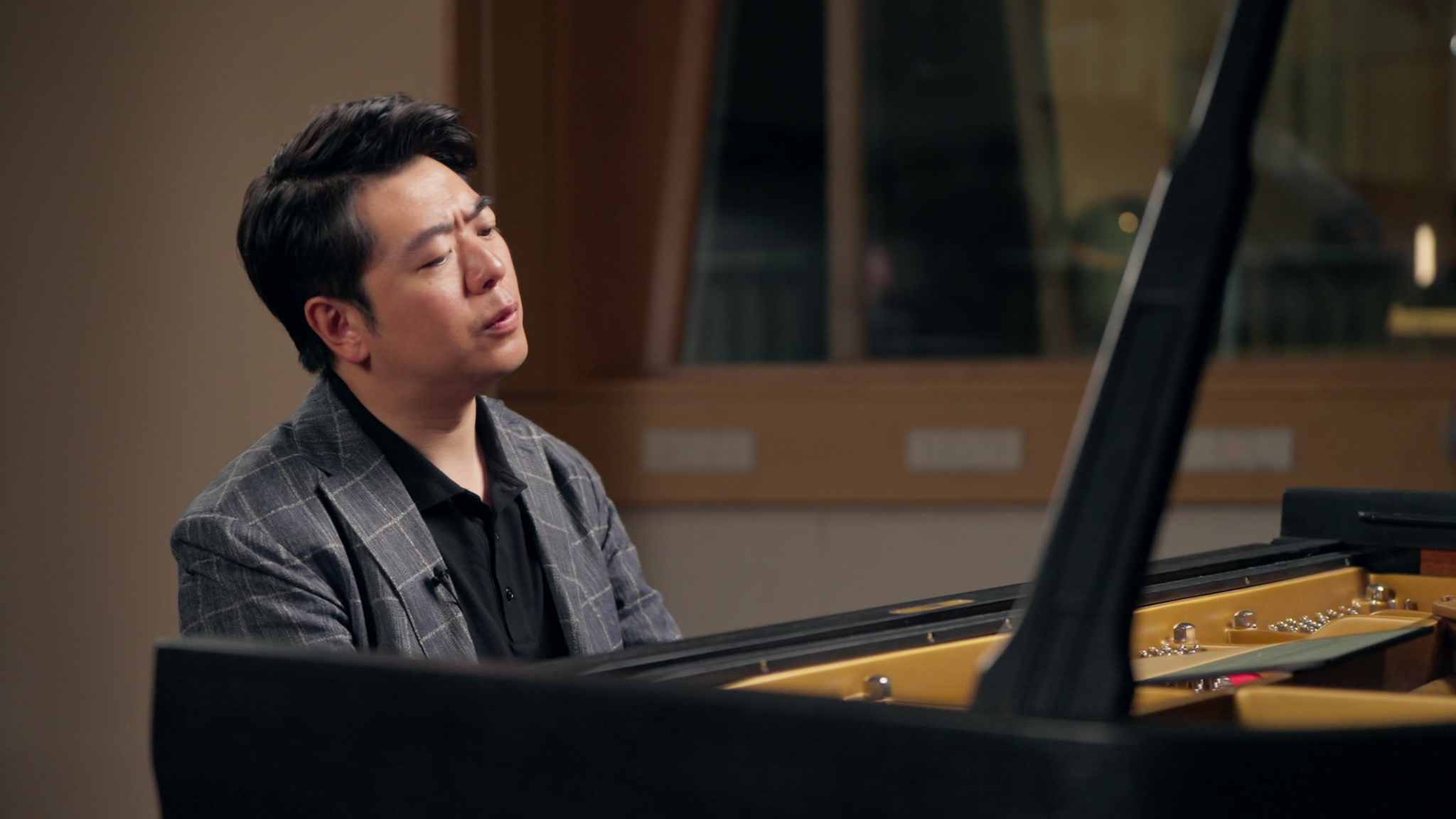
Radiant, soulful, lyrically light, and always perfectly precise: For over twenty years, Ludovico Einaudi's music and performances have captivated a steadily growing, incomparably diverse, and loyal audience. He has topped the charts with several of his albums, plays to sold-out venues in the world's most prestigious concert halls, has composed numerous award-winning film scores, and consistently achieves high popularity among internet users. With his unique blend of classical, rock, electronic, and world music elements, he has transcended conventional notions of genre boundaries and audience preferences – becoming not only one of the world's most renowned but also arguably most beloved composers of our time.
Ludovico Einaudi was born in Turin, Italy, and trained as a classical composer and pianist at the Milan Conservatory before becoming a student of Luciano Berio, one of the twentieth century's most important avant-garde composers. He began his career with a series of prestigious commissions, including for the American Tanglewood Festival, the Parisian Ircam Institute, and the Central Academy of Fine Arts in Beijing. However, he turned away from the prospect of a brilliant classical career and forged his own musical path, which allowed him to fuse a wider range of styles.
A daring strategy that soon paid off: When the BBC radio station first played the electro-harp suite 'Stanze' (1997), the listener phone lines almost crashed. It was similar with his next release, 'Le Onde' (1998), a solo piano cycle he performed himself. Thanks to a campaign organized by listeners, it became Einaudi's breakthrough and remained at the top of the UK Classic FM charts for a long time. Grassroots activities grew into an avalanche with the advent of the internet and social media, enabling Einaudi to forge a uniquely close relationship with his audience.
'Le Onde' also sparked his career as a film and television composer, and he has since created numerous award-winning soundtracks, including 'Doctor Zhivago' (2002) and 'Sotto Falso Nome' (2004), which were also successful as standalone albums. His compositions for Shane Meadows' acclaimed film 'This Is England' (2006) and the TV sequel 'This Is England '86' (2010) were nominated for a BAFTA Award and brought Einaudi's music to a very wide public. In 2011, his music accompanied another celebrated film: 'Intouchables' ('The Intouchables') by Olivier Nakache and Eric Toledano. The film was voted the cultural event of the year 2011 in France and was nominated for the 85th Academy Awards.
Building on the success of 'Le Onde', Einaudi released a series of remarkably experimental albums. 'Eden Roc' (1999) featured a spectrum of guest musicians and instruments ranging from electric guitar to Armenian duduk. 'I Giorni' (2001) deepened his exploration of world music in Einaudi's second collection of solo piano pieces. The 'Best of' sampler from the first four albums, 'Echoes: The Einaudi Collection' (2003), has since sold over 100,000 copies.
As Ludovico Einaudi's fame grew, so did his concert schedule, becoming an increasingly important part of his life. This soon led to two new albums: Diario Mali (2005), a collaborative project with kora virtuoso Ballaké Sissoko, and his first live solo album 'La Scala Concert: 03.03.03' (2003), recorded in his adopted home of Milan.
The CD 'Una Mattina' (2004) featured an increased number of new pieces. It was his debut album with the then newly founded Universal music publisher and also his most 'classical' release to date. Composed predominantly for solo piano, it topped the classical charts in the UK and earned him his first sold-out tour there.
Now one of the most popular composers in the UK and throughout Europe, Einaudi enjoys even greater popularity in his home country. On May 26, 2005, he was therefore awarded the rank of Officer of the Order of Merit of the Italian Republic in Rome.
The time was ripe for 'Divenire' (2007), his most ambitious and commercially successful album to date. For 'Divenire', Einaudi brought together many of the musical currents he had encountered throughout his career, augmenting them with the help of the Royal Liverpool Philharmonic Orchestra and a range of digital effects.
The CD became a phenomenon immediately upon its release, topping the classical charts across Europe and storming the Italian pop charts. It sold over 300,000 copies and was nominated for a BRIT Award for Album of the Year. Einaudi embarked on his biggest tour to date, with eighty concerts across Europe. One of these was recorded for his second live album, 'Live In Berlin' (2008), culminating in an unforgettable performance at London's Royal Albert Hall.
Fans around the globe now demanded his presence, and so Einaudi was constantly on the road, visiting his new audiences in India, Japan, and the USA. During this time, he began his collaboration with Robert Lippock of the post-rock group 'To Rococo Rot'. The result was heard on two albums released in 2009, one presenting him as a band member, the other as a solo artist.
'Cloudland' (2009) was the debut of 'Whitetree' – consisting of Einaudi on piano, Robert Lippok with electronic sounds, and Robert's brother Ronald Lippok on drums – and combined a cheerful African feel with innovative electronic and drum sounds.
'Nightbook' (2009), Einaudi's seventh solo album, provided the perfect contrast. Meditative and contemplative, its soulful electronic sounds invite an inner journey through dreams and the deep levels of the soul. Einaudi calls it his 'Dark Side of The Moon', and this ambitious project also promptly captivated audiences, once again bringing Einaudi to the top of the charts and back into concert halls.
The 'Nightbook' tour resulted in the double CD and DVD 'The Royal Albert Hall Concert' (2010), recorded at Einaudi's concert there in March 2010. It showcases all the facets of a now magnificent career and presents a composer and live artist at the peak of his creative abilities.
In 2010, he was invited to conduct the orchestra of the La Notte della Taranta festival in the Puglia region, where over 100,000 people danced all night long. This was followed by a successful tour with two sold-out concerts at the Barbican Centre in London. The music is rooted in the wild folk dances with which, according to tradition, the inhabitants heal themselves from the effects of a tarantula bite, and Einaudi's La Notte orchestra united vocals, mandolins, virtuoso tambourine playing, drums, accordion, string instruments, organ, and guitar into a frenetic abundance of exuberant music. Einaudi had rearranged the traditional songs, composed innovative music for them, and invited international guest musicians, such as the Turkish multi-instrumentalist and DJ Mercan Dede, the Greek singer Savina Yannatou, the Malian kora player Ballaké Sissoko, the guitarist and composer Justin Adams, and the Gambian griot Juldeh Camara.
In 2011, Einaudi achieved phenomenal success with the album 'Island', which also included some previously unreleased pieces. The tour in the same year also took him to Asia, where he gave a series of sold-out concerts in Japan, Thailand, Vietnam, and – twice – in China.
Highlights of 2012 included an appearance at the BT River of Music Festival in July, a celebrated tribute to Luciano Berio with the work 'The Elements', which premiered in Rome in September, and his participation in the London Film Festival in October, where he provided live accompaniment to a screening of 'This is England'. In November, Italian President Giorgio Napolitano awarded him the Premio Vittorio De Sica film prize.
The new album 'In a Time Lapse' was recorded in October 2012 in a monastery near Verona. The CD will be released in January 2013.