Alben


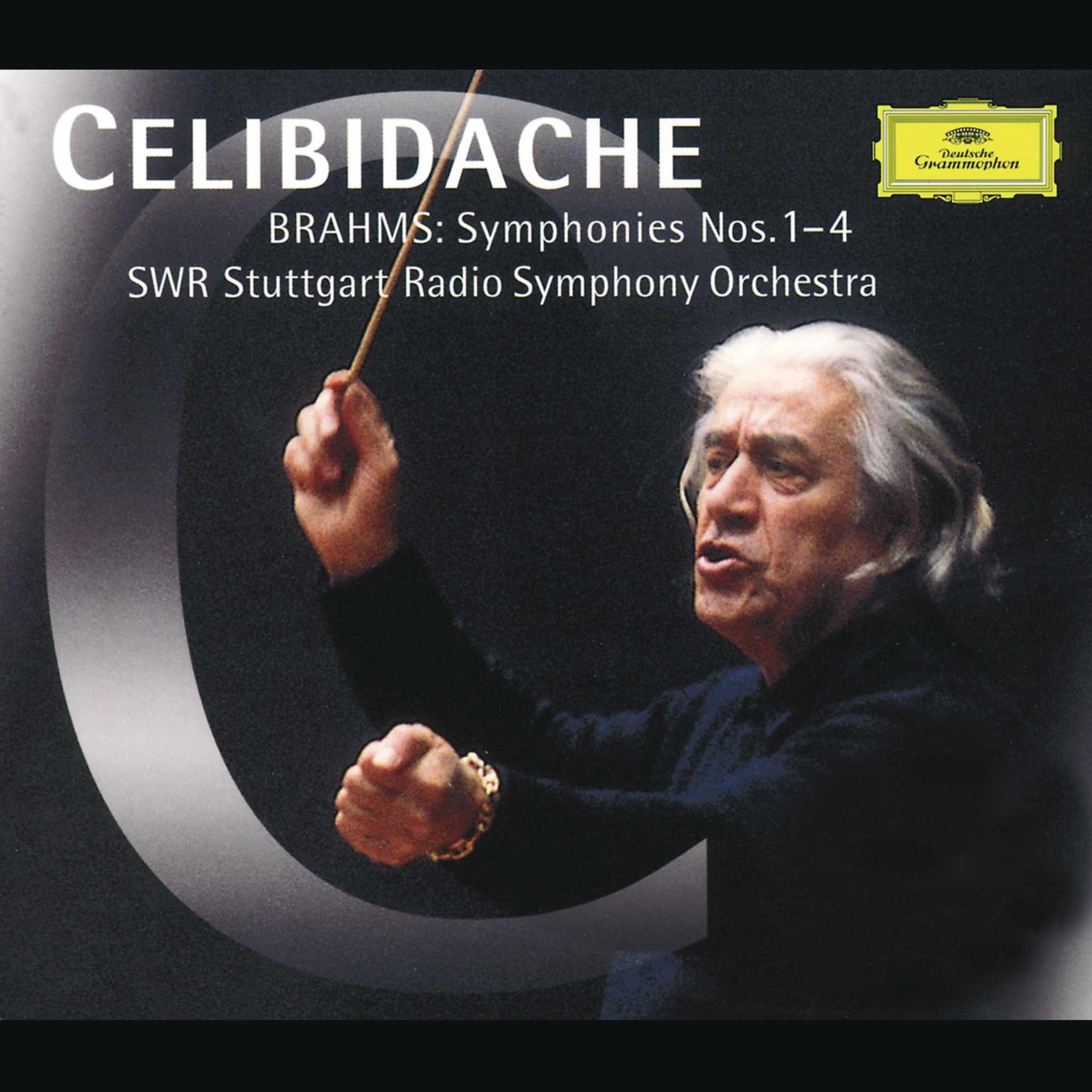
InfosSergiu Celibidache
Sergiu Celibidache (Dirigent)
Sergiu Celibidache wurde am 11. Juli 1912 in Rumänien geboren. Aufgewachsen in der moldawischen Stadt Lassy, erhielt er schon früh ersten Klavierunterricht und interessierte sich sehr bald auch für den musikalischen Satz.
Nach einigen Studienjahren der Mathematik, Philosophie und Musik, noch in Lassy, dann in Bukarest und Paris, kam er 1936 nach Deutschland, um an der Berliner Musikhochschule Kompositionsunterricht zu nehmen (Lehrer Heinz Tiessen). Zwei Jahre später meldete er sich bei Walter Gmeindl im Fach “Dirigieren” an.
Nach Kriegsende und dem plötzlichen Tod von Leo Borchard im Sommer 1945 übernahm Celibidache, sozusagen von der Hochschulbank weg, das Berliner Philharmonische Orchester, dessen Leitung er bis 1952 innehatte. Die Begegnungen mit Wilhelm Furtwängler waren für den jungen rumänischen Dirigenten von entscheidender Bedeutung.
Mit voller Absicht hat Sergiu Celibidache seit seinem Weggang von den Berliner Philharmonikern alle Institutionen gemieden, die glaubten, mit bloßer Routine auskommen zu können. Stattdessen arbeitete er immer, allerdings in nie ganz festen Bindungen, mit Orchestern zusammen, die ihm ausreichend Zeit zum Proben gemäß seinen Vorstellungen von Musik geboten haben.
Im Juni 1979 wurde Celibidache künstlerischer Leiter der Münchner Philharmoniker und Generalmusikdirektor der Landeshauptstadt München. Die “Münchner” waren das einzige Orchester, das der Maestro noch dirigierte. Eine der ganz raren Ausnahmen galt Ende März 1992 zwei Benefizkonzerten mit den Berliner Philharmonikern, an deren Pult er nach der für ihn enttäuschenden Wahl Herbert von Karajans in der Furtwängler-Nachfolge zum letzten Mal am 29. November 1954 gestanden hatte.
Von den zahlreichen Ehrungen und Auszeichnungen für den Maestro seien nur die Ernennung zum Professor ehrenhalber der Bundeshauptstadt Berlin und die Verleihung des Bayerischen Verdienstordens erwähnt sowie die Ehrenbürgerschaft seiner Heimatstadt Lassy und des “Doktor honoris causa” der dortigen Kunstakademie. Zu seinem 80. Geburtstag wurde Sergiu Celibidache mit dem Großen Verdienstkreuz mit Stern des Verdienstordens der Bundesrepublik Deutschland und der Ehrenbürgerwürde der Landeshauptstadt München geehrt. Er starb am 14. August 1996 in der Nähe von Paris.