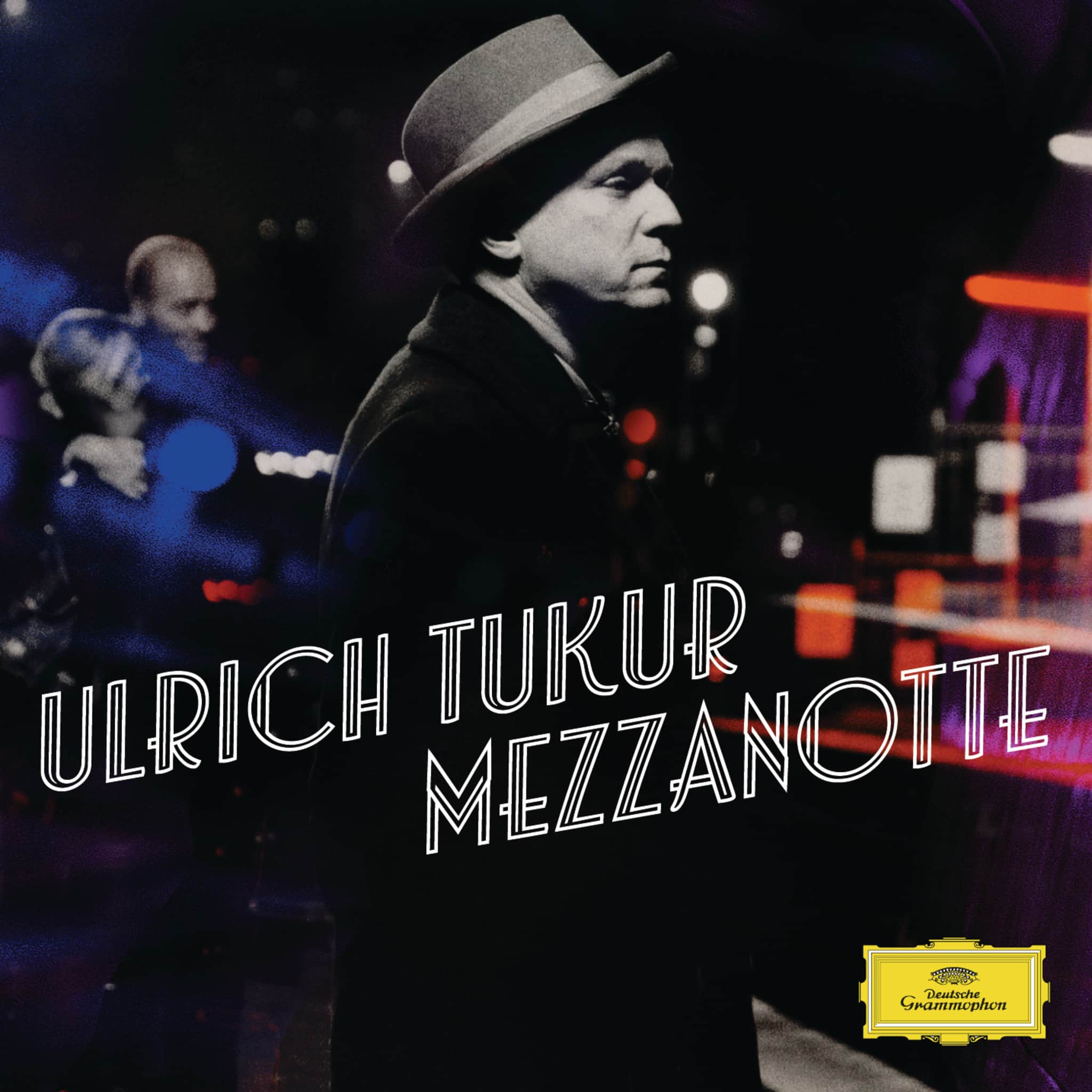
InfosUlrich Tukur
Ulrich Tukur kommt am 29. Juli 1957 im hessischen Viernheim zur Welt. Er wächst in Westfalen, Hessen und Niedersachen auf, macht im Rahmen eines Schüleraustauschs in Boston seinen Highschool-Abschluss und 1977 in der Wedemark bei Großburgwedel sein Abitur. Nach seinem Wehrdienst schreibt er sich für Germanistik, Anglistik und Geschichte an der Universität Tübingen ein. Mit einem Kommilitonen aus dem Germanistikseminar gründet er die “Floyd-Floodlight-Foyer-Band”, mit der sie Schlager und “Behelfsjazz” aus den 20er und 30er Jahren auf Marktplätzen und in Altenheimen spielen. Angeregt durch einen Akkordeonisten, der Mackie Messer vor dem Zimmertheater Tübingen spielt, kauft sich Tukur die erste Theaterkarte seines erwachsenen Lebens. Als er den Hauptdarsteller am nächsten Tag im Freibad wiedersieht, umringt von schönen Mädchen, beginnt er, sich selbst für die Schauspielerei zu interessieren.
Zu seiner großen Überraschung wird er 1980 an der Staatlichen Hochschule für Musik und Darstellende Kunst in Stuttgart angenommen. 1981, also noch zu Studienzeiten, spielt er in Michael Verhoevens Film Die weiße Rose die Rolle des Willi Graf und wird nach Beendigung seines Schauspielstudiums von den Städtischen Bühnen Heidelberg engagiert. “Das Studium war mir zu humorlos”, sagt er. “Aber ab dem Moment, als ich mit der Praxis zu tun hatte, hatte ich Spaß – es war wie ein verlängerter Studentenwitz. Bis Zadek kam, da wurde es wieder ernst.” Der Regisseur engagiert ihn 1984 für die Rolle des SS-Offiziers Kittel in Ghetto an der Freien Volksbühne Berlin und nimmt ihn im Jahr darauf mit ans Hamburger Schauspielhaus, wo Tukur bis 1995 in zahlreichen Rollen glänzt.
1993 produziert, schreibt und spielt er seine Mörder-Revue Blaubarts Orchester am Schmidts Tivoli in Hamburg, vier Jahre später die Revue Einmal Casanova sein. Von 1995 bis 2003 leitet er zusammen mit Ulrich Waller, dem Regisseur dieser Revuen, als Intendant die Hamburger Kammerspiele. (Nachfolger wird Dominique Horwitz, der Tukur damals auf der Bühne und im Freibad in Tübingen zu diesem Beruf inspirierte.) Schon 1995, also fünf Jahre nach seinem Schallplattendebüt als Sänger auf dem Album Tanzpalast, Gründung von “Ulrich Tukur und die Rhythmus Boys”, der “ältesten Boygroup der Welt”. Das Quartett widmet sich auf zahlreichen Tourneen und Tonträgern wie z.B. Morphium oder Musik hat mich verliebt gemacht sowohl Evergreens aus der ersten Hälfte des 20. Jahrhunderts als auch Eigenkompositionen.
Drumherum erlebt Tukur eine faszinierende Film- und Fernsehkarriere, spielt etwa in Costa-Gavras’ Der Stellvertreter und Eden Is West, Steven Soderberghs Solaris, dann 2006 als Stasi-Leutnant Anton Grubitz im Oscar-prämierten Film Das Leben der Anderen und aktuell den Tatort-Kommissar Felix Murot.
Ulrich Tukur wurde unter anderem mit dem Goldenen Bären, der Goldenen Kamera, dem Adolf-Grimme-Preis, dem Deutschen Fernsehpreis und zweimal mit dem Deutschen Filmpreis ausgezeichnet. Nachdem er schon zwei erfolgreiche Hörbücher gelesen hatte, gab er 2007 mit Die Seerose im Speisesaal sein eigenes literarisches Debüt. Ulrich Tukur hat zwei Töchter aus erster Ehe, Lili und Marleen. Er lebt mit seiner zweiten Frau, der Fotografin Katharina John, und etwa zweitausend Schellack-Platten auf der Insel Giudecca im Süden von Venedig.