
Alben


Erscheint auf



Kurze Videos

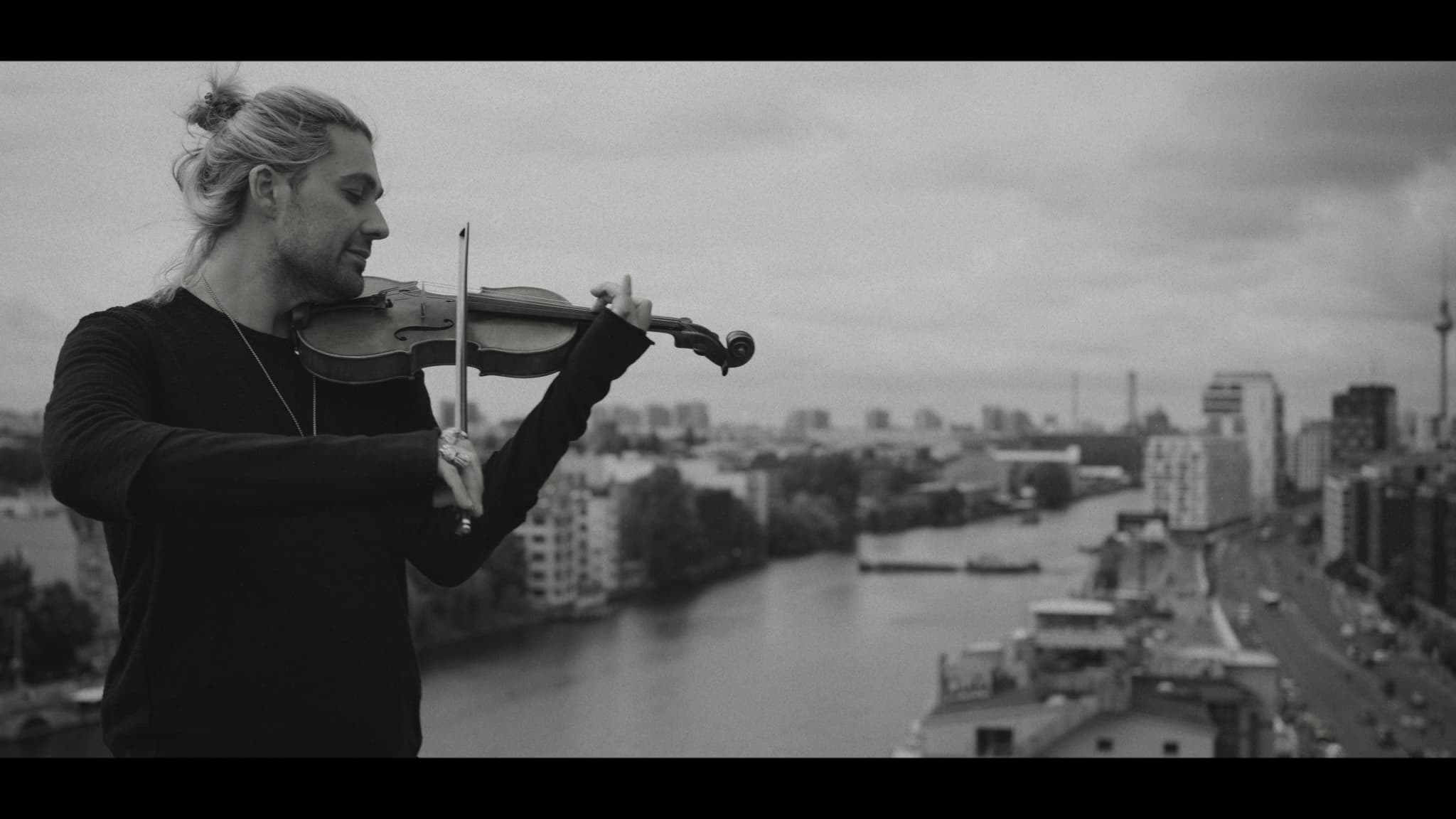
InfosDavid Garrett

David Garrett
Rock Revolution (2017)
Zeit für Klassiker: Auf seinem neuen Crossover-Album „Rock Revolution“ adaptiert David Garrett überwiegend zeitlose Meisterwerke der Rockmusik. Stücke wie z.B. „Bohemian Rhapsody“ von Queen, „Stairway To Heaven“ von Led Zeppelin oder „In the Air Tonight“ von Phil Collins lässt der Star-Geiger durch innovative Interpretationen in einem neuen Glanz erstrahlen – und macht sie so auf inspirierende Weise neu erfahrbar.
Alben von David Garrett Auf STAGE+ ansehen
Alles begann mit „Purple Rain“: Einige Wochen nach dem tragischen Tod von Prince verfolgte David Garrett eine Würdigung für den verstorbenen Musiker im Fernsehen. „Ich mag den Song sehr und bin ein großer Prince-Fan, genau deswegen war es mir sehr wichtig, ihm meinen Respekt zu zollen und Purple Rain neu zu arrangieren. Also rief ich meinen Arrangeur John Haywood an und bat ihn, eine Instrumentalversion von ‚Purple Rain‘ einzuspielen.“
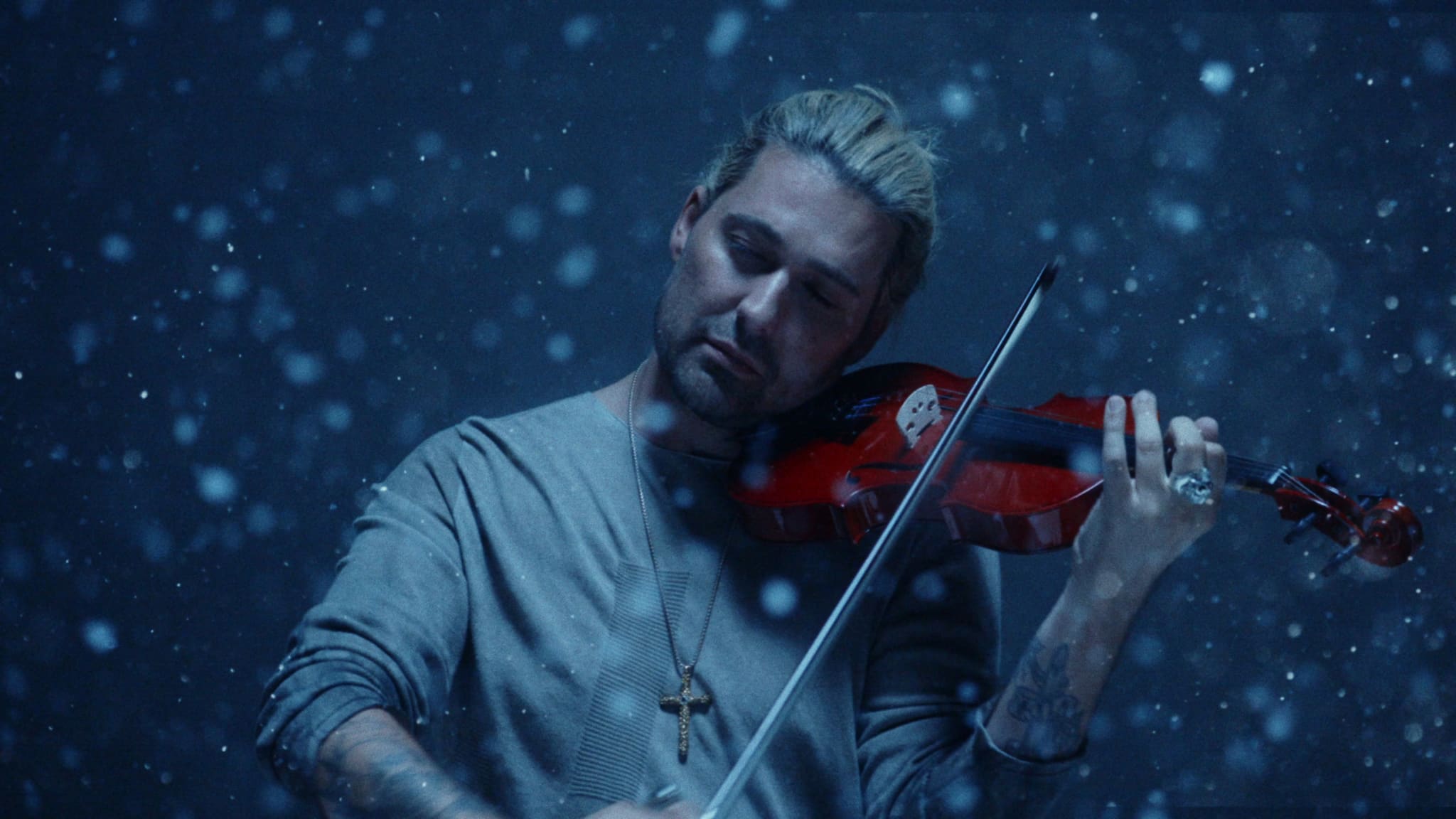
John schickte ihm seinen Vorschlag am nächsten Tag zu und so wurde der Prince-Klassiker für David Garrett zum Ausgangspunkt für ein besonderes Experiment: „Eigentlich mochte ich die elektrische Geige nie besonders, aber als ich Johns Arrangement hörte, wusste ich sofort, dass nur dieses Instrument perfekt zu ‚Purple Rain‘ passen würde.“ Also besorgte David Garrett sich eine E-Geige – und kreierte mit dem Instrument eine wesentliche Grundlage für die druckvolle Klangarchitektur von „Rock Revolution“.
Diese Geschichte ist nur ein Beispiel für die Experimentierlust eines außergewöhnlichen Musikers. David Garrett ist ein Grenzgänger, ein Wandler zwischen den Welten. Schon immer war musikalische Neugierde eine wesentliche Triebkraft für ihn. Auch deswegen entwickelte er sich im Verlauf seiner langen Karriere zu einem herausragenden Geiger von Weltrang. Nicht weniger als 16 Studioalben hat er seit 1994 veröffentlicht. Zwischen 2007 und 2015 verging kein Jahr ohne ein neues Multiplatin- oder Gold-Album. Auf den Werken dieser Zeit ließ Garrett alle Genregrenzen hinter sich. Er interpretierte zeitlose Klassiker der Rock- und Popmusik ebenso, wie er 2013 auf „Garrett vs. Paganini“ das Werk des vielleicht größten Geigers aller Zeiten, Niccoló Paganini, würdigte und auf seinem bislang letzten Album, „Explosive“ (2015), als Komponist brillierte.
Das Wissen um diese Dinge ist wichtig, um zu verstehen, was David Garrett antreibt, wenn er nun ein weiteres Kapitel seiner Karriere aufschlägt: Sieben Jahre nach „Rock Symphonies“ widmet sich der Geiger erneut seiner Liebe für die Rockmusik. Aufgenommen hat er das Werk im Studio des musikalischen Leiters seiner Band, Franck van der Heijden. „Normalerweise machen wir dort nur die Vorproduktion“, sagt Garrett. „Aber diesmal sind wir danach bewusst nicht in ein berühmtes Studio gegangen, sondern gleich bei Franck geblieben. Dort hatten wir eine tolle, familiäre Atmosphäre, die einen wesentlichen Anteil an der gemeinsamen, kreativen Arbeit hatte.“
Garrett sagt bewusst „wir“, wenn er von den Aufnahmen spricht. Über acht Jahre spielt er nun schon mit Franck van der Heijden (Gitarre), John Haywood (Piano) sowie Marcus Wolf (Gitarre), Jeff Allen (Bass) und dem Schlagzeuger Jeff Lipstein zusammen. „Sie alle sind sehr wichtig für mich und wir sind im Lauf der Jahre richtig gute Freunde geworden“, sagt Garrett. „Durch diese großartige Band habe ich als Musiker einen enormen Freiraum.“
Die besondere Chemie, die zwischen den Musikern besteht, war für das Gelingen von „Rock Revolution“ eine wichtige Komponente. Gemeinsam mit seiner Band interpretiert David Garrett auf dem Album neue Versionen von Songs wie „In The Air Tonight“ (Phil Collins), „Superstition“ (Stevie Wonder) und von Michael Jacksons „Earth Song“. Ein weiterer Höhepunkt ist die Eigenkomposition „Duel Guitar vs. Violin“, in der sich Garrett und van der Heijden auf virtuose Weise kongenial ergänzen.
Über anderthalb Jahre hatte David Garrett zuvor Stücke ausgewählt, die er dann gemeinsam mit der Band einstudierte und teilweise auch bereits bei den Konzerten spielte, da er die direkte Publikumsreaktion als zusätzliches Kriterium schätzt. Schließlich blieben 25 Stücke übrig, von denen nun 15 für die Standard- und 18 für die Deluxe-Version von „Rock Revolution“ ausgewählt wurden. „Ich notiere ständig Titel, die mir gefallen“, sagt Garrett. „Die konkrete Auswahl entwickelt sich dann auf sehr natürlich Art. Die Stücke müssen Spaß machen, mich aber auch musikalisch fordern.“
Diesbezüglich hat sich der Musiker auf „Rock Revolution“ ambitionierte Ziele gesetzt. Klassiker wie „Stairway To Heaven“ von Led Zeppelin gelten als musikalisch komplex. „Ich liebe Led Zeppelin“, sagt Garrett. „Insofern wollte ich ‚Stairway To Heaven‘ schon lange auf der Geige arrangieren. Funktioniert hat insbesondere der rockige Part aber erst jetzt in der Kombination mit der E-Geige. Auf diese Weise neue musikalische Welten zu entdecken, ist für mich als Musiker das Schönste.“
Er hat diese Welten nicht nur entdeckt, sondern erobert. Aus Garretts intuitivem Verständnis für diese Musik bezieht das Album seine Kraft. Das gilt nicht zuletzt für „Bohemian Rhapsody“ von Queen. Die Art und Weise, wie Garrett den Song auf „Rock Revolution“ interpretiert, wie er den legendären Chor in der Mitte mit Geige und großem Orchester arrangiert hat, kündet von seiner musikalischen Klasse. David Garrett hat das fremde Material durchdrungen und fügt ihm ein individuelles Moment hinzu, das macht seine Interpretationen außergewöhnlich.
Denn natürlich hatte er nicht nur bei diesem Song ein offensichtliches Problem zu lösen: Die Art, wie die meisten Menschen Pop und Rock wahrnehmen, wird zu wesentlichen Teilen von der menschlichen Stimme und den zugrundeliegenden Texten definiert. Es ging für Garrett ja nicht zuletzt darum, mit seiner Geige herausragende Rock- und Popsänger wie Michael Jackson oder Freddie Mercury gewissermaßen zu „ersetzen“. So gibt es zwar einige Chöre auf diesem Album, wie etwa bei Bruce Springsteens „Born In The USA“, aber die Lead-Melodie wird stets von der Geige getragen.
„Das ist ein schmaler Grat“, sagt Garrett. „Viele Leute haben den Text im Kopf und ein konkretes Bild von diesen Songs, die ja alle sehr bekannt sind. Insofern sollte man nicht zu sehr von der eigentlichen Melodie abweichen. Auf der anderen Seite darf man aber auch nicht zu nah am Original bleiben. Also erfindet man eine Art von Melodik in Anlehnung an das Original, die aber technisch betrachtet durchaus abweicht.“
David Garrett interpretiert auf „Rock Revolution“ des Weiteren unterschiedliche Songs verschiedenster Genres. Neben „Fix You“ von Coldplay enthält das Album auch eine orchestrale Version von Rage Against The Machines „Killing In The Name“ auf der einen, und eine Interpretation des „Concerto No. One“ von Peter Tschaikowsky auf der anderen Seite.
Unter der Hand von David Garrett fügen sich nun all diese Stücke zu einem homogenen Ganzen zusammen. „Rock Revolution“ ist ein zu gleichen Teilen rockiges wie sinfonisches Album geworden – und eine große Verbeugung des Meistergeigers David Garrett vor einigen seiner liebsten Musikstücke.