
Concerts


Operas



Albums





Appears On




Short Videos


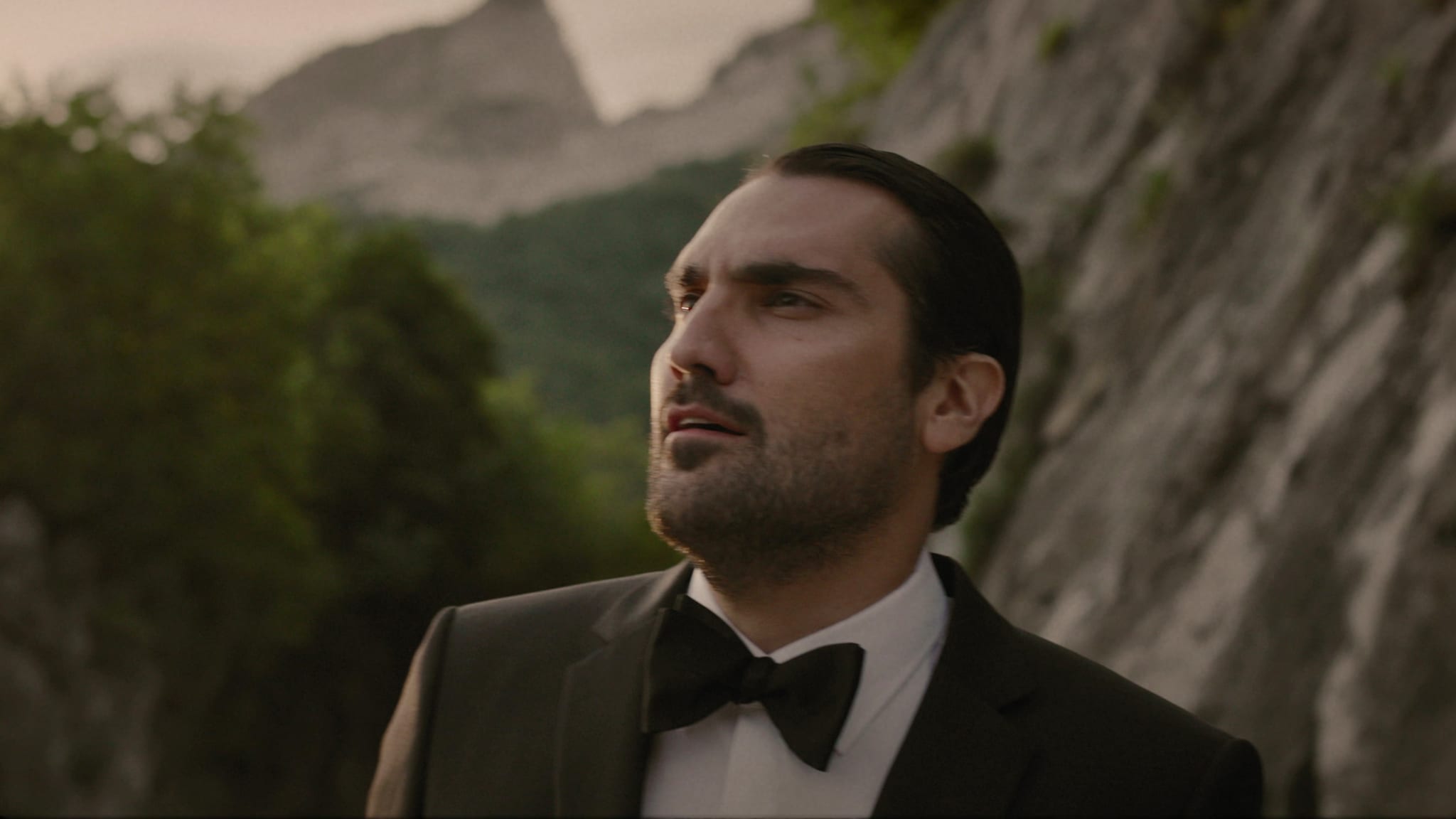
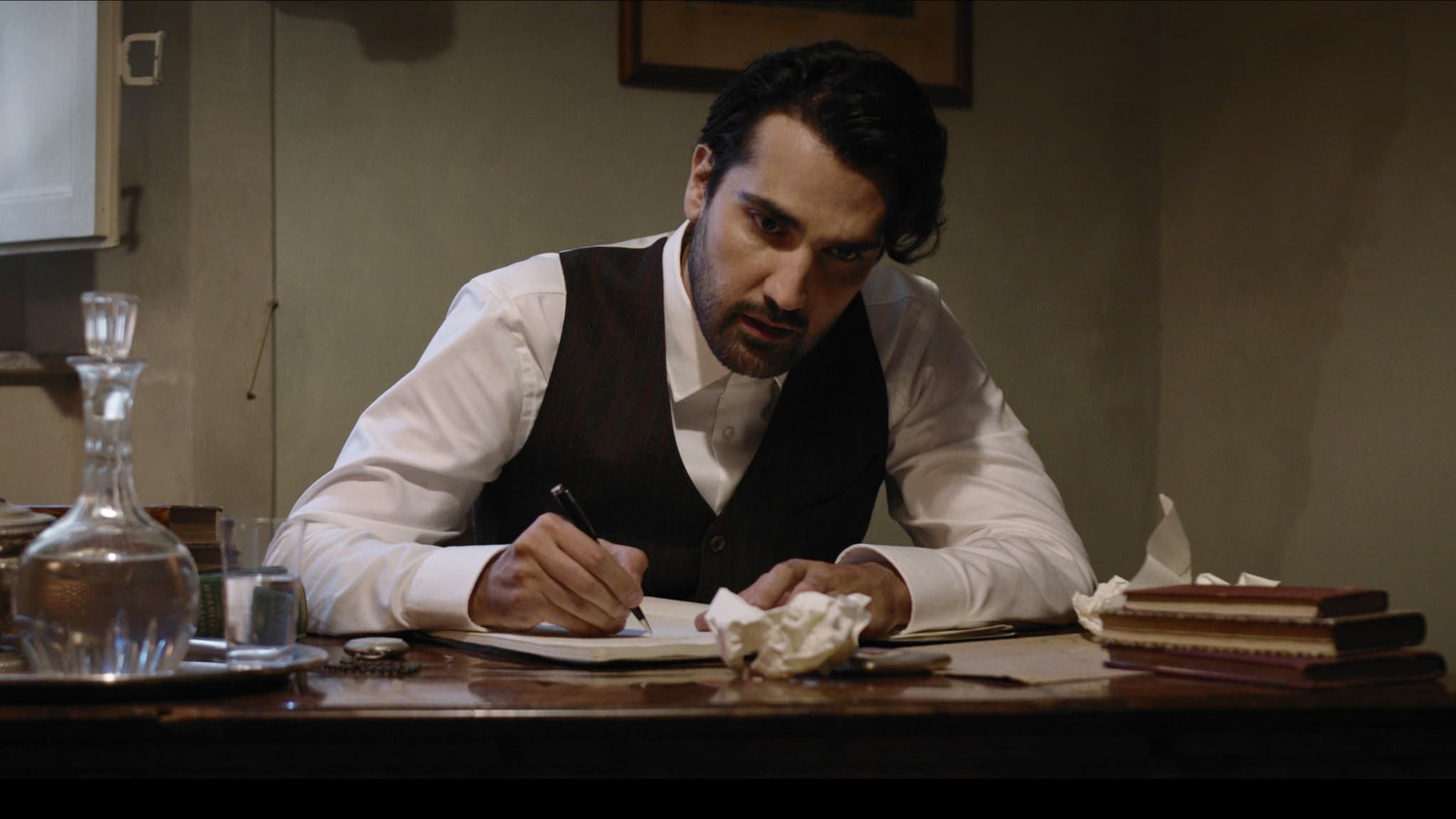

AboutGiacomo Puccini

Puccini was the last Italian composer to write a series of operas that established themselves in the international repertoire. After revealing his true talent in 1893 with Manon Lescaut, several works followed that, although not all immediately triumphed, almost without exception quickly became popular: La Bohème, Tosca, Madama Butterfly, La fanciulla del West, La Rondine, Il trittico (three one-act operas – Il tabarro, Suor Angelica, and Gianni Schicchi) and finally Turandot. Puccini was not only strongly influenced by Verdi, whose last opera Falstaff premiered eight days after Manon Lescaut, but also by Wagner and the French composers Gounod, Bizet, and Massenet. His later works were influenced by Debussy and Richard Strauss – he always maintained a lively interest in the latest musical developments. Although Puccini composed for the voice with rarely achieved artistry and all his significant works are operas, it would be wrong to consider him purely a vocal composer: the complexity of his harmonic texture and the mastery of his instrumentation are certainly on par with the seemingly natural beauty of his melodies.
Watch concerts and operas by Giacomo Puccini on STAGE+