














The Life and Works of Georges Bizet
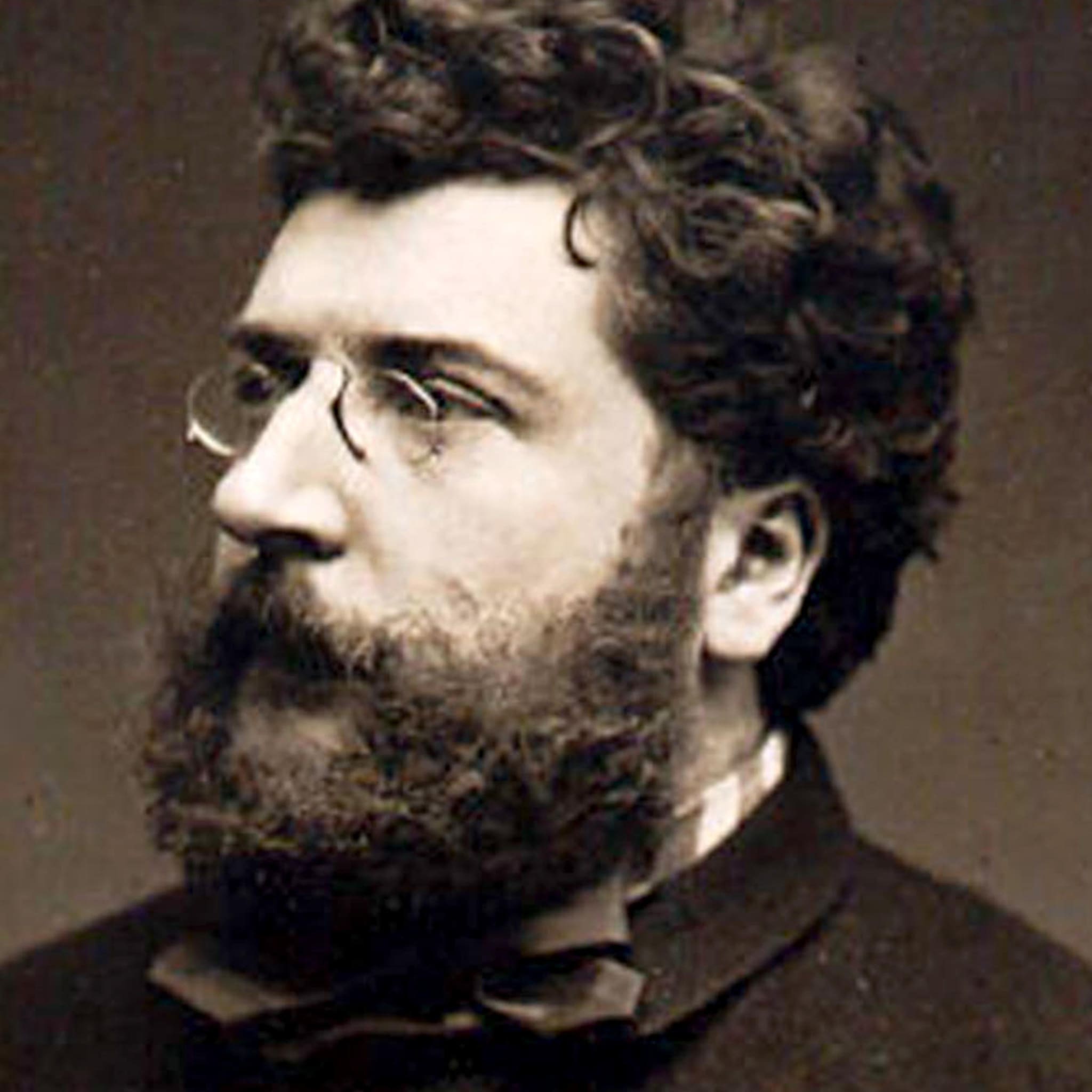
Georges Bizet (born October 25, 1838, Paris—died June 3, 1875, Bougival) is celebrated for his energetic, vivid storytelling, and memorable melodies. He is best known for his opera Carmen, which is now one of the most performed works in the world.
A Pioneering Talent From a Young Age
From his early childhood, Georges Bizet was immersed in music. With singing teachers as his father and uncle, and a pianist for a mother, Bizet was not a stranger to the world of music even at a tender age. His uncle introduced him to music and cultural tastes that went beyond conventional French tastes. When Bizet marked his entry into the Paris Conservatoire in 1848, at the young age of nine, the world recognized a rare talent in this prodigy. He was still a student, at only 17, when he composed his first Symphony in C. Although it showcased Bizet's imagination filled with rich melodious tunes, the symphony took 80 years to premiere despite its elegance and charm.
The Name Synonymous with Opera: Carmen
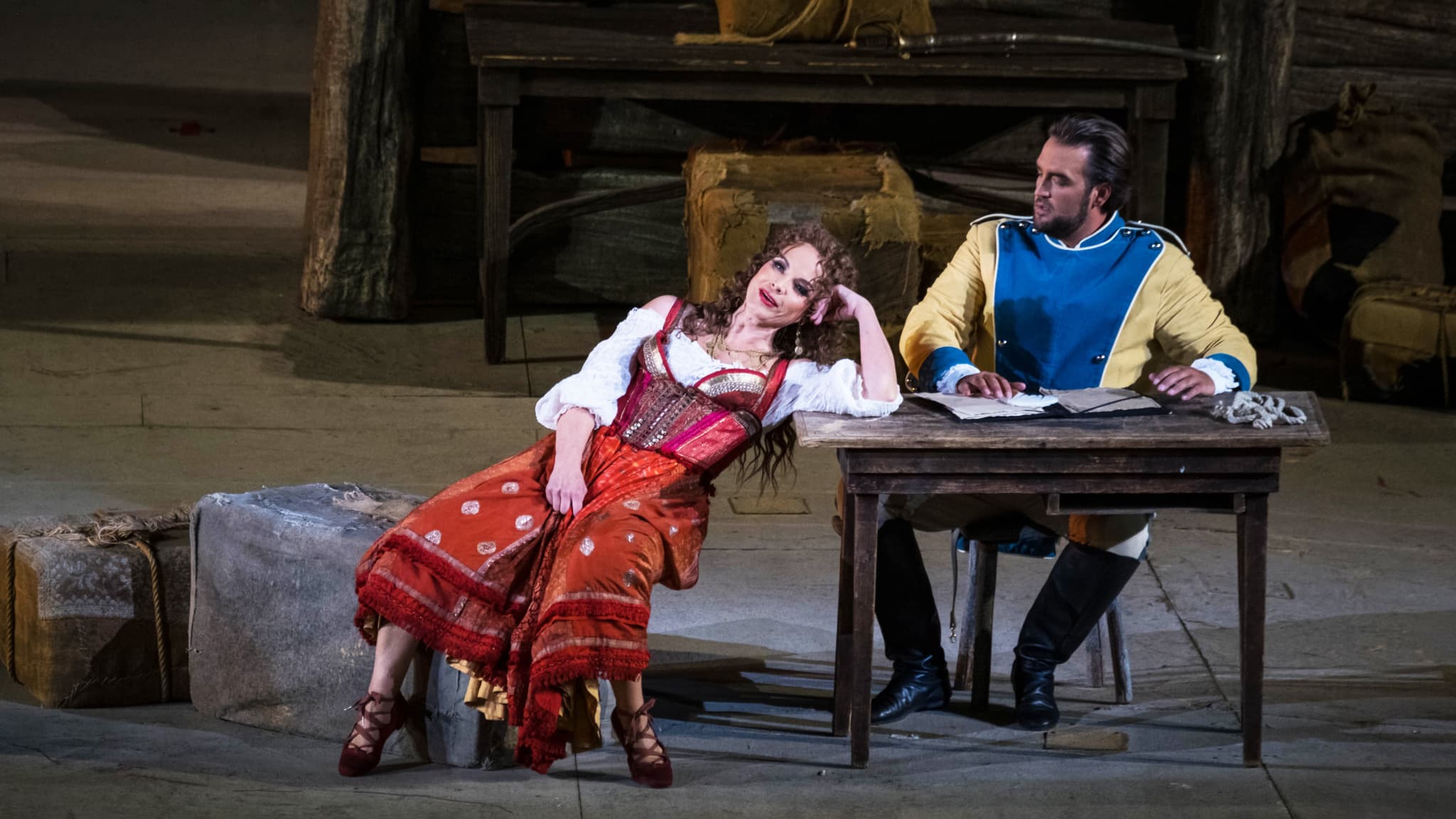
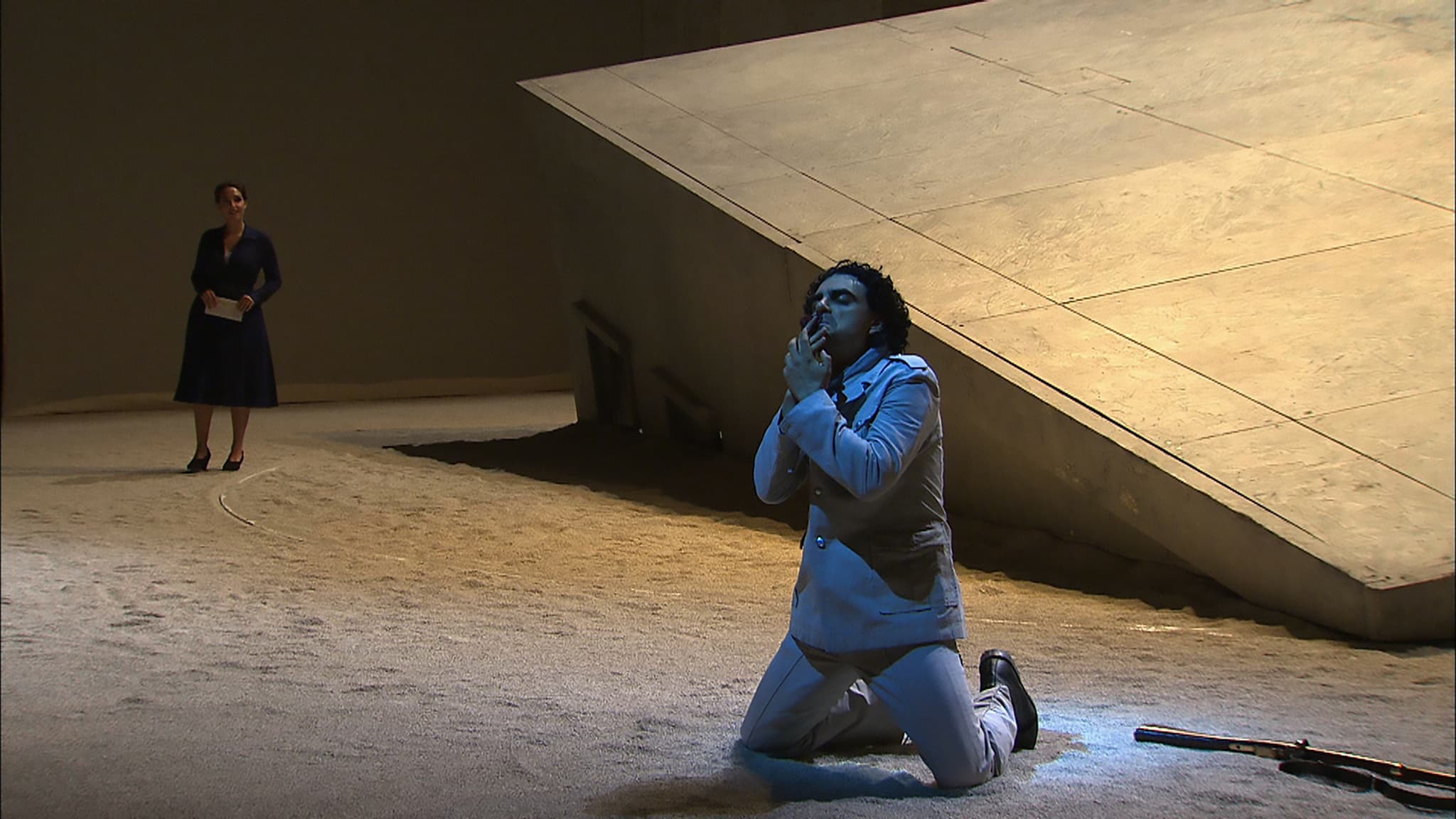
Despite having penned only a modest number of works, Bizet’s Carmen is a standout, with its name inextricably bound to the composer’s. First performed at Opéra-Comique in Paris in 1875, Carmen faced initial backlash, described as "indecent", "dramatically weak", and even "vulgar". Tchaikovsky, however, had a different perspective and presciently suggested that Carmen would become the most popular opera in the world ten years later. This bold prediction came true, and Carmen is now universally beloved by audiences.
Perseverance Amidst Ambivalence
Bizet’s career saw a rollercoaster of triumphs and failures. His orchestral suite, based on the incidental music that he had written for Daudet's L'Arlésienne in 1872, was well received and remains popular. However, many of his operas, including Les pêcheurs de perles (The Pearl Fishers) and La jolie fille de Perth (The Fair Maid of Perth), were performed but initially met with limited success.
Legacy and Influence
Despite limited success in his lifetime, Bizet is now recognized as one of the greatest French composers. His approach in Carmen influenced the verismo opera movement, adding a layer of realism to the genre. Bizet's music, filled with compelling energy and rich melodies, continues to sweep audiences off their feet, leaving an inspiring legacy for future generations.