

Skip to content

Conductor

Giuseppe Sinopoli

1947 — 2001

AboutGiuseppe Sinopoli

Photo: Tanja Niemann

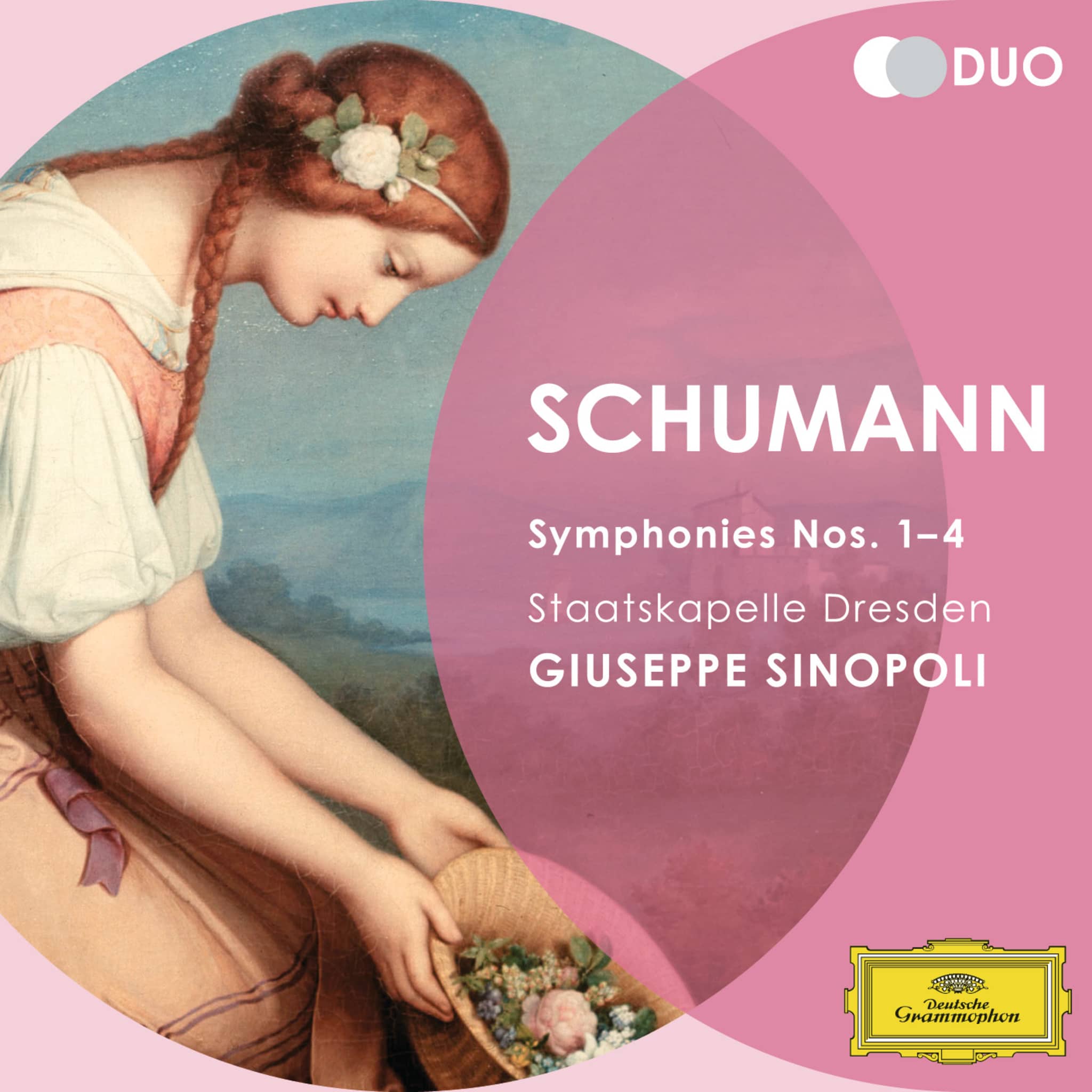
Giuseppe Sinopoli was born in Venice on November 2, 1946. He studied music at the conservatory in his hometown and, at his father's request, medicine in Padua simultaneously. In 1972, he earned his doctorate with a thesis on criminal anthropology and another on the interplay of physiological and acoustically-mental components of human perception. His music studies in Venice proved unproductive for Sinopoli, leading him to attend summer courses in Darmstadt with Karlheinz Stockhausen and Bruno Maderna in 1968. Having developed a taste for it, he deepened his knowledge from 1969–73 at the Accademia Musicale Chigiana in Siena with Franco Donatoni, becoming his assistant, and finally completed his training with conducting masterclasses under Hans Swarowsky in Vienna. Throughout the 1970s, he first gained recognition for his compositional activities, receiving commissions from festivals in France, the Netherlands, and Germany (Donaueschingen), among others. His opera “Lou Salomé” premiered in May 1981 at the Bavarian State Opera in Munich. In 1972, Sinopoli became a lecturer for contemporary and electronic music at the Venice Conservatory, but at the same time, he looked to Vienna and founded the Bruno Maderna Ensemble in 1975. From the mid-seventies onwards, in addition to his compositional work, he increasingly made a name for himself as a conductor. Important milestones in his career included performances of Verdi's “Aida” in 1976 and Puccini's “Tosca” in 1977 in Venice. In 1980, he debuted with Verdi's “Macbeth” at the Deutsche Oper Berlin, with “Aida” at the Hamburg State Opera, and with Verdi's “Attila” at the Vienna State Opera. In 1983, Sinopoli introduced himself as an opera conductor in London (with Puccini's “Manon Lescaut”) and in 1985 at the Metropolitan Opera New York (“Tosca”). Finally, in 1994, he debuted at La Scala with Richard Strauss “Elektra”. Furthermore, since his Bayreuth debut in 1985 (“Tannhäuser”), he regularly appeared at the festival. In 1994, he conducted “Parsifal” there, and six years later, the “Ring”. In addition, Giuseppe Sinopoli was a regular guest at the Salzburg Festival, the Lucerne Festival, the Schleswig-Holstein Music Festival, and major opera houses in New York, London, Milan, Vienna, and Berlin. In 1990, he took over the artistic direction of the “Taormina Arte” festival. Sinopoli was a globally sought-after star on the podium. He conducted the Berlin and Vienna Philharmonic Orchestras, the New York Philharmonic Orchestra, the orchestras of the Deutsche Oper Berlin, the Accademia di Santa Cecilia, the London Philharmonia Orchestra, and the Staatskapelle Dresden. From 1983 to 1987, he was chief conductor of the Orchestra dell'Accademia Nazionale di Santa Cecilia in Rome. The Philharmonia Orchestra appointed him its chief conductor in 1984 and its music director three years later (until 1994). From 1992, he also led the venerable Staatskapelle Dresden, which celebrated its 450th anniversary in 1998. On April 20, 2001, Giuseppe Sinopoli unexpectedly collapsed while conducting the third act of “Aida” at the Deutsche Oper Berlin and died from the consequences of a heart attack. Giuseppe Sinopoli recorded for Deutsche Grammophon for two decades. His discography includes numerous award-winning recordings such as Puccini's “Manon Lescaut,” “Madame Butterfly,” and “Tosca,” Verdi's “La Forza del Destino,” Wagner's “Tannhäuser,” and Richard Strauss “Salome” and “Elektra.” Additionally, highly acclaimed recordings of orchestral music were produced, including Tchaikovsky's “Symphony No. 6,” Mahler's “Symphony No. 9,” and the Schumann symphonies. His more recent releases include recordings of works by Busoni, Liszt, and Bruckner with the Staatskapelle Dresden, as well as Wagner's “Der Fliegende Holländer” with the chorus and orchestra of the Deutsche Oper Berlin. In 1994, Giuseppe Sinopoli was awarded the Grand Cross of Merit, Italy's highest honor, for his contributions to culture and music. 6/2005

Celebrating the Musical Mastery of Giuseppe Sinopoli

Immerse yourself in the captivating musical world of the accomplished Italian conductor and composer, Giuseppe Sinopoli. This collection of works showcases his incredible versatility and deep understanding of orchestral dynamics. Sinopoli's career spanned both avant-garde composition and leadership of major orchestras and opera houses, making him a celebrated figure in the world of classical music.

Sinopoli's Interpretation of Respighi's Orchestral Works

Sinopoli's interpretation of Respighi's orchestral works, including "Pini di Roma" and "Fontane di Roma," truly brings these compositions to life. His recording of these works is prized for its vibrant color and precision, brilliantly demonstrating his skillful direction. These works highlight his skill with early 20th-century Italian orchestral music.

Sinopoli's Connection with Elgar's Compositions

The Italian maestro seamlessly transitions from Respighi to Elgar, displaying a profound connection with 'Symphony No. 1', 'In the South', and 'Pomp & Circumstance'. His recordings with the Philharmonia Orchestra showcase Sinopoli’s grasp of late-Romantic English repertoire. The albums also showcase a stunning performance of Elgar's 'Enigma Variations'; 'Cello Concerto'; and 'Serenade For Strings', notable for their blend of lyricism and structural clarity.

Sinopoli's Collaboration in Puccini's Operatic Masterpieces

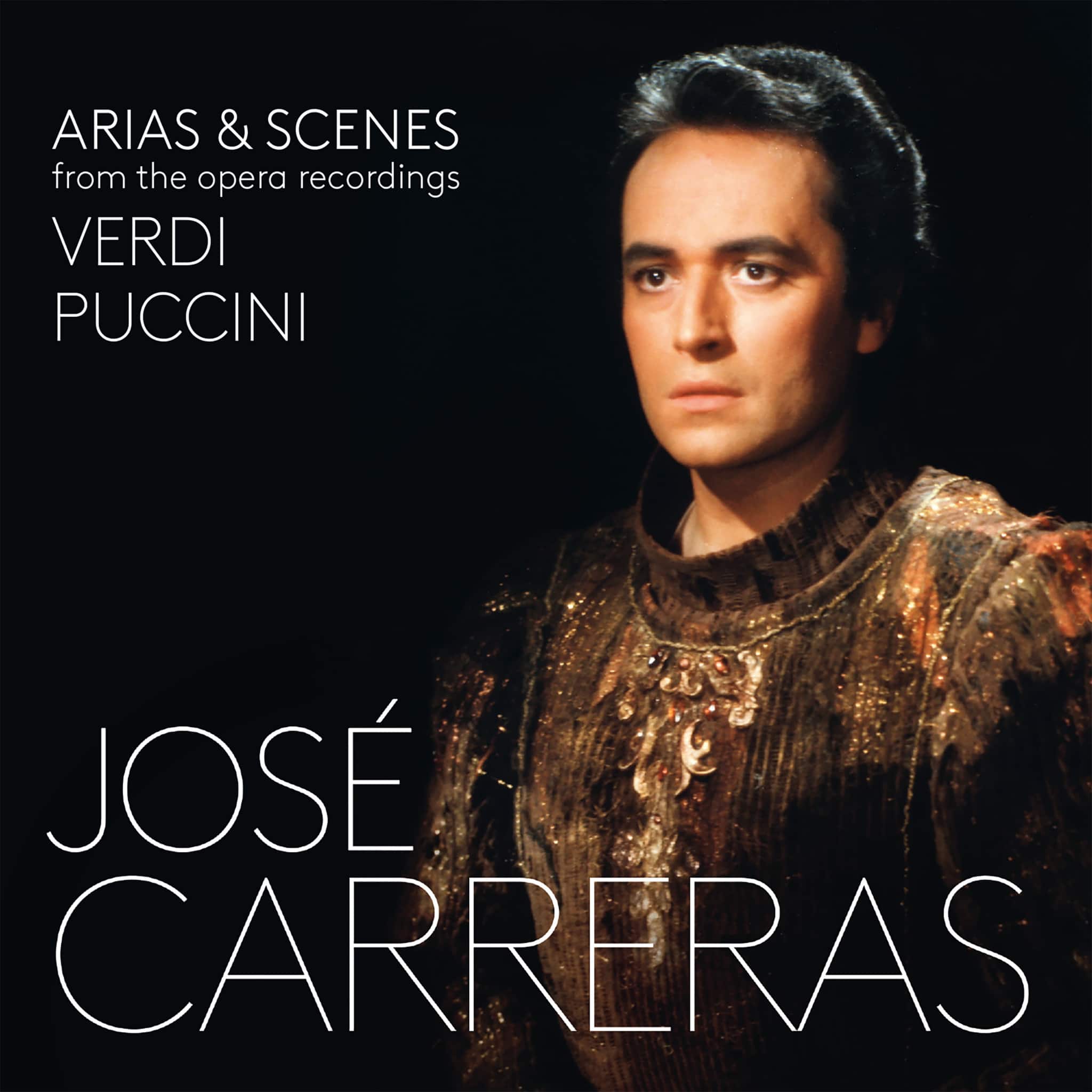
The splendor of Sinopoli’s direction is evident as he collaborates with the Philharmonia Orchestra in the delivery of Puccini's "Madama Butterfly," and "Manon Lescaut". These recordings feature leading vocalists such as Mirella Freni and José Carreras, demonstrating his affinity for Italian opera.

Sinopoli's Interpretation of Richard Strauss's "Salome"

Sinopoli's interpretation of Richard Strauss's "Salome" dares you to listen and not be entranced by the enticing narratives weaved within the music, skillfully brought to life by the 'Orchester der Deutschen Oper Berlin'. Sinopoli was especially renowned for his electrifying interpretations of Richard Strauss operas.

Sinopoli's Direction in Wagner's "Tannhäuser - Highlights"

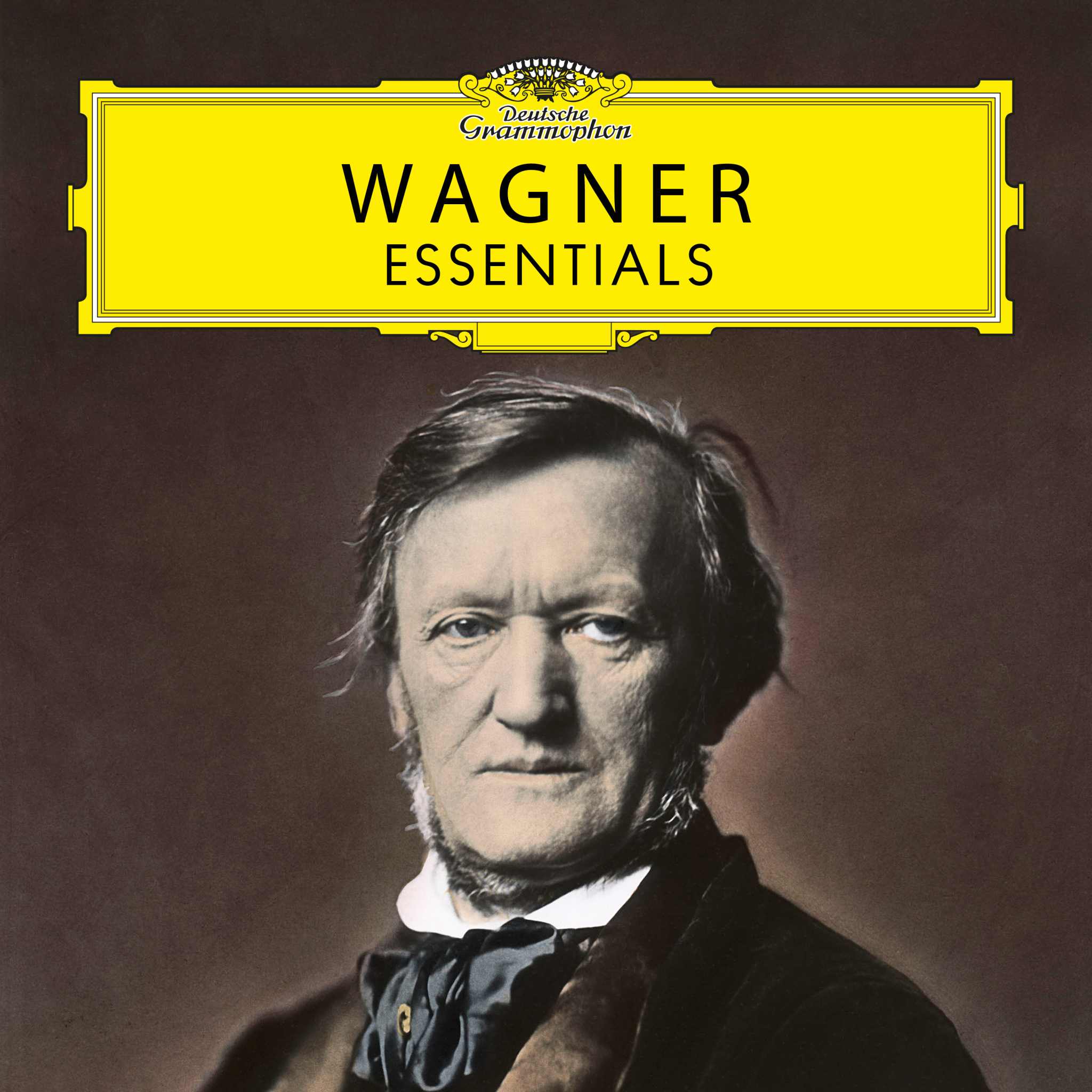
Wagner's "Tannhäuser - Highlights" explode under Sinopoli's baton. Under his direction, Wagner’s music gained dramatic thrust while preserving orchestral detail.

This collection of works is a testament to Sinopoli's extraordinary talent, offering listeners a journey across diverse musical landscapes. From small chamber pieces to large symphonic works, each piece is rendered with Sinopoli's unique touch, ensuring a rewarding listening experience for all classical music lovers.