


Celebrating Leó Weiner: Hungary's Musical Maverick
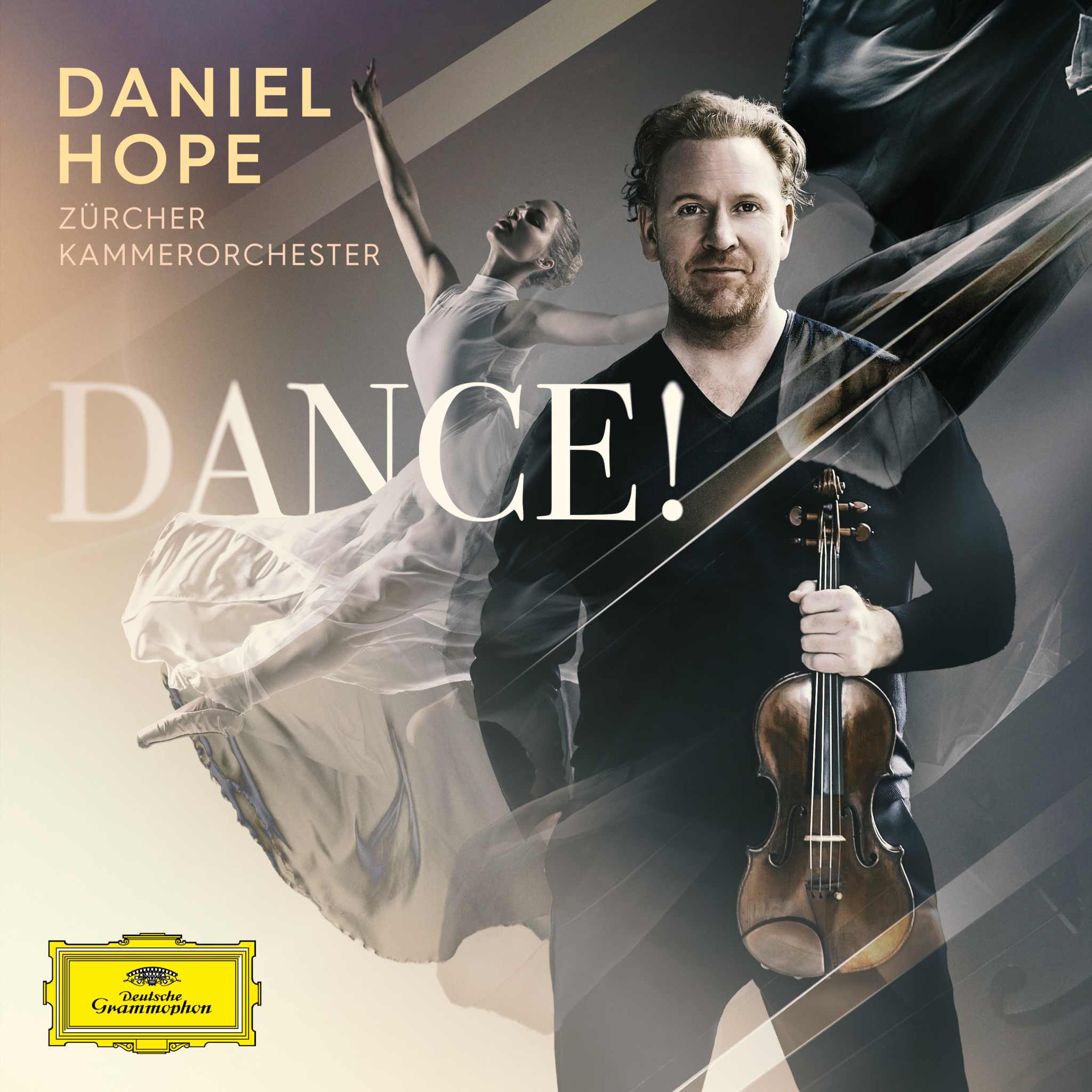
In the realm of music, few figures are as enigmatic as the Hungarian maestro Leó Weiner. Born on 16th April 1885, Weiner's influence spread far across his career as an educator and composer, ultimately placing him at the forefront of Hungary's music scene in the early-to-mid-20th century. With intricate violin sonatas performed by the likes of Daniel Hope and the Zürcher Kammerorchester, Weiner's works continue to inspire and captivate music enthusiasts worldwide. Delve into the unexplored world of Leó Weiner, and discover the passion and genius that built his fascinating legacy.
Fascinating Works and Legacy of Leó Weiner
Leó Weiner stands as one of Hungary’s foremost music educators and composers from the early twentieth century. Renowned for his influential teaching at the Budapest Academy of Music and for nurturing generations of prominent musicians, Weiner also left a lasting mark as the creator of a distinctly lyrical, folk-influenced output. Weiner’s style is often described as charming and conservative, drawing on late Romantic traditions and Hungarian folk idioms without venturing into the avant-garde. His music is prized for its craftsmanship, melodic richness, and vivacious rhythm.
Drawing Parallels: Brahms and Weiner's Hungarian Connection
Weiner's varied portfolio encompasses arrangements and original pieces that showcase Hungarian dance rhythms and melodies, often echoing the spirit of his contemporaries like Brahms, but with a unique national flavor.
Weiner’s Violin Sonatas: A Melodic Masterpiece
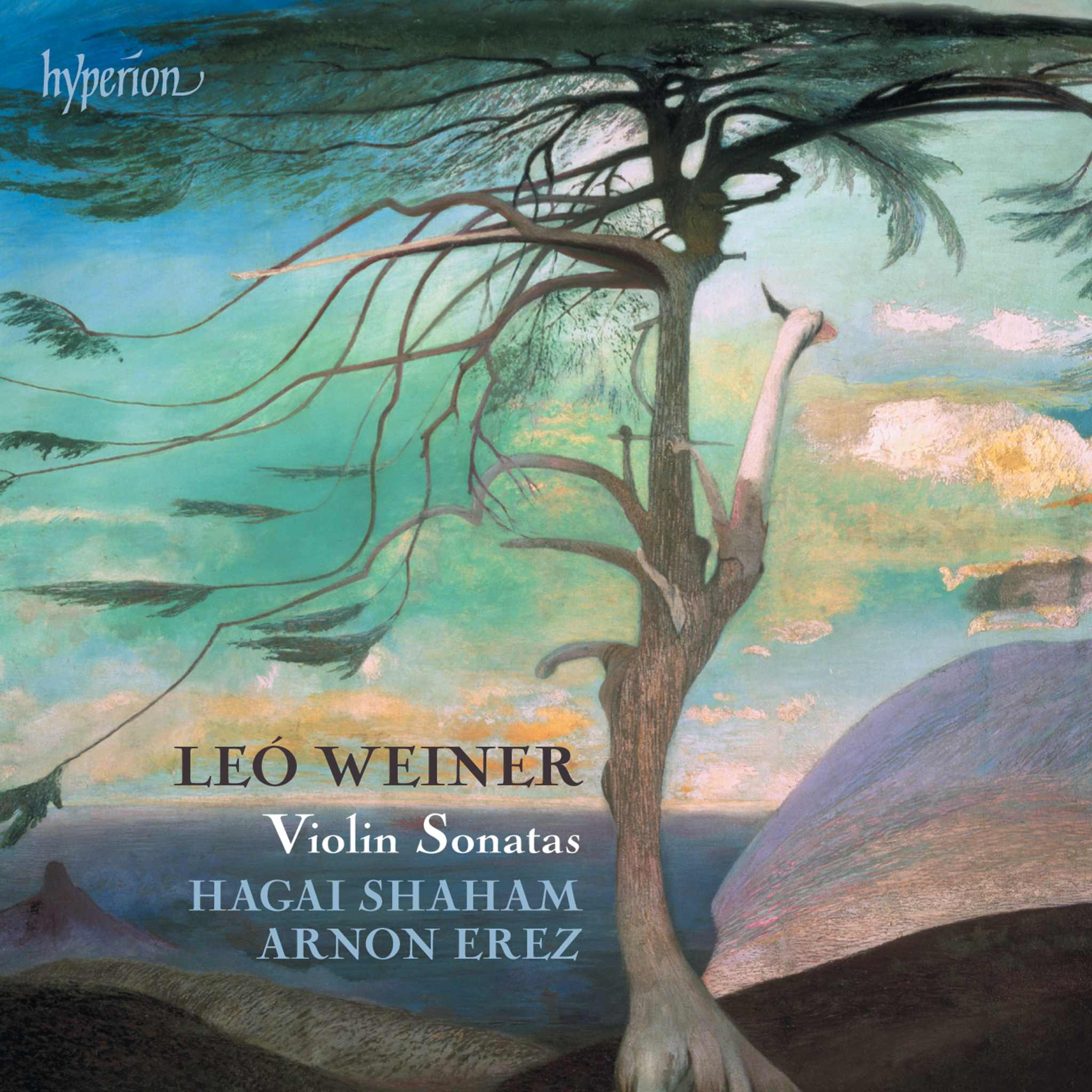
Among his notable works are his two violin sonatas, which have gained recognition for their melodic richness and rhythmic vivacity. These sonatas are a testament to Weiner's mastery of the violin and his deep understanding of the instrument's capabilities.
Daniel Hope and Zürcher Kammerorchester: Elevating Weiner's Works
The performances of Weiner's violin sonatas by Daniel Hope and the Zürcher Kammerorchester have played a significant role in bringing his works to a global audience. Their interpretations have been praised for their precision, passion, and profound understanding of Weiner's musical language.
Featuring Andreas Ottensamer’s Contributions
Andreas Ottensamer, another prominent figure in the world of classical music, has also made significant contributions to the interpretation and performance of Weiner's works. His performances have helped to further popularize Weiner's music and bring it to new audiences.
A Special Mention: Hagai Shaham and Arnon Erez
Hagai Shaham and Arnon Erez deserve special mention for their performances of Weiner's works. Their interpretations have been praised for their sensitivity, technical skill, and deep understanding of Weiner's musical language. Through their performances, they have helped to ensure that Weiner's music continues to be appreciated by audiences worldwide.
Educational Influence and Prominent Students
Weiner’s impact as a pedagogue is perhaps unrivaled in Hungarian music. Appointed as a music theory teacher in 1908, rising to professor of composition in 1912, and then professor of chamber music in 1920 at the Budapest Academy of Music, he continued teaching until the end of his life—even after becoming emeritus in 1949. His students included several international luminaries, such as conductors Antal Doráti, Peter Erős, Georg Solti, violinist Tibor Varga, cellists Edmund Kurtz, János Starker, and pianist György Sebők.
Honors and Recognition
Throughout his career, Weiner received significant acclaim. His honors include the Franz Liszt Stipend, Volkmann Prize, and Erkel Prize—all for his Serenade Op. 3, as well as the Haynald Prize for Agnus Dei and the Schunda Prize.