
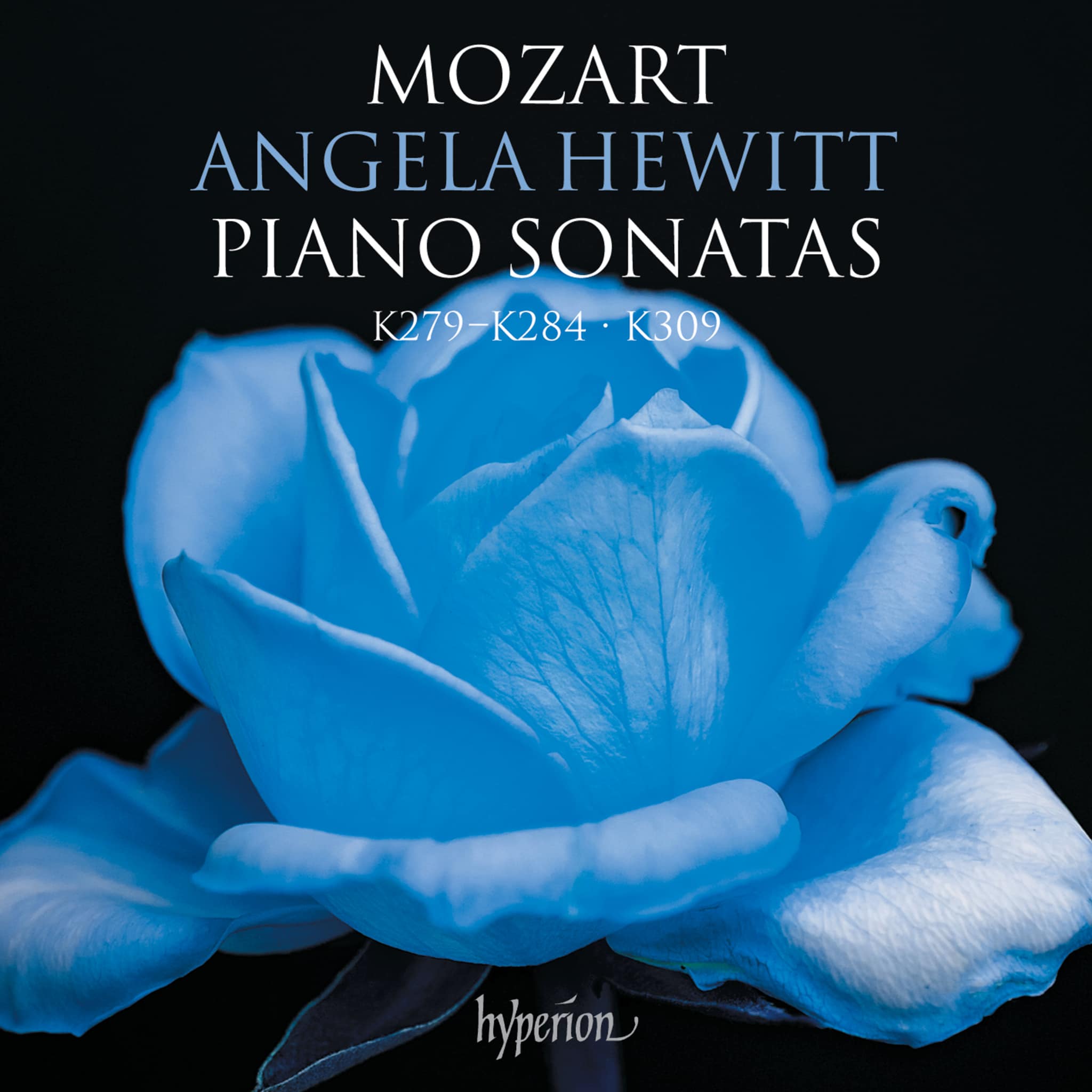

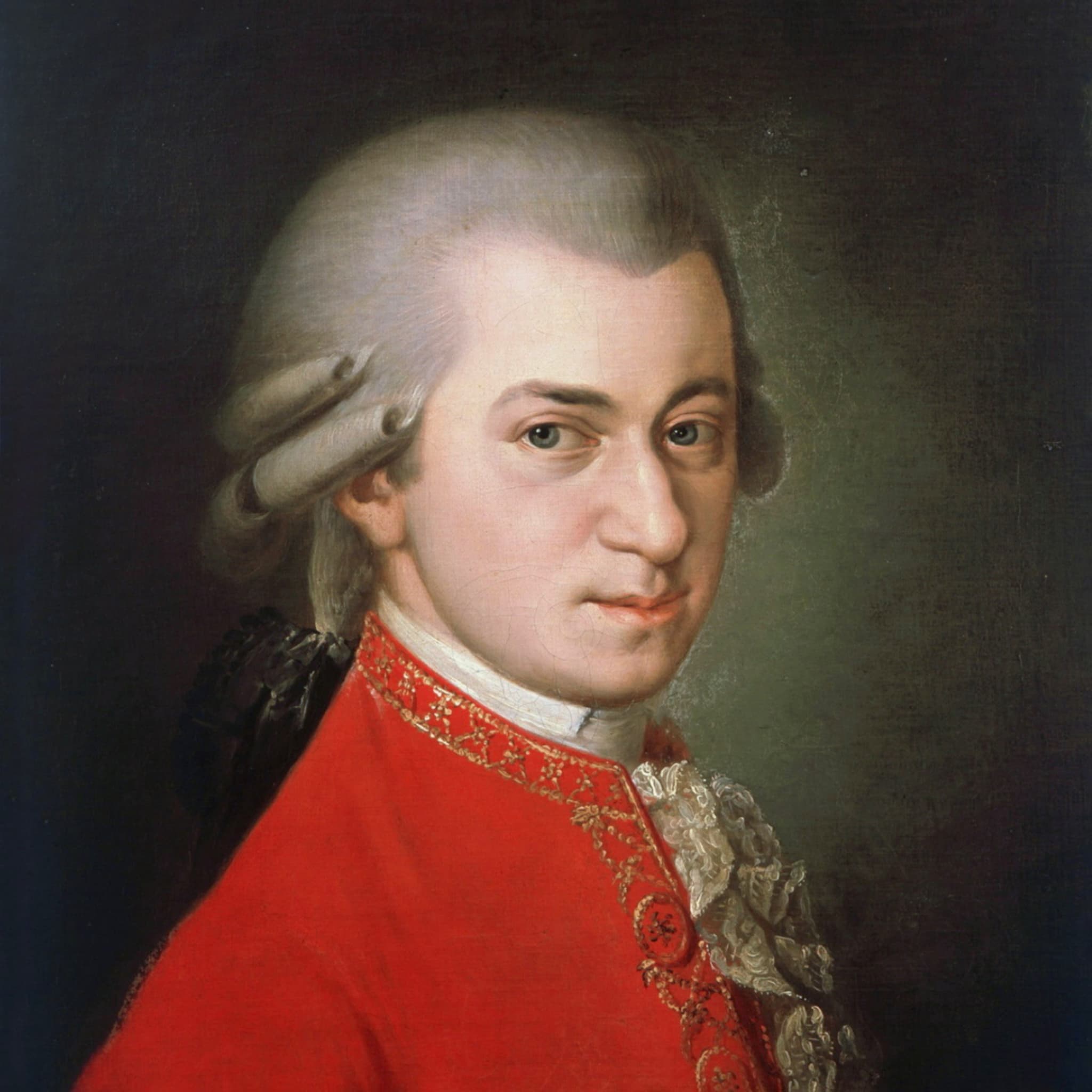



Es erscheint verwunderlich, dass Mozart trotz seiner frühen Konzertkarriere als Tastenwunder erst mit 18 Jahren seinen ersten Zyklus von Klaviersonaten (KV 279 bis 284) in den Jahren 1774/75 in Salzburg und München komponierte. Zuvor hatte er sich hauptsächlich mit 'begleiteten Sonaten' für Tasteninstrument mit Violine oder auch mit Violoncello beschäftigt, die wir heute als Violinsonaten oder Klaviertrios bezeichnen würden.
Während seiner Italienreisen stand der Opernkomponist im Vordergrund, in Salzburg wirkte er vorwiegend als Geiger und Orchesterkomponist. Ab 1772 leitete er die Hofkapelle als Konzertmeister von der ersten Geige aus. Dem Umstand, dass er sich als Klavierspieler nur außerhalb hören lassen konnte, verdanken wir vermutlich seine ersten sechs Klaviersonaten.
Im Sommer 1774 erhielt Mozart die ehrenvolle Einladung, für den Münchner Fasching die Opera buffa 'La finta giardiniera' zu komponieren. Da der bayerische Kurfürst ihn bereits seit seinen Kindertagen als virtuosen Cembalisten schätzte, nutzte Mozart die Gelegenheit, diesen Eindruck zu vertiefen. Für die bevorstehende Münchner Reise schrieb er einen Zyklus von Klaviersonaten, den er an der Isar mit der sogenannten 'Dürnitzsonate' KV 284 abschloss. Diese Werke gelten als ausgesprochene Konzertsonaten und wurden in der Familie Mozart als 'die schweren Sonaten' bezeichnet.
Bemerkenswert ist auch die Klaviersonate a-Moll KV 310 aus dem Jahr 1778, Mozarts erste Sonate in einer Moll-Tonart. Mit ihrem leidenschaftlichen, ja dramatischen Charakter nimmt sie eine einzigartige Stellung ein. Der damals 22-jährige Mozart komponierte sie mit enormer kompositorischer Stringenz, klarem Notentext und innovativen Klangeffekten während seiner Reise nach Paris. Oft wird die Entstehung dieses dreisätzigen Werkes mit dem Tod seiner Mutter in Verbindung gebracht, die auf dieser Reise in Paris verstarb.
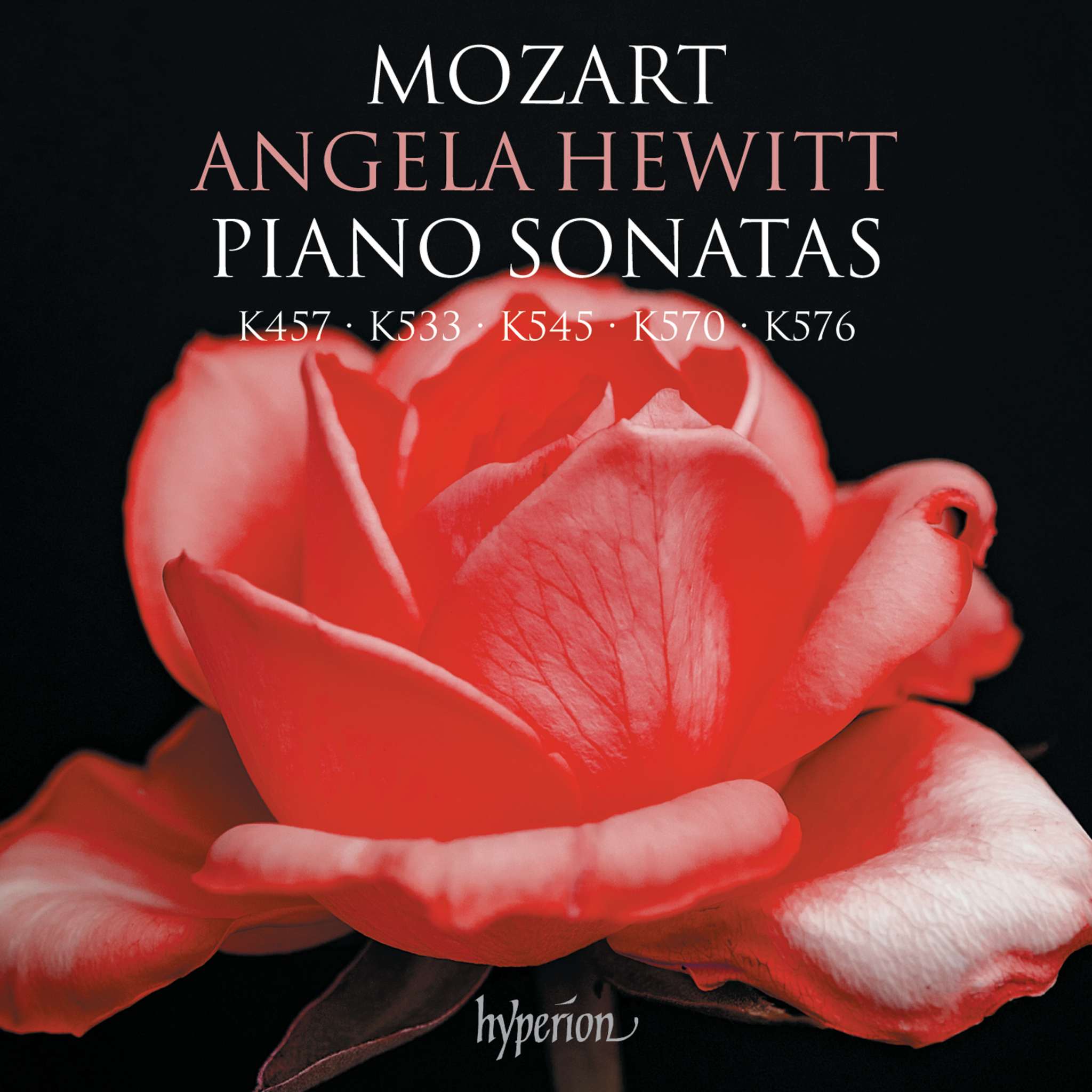
Mozart schätzte beim Klavierspiel eine leichte Hand; Akzente sollten mit der Hand statt mit dem Arm markiert werden, und Passagen sollten 'fort fließen wie Öl'. Diese Spielweise befeuert nicht nur seine frühen Sonaten, sondern auch reife Werke wie das c-Moll-Doppel aus Fantasie und Sonate, KV 475 und 457.
Interessant ist auch die Entstehung der Sonate Nr. 16 C-Dur (Sonata facile, KV 545), die Mozart 1788 in Wien komponierte. Sie wurde zunächst als 'Eine kleine klavier Sonate für anfänger' bezeichnet und in der Erstausgabe 1805 dann als 'Sonate facile' betitelt. Vermutlich wollte Mozart durch den Verkauf von Werken für Anfänger Einnahmen erzielen, da er zu dieser Zeit finanzielle Schwierigkeiten hatte. Allerdings veröffentlichte er die Sonate zu Lebzeiten nicht mehr. Er sandte das Werk am 2. August 1788 zusammen mit anderen Kompositionen in einem seiner letzten Briefe an seine Schwester. Erst 1805, vierzehn Jahre nach seinem Tod, wurde die Sonate erstmals in einem Wiener Verlag publiziert.