






Russian writers and artists uniquely blend narrative traditions with modern storytelling techniques. Russian literary history boasts significant authors who combined lyrical descriptions of nature with sharp social criticism in their works. Their stories and novellas are characterized by realism and folk elements, while often revealing symbolist traits.
The use of colloquial language and dialectal inflections is noteworthy, allowing Russian authors to expand the literary language and authentically portray the everyday lives of ordinary people. The so-called "skaz," an oral storytelling style in peasant vernacular, is considered a distinctive quality of Russian literature.
Many Russian artists have explored historical themes from their homeland. From peasant uprisings to the Napoleonic Wars of 1812, these events have inspired not only writers like Leo Tolstoy but also numerous painters to create significant works. In their depictions, they often combined personal perspectives with historical accuracy.
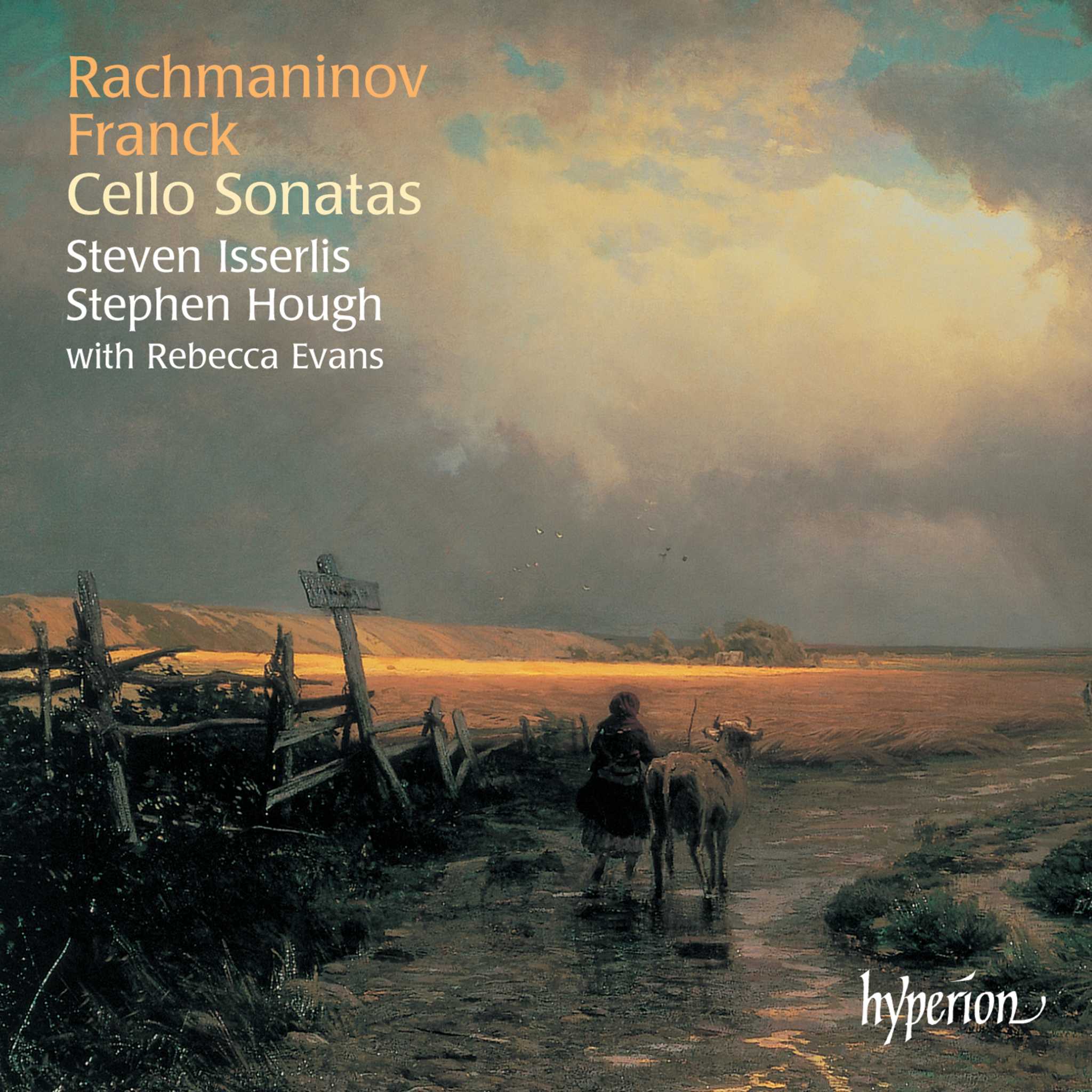
Russian narrative art encompasses a range of moods and emotional nuances—from mystical elements to realistic depictions of rural life. Authors like Bunin described with precision and empathy the fate of the oppressed peasantry and impoverished landowners, earning him the nickname "Poet of the Village." In autobiographical stories such as "Sukhodol," he painted vivid pictures of the decline of the Russian landed gentry as a consequence of fractured family relationships.