
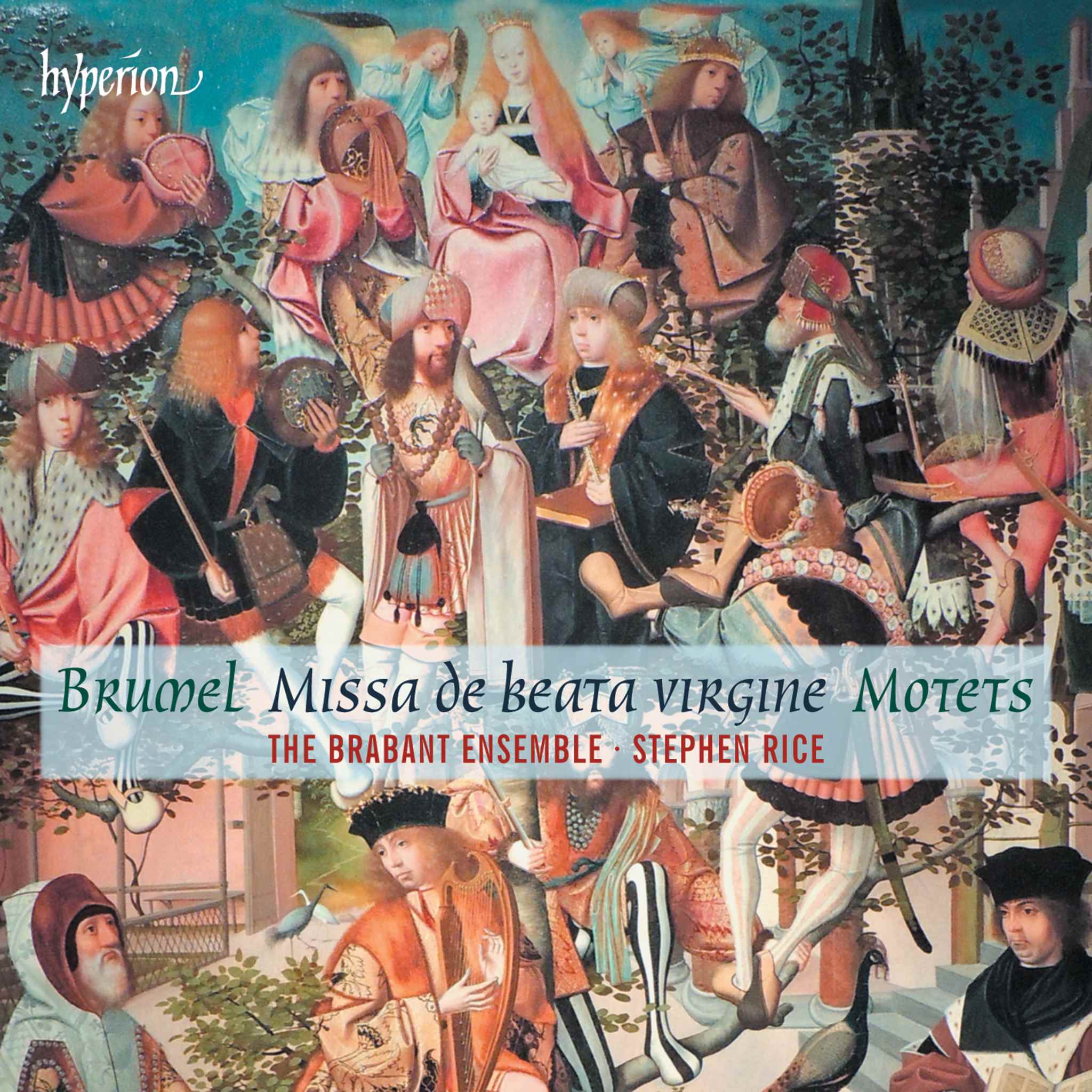





Antoine Brumel Antoine Brumel (c. 1460–1512/13) achieved fame with his composition 'Missa Et ecce terrae motus', also known as the 'Earthquake Mass'. This extraordinary work for twelve voices captivates with its energetic rhythm and the frequent repetition of small motivic elements. Apart from this, only a few other pieces by Brumel have survived. His approach to shaping the vocal parts differed significantly from that of his contemporaries and resulted in distinctive rhythmic structures. Brumel's music also reveals a profound spiritual depth.
Initially, Brumel worked as a singer before assuming positions as choirmaster and priest. He served at several cathedrals and was employed in cities such as Paris, Geneva, Chambéry, and Ferrara. Little is known about his life after 1510. The Christmas motet 'Nato canunt omnia' is considered a significant work from the transitional period between the 15th and 16th centuries and exemplifies Brumel's compositional skills.
With the motet 'Beata es, Maria', based on a Lauda spirituale, Brumel combines Franco-Flemish counterpoint with Italian elements, creating an expressive synthesis. The sequence 'Lauda Sion salvatorem' musically interprets the reforms of the Council of Trent and emphasizes the sacred character of the consecrated host.
The work 'Ave caelorum domina' is dedicated to the praise of Mary and incorporates Marian tropes in its text. Brumel's Mass 'Missa de beata virgine' is particularly distinguished by its consistent adherence to the cantus planus. The characteristic, dynamic, and almost percussive rhythm lends Brumel's compositions a unique sound.