





The 1733-34 season marked the end of Handel's five-year lease with the Second Academy at the King's Theatre, Haymarket. The Royal Academy of Music had already been dissolved, while the Opera of the Nobility emerged as a rival. To stay ahead of Porpora, Handel began the season early, focusing on pasticcios featuring arias by Vinci and Hasse. In addition to revivals, he composed two new works, with Arianna in Creta being particularly successful.
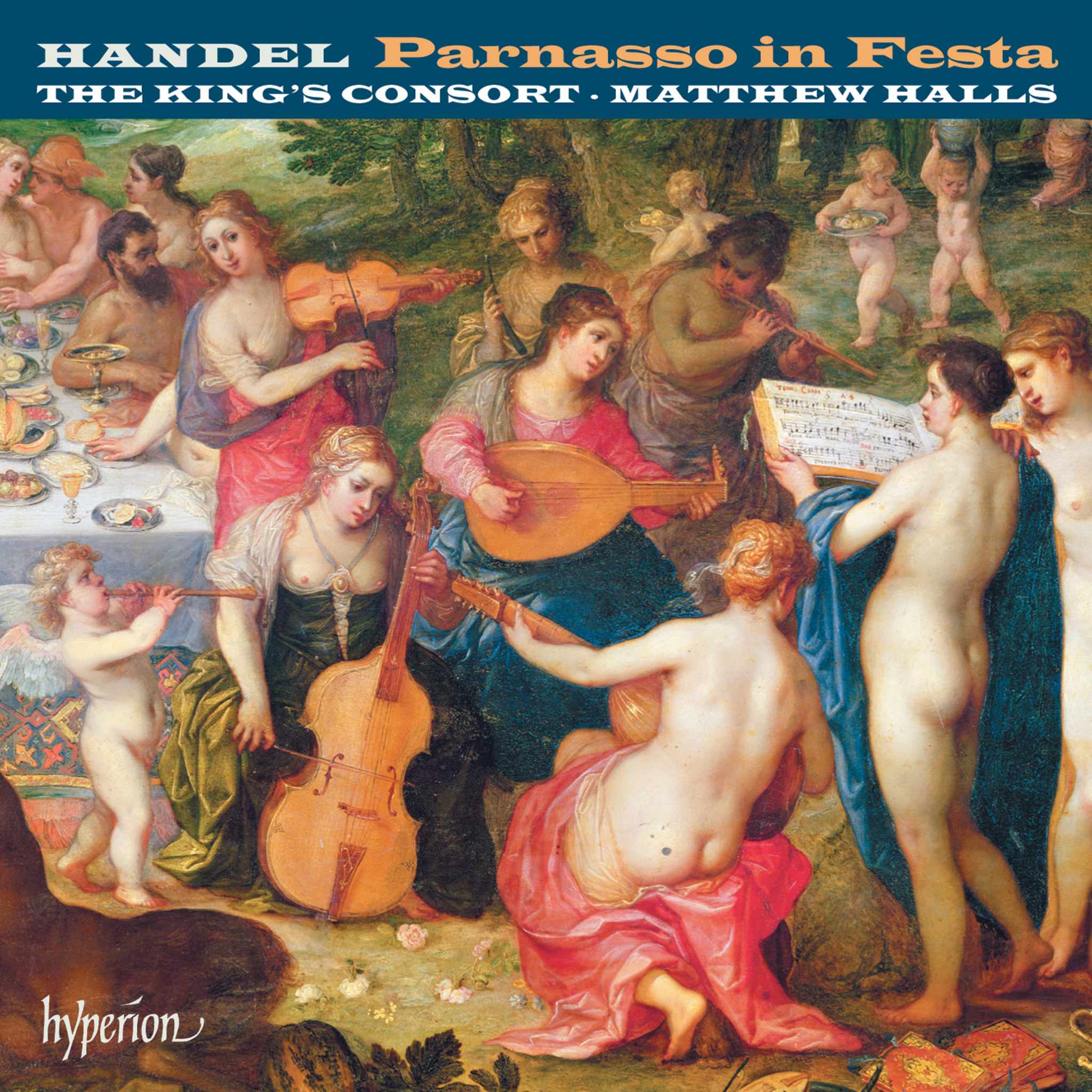
For the wedding of Princess Anne to Prince William of Orange, Handel composed the serenata Parnasso in Festa. While the rivalry between the operatic companies influenced artistic output, Handel's music remained a constant presence at royal festivities. The serenata explores themes of Parnassus and various ancient myths, including the Orpheus story. The religious wedding ceremony of Anne and William further evoked these mythological love stories.
For the wedding of Princess Anne and William, Handel composed the serenata Parnasso in Festa. In the opera Parnasso in Festa, Handel's talent for musically expressing diverse moods and characters was evident. The meticulous coordination between singers, musicians, and the work itself was reflected in the casting and instrumentation. Through Handel's ceremonial music, the audience enjoyed a multifaceted experience of harmonic and artistic quality. The appreciation of the serenata by contemporaries and later critics underscores its artistic significance.
As part of important royal festivities, the serenata was performed again later on. Both the music and the staging impressed audiences and highlighted Handel's compositional mastery. Although occasionally criticized, Parnasso in Festa enjoyed a certain popularity and is still appreciated today for its entertaining libretto and vibrant music.