
コンサートとオペラ


アルバム


関連コンテンツ




詳しく見るルチアーノ・パヴァロッティ

ルチアーノ・パヴァロッティの名は、その並外れたキャリアのほとんどの期間、世界中で知られており、今日に至るまでその名を馳せています。この偉大なテノールが世界に与えた影響は計り知れません。彼の感動的な歌声と、クラシック音楽の視野を広げ、その芸術に数えきれないほどの新しいファンをもたらした彼の唯一無二の個性は、世界中の数えきれない人々を魅了し続けています。
ルチアーノ・パヴァロッティは40年以上にわたりデッカの専属アーティストでした。彼はレコード史上で最も人気のあるクラシックアーティストであり続けています。
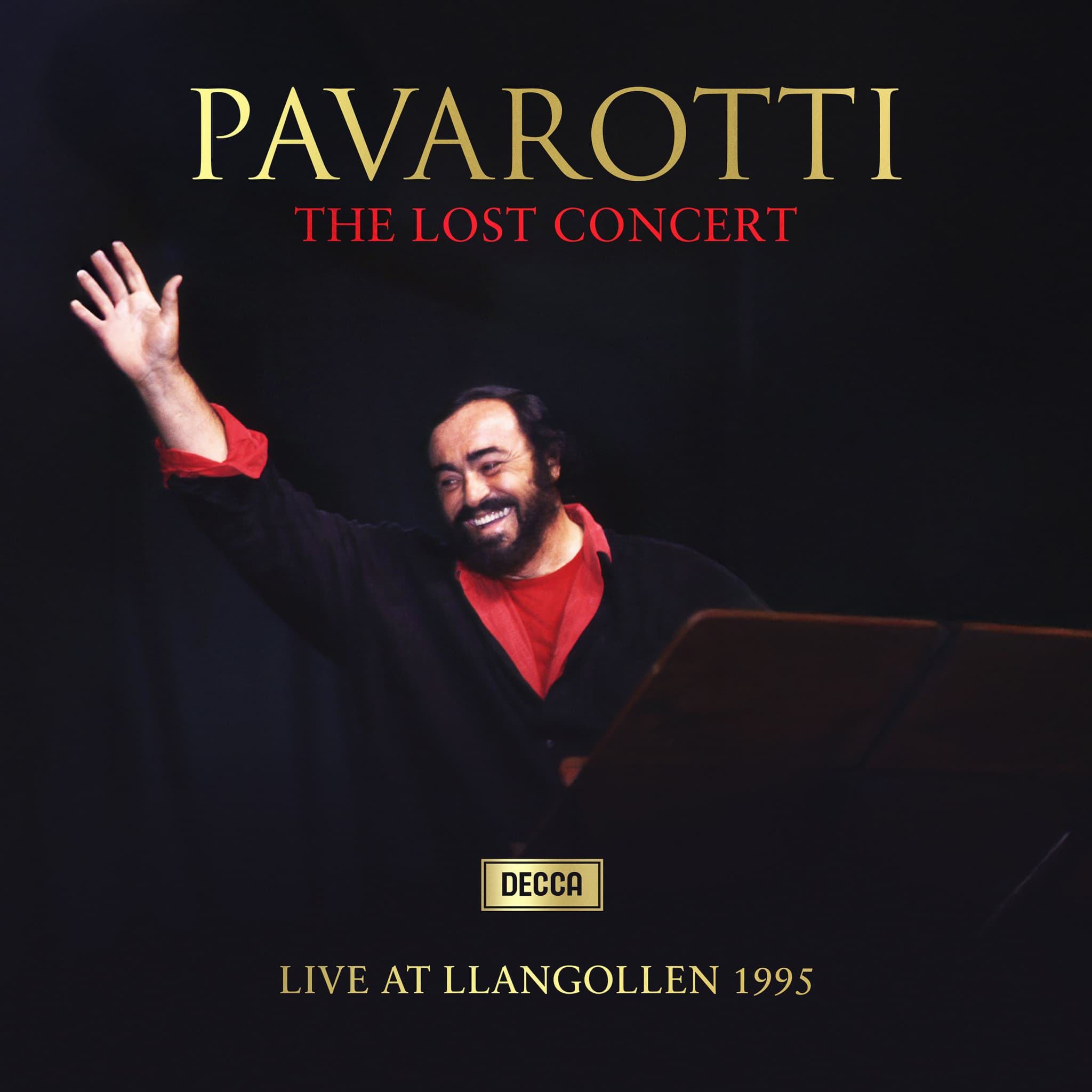
1935年にイタリアのモデナで生まれたルチアーノ・パヴァロッティは、父親のフェルナンドもメンバーだった故郷の合唱団で初めて音楽を経験しました。ティーンエイジャーのパヴァロッティと彼の父親は、合唱団と共にウェールズを訪れ、ラングレン国際歌唱コンクールで1位を獲得しました。この経験が、若いパヴァロッティのテノール歌手としての人生への音楽的野心を掻き立てました。彼はまず教師としての訓練を受けましたが、その後、アリーゴ・ポーラに師事し、次にエットレ・カンポガリアーニに師事した後、1961年に権威ある国際コンクールで優勝し、同年、テアトロ・レッジョ・エミリアで「ラ・ボエーム」のロドルフォ役でオペラデビューを果たしました。パヴァロッティはすぐにイタリアのオペラ界に感銘を与え、イタリア全土の歌劇場から出演依頼を受けました。非常に短い期間で彼は国際的に求められるようになり、イタリア国外ではベオグラードで「椿姫」に出演してデビューしました。
パヴァロッティの同僚には、モンセラート・カバリエ、ピエロ・カプッチッリ、ホセ・カレーラス、フィオレンツァ・コッソット、プラシド・ドミンゴ、ミレッラ・フレーニ、キリ・テ・カナワ、アプリル・ミロ、ロバート・メリル、シェリル・ミルンズ、レオンタイン・プライス、レオニー・ライザネック、レナータ・スコット、ジョーン・サザーランド、キャロル・ヴァネス、シャーリー・ヴェレットなど、最も有名なオペラスターが名を連ねていました。彼はトゥリオ・セラフィン(1962年にパレルモでパヴァロッティの最初の「リゴレット」公演を指揮)、クラウディオ・アバド、レナード・バーンスタイン、リチャード・ボニング、リッカルド・シャイー、カルロス・クライバー、ランベルト・ガルデッリ、カルロ・マリア・ジュリーニ、ヘルベルト・フォン・カラヤン、ジェームズ・レヴァイン、ロリン・マゼール、レオーネ・マギエラ、ズービン・メータ、リッカルド・ムーティ、ユージン・オーマンディ、小澤征爾、ゲオルグ・ショルティといった指揮者たちと共演しました。ルチアーノ・パヴァロッティがキャリアの中で出演した主要な歌劇場には、メトロポリタン歌劇場(ニューヨーク)、バスティーユ(パリ)、ドイツ・オペラ(ベルリン)、フェニーチェ劇場(ヴェネツィア)、ガルニエ宮(パリ)、グラインドボーン、ロイヤル・オペラ・ハウス・コヴェント・ガーデン(ロンドン)、サン・カルロ(ナポリ)、スカラ座(ミラノ)、ウィーン国立歌劇場、テアトロ・コロン(ブエノスアイレス)、さらにバルセロナ、シカゴ、フィレンツェ、ハンブルク、マドリード、マイアミ、モンテカルロ、フィラデルフィア、ローマ、ザルツブルク、サンフランシスコ、シドニー、トリノ、チューリッヒの歌劇場が含まれます。
ルチアーノ・パヴァロッティは、北米、南米、アジア、オーストラリア、ヨーロッパ、中東、南アフリカのコンサートホール、アリーナ、スタジアムで公演を行いました。主要な国際的なコンサート会場には、ニューヨークのマディソン・スクエア・ガーデン、ロンドンのウェンブリー・スタジアム、ベルリンとバルセロナのオリンピックスタジアム、ハリウッド・ボウル、フランスのオランジュにあるローマ劇場などがありました。ロンドンのハイドパークでは、1991年にチャールズ皇太子とダイアナ妃、ジョン・メージャー首相を含む15万人以上の観客が、豪雨にもかかわらず、その喜びを損なうことはありませんでした。1993年6月には、パヴァロッティはニューヨークのセントラルパークで50万人以上の観客の前で歌い、さらに数百万人が世界中でテレビ中継されたコンサートを視聴しました。パリのエッフェル塔でのパヴァロッティのコンサートには30万人以上が集まりました。彼は友人であるホセ・カレーラスとプラシド・ドミンゴと共に、世界中で三大テノールコンサートに出演しました。
パヴァロッティは、以下のオペラの主要なテノール役と永遠に結びつけられるでしょう。「アイーダ」、「仮面舞踏会」、「ラ・ボエーム」、「愛の妙薬」、「連隊の娘」、「椿姫」、「蝶々夫人」、「マノン・レスコー」、「道化師」、「リゴレット」、「トスカ」、「イル・トロヴァトーレ」、「トゥーランドット」。彼の録音は常にベストセラーであり、オペラ録音には「アイーダ」、「ラ・ボエーム」、「カヴァレリア・ルスティカーナ」、「アンドレア・シェニエ」、「ドン・カルロ」、「愛の妙薬」、「エルナーニ」、「連隊の娘」、「ノルマ」、「清教徒」、「夢遊病の女」、「ランメルモールのルチア」、「マリア・ストゥアルダ」、「メフィストフェレ」、「ラ・ファヴォリータ」、「友人フリッツ」、「マノン・レスコー」、「道化師」、「イドメネオ」、「ロンバルディア人」、「マクベス」、「ルイザ・ミラー」、「オテロ」、「リゴレット」、「トスカ」、「椿姫」、「イル・トロヴァトーレ」、「ウィリアム・テル」が含まれます。パヴァロッティはヴェルディの「レクイエム」とロッシーニの「スターバト・マーテル」を録音しました。彼のディスコグラフィーには、リサイタル、アリア、ナポリ民謡、イタリア歌曲、そして常に人気のクリスマス定番曲「オー・ホーリー・ナイト」を含む多くのソロCDがあり、これらもすべてベストセラーとなりました。「エッセンシャル・パヴァロッティ」は、英国ポップチャートで史上初のクラシックアルバムとして1位を獲得し、前例のない5週間にわたってその座を維持しました。1990年のワールドカップ以来、「誰も寝てはならぬ」はパヴァロッティとサッカーの両方と切り離せない関係にあります。
ルチアーノ・パヴァロッティは若い歌手の育成に尽力し、フィラデルフィアで国際歌唱コンクールを設立し、多くの歌手のキャリアを支援しました。キャリア25周年を記念して、パヴァロッティはコンクール優勝者をイタリアでの「ラ・ボエーム」のガラ公演に招待しました。その後、歴史的な中国訪問が続き、北京で若い歌手たちと共にオペラが上演されました。滞在の締めくくりとして、パヴァロッティは人民大会堂で初のコンサートを開催しました。親しい友人であり同僚である指揮者兼ピアニストのレオーネ・マギエラと共に、テノール歌手はモデナに若い声楽学生のための重要な教育機関を設立しました。
このテノール歌手は馬術の専門家としても広く知られており、最も重要な国際障害飛越競技会の一つであるパヴァロッティ・インターナショナルを主催しました。このイベントと同時に、パヴァロッティは故郷で世界的に有名な毎年恒例のチャリティコンサート「パヴァロッティ&フレンズ」を開催しました。この偉大なテノール歌手は、ブライアン・アダムス、アナスタシア、ジョン・ボン・ジョヴィ、ボーイゾーン、ジェームス・ブラウン、ジョージ・ベンソン、U2のボノとジ・エッジ、マライア・キャリー、トレイシー・チャップマン、ザ・チーフタンズ、エリック・クラプトン、ジョー・コッカー、ナタリー・コール、ザ・コーズ、シェリル・クロウ、ルーチョ・ダッラ、セリーヌ・ディオン、ブライアン・イーノ、グロリア・エステファン、ユーリズミックス、ボブ・ゲルドフ、エンリケ・イグレシアス、エルトン・ジョン、グレース・ジョーンズ、トム・ジョーンズ、B.B.キング、リッキー・マーティン、ジョン・マクラフリン、ミート・ローフ、ジョージ・マイケル、ライザ・ミネリ、エロス・ラマゾッティ、ライオネル・リッチー、スパイス・ガールズ、スティング、バリー・ホワイト、スティーヴィー・ワンダー、ズッケロといったロック、ポップ、ジャズの有名スターを含む、さまざまな音楽分野のアーティストを集めました。これらのチャリティコンサートは、ボスニア、カンボジア、コソボ、グアテマラ、リベリア、チベット、そしてパキスタンのアフガニスタン難民キャンプにおける重要な保健、職業、教育イニシアチブのために数百万ドルを集めました。2003年のコンサートは、イラクからの難民のために200万ドルを集めました。
ルチアーノ・パヴァロッティは、イタリア共和国功労勲章、数々のエミー賞、グラモフォン賞、グラミー賞(1998年のグラミー「レジェンド・アワード」など)を含む多くの国際的な賞を受賞し、レジオンドヌール勲章オフィシエ、ミュージックケアーズ・パーソン・オブ・ザ・イヤーに選ばれました。さらに、フィラデルフィア舞台芸術大学、ピッツバーグ大学、オクラホマシティ大学、パルマ大学、ウルビーノ大学、ペルーのサン・マルティン・リマ大学から名誉博士号を授与され、パリ市賞(ジャック・シラクから授与)、ピープルズ・チョイス・アワード、オーストリア文化大臣による宮廷歌手の称号も受賞しました。1998年には、ニューヨーク市長のルディ・ジュリアーニが、メトロポリタン歌劇場でのテノール歌手の30周年を記念して「ルチアーノ・パヴァロッティ・デー」を宣言しました。パヴァロッティは当時の国連事務総長コフィ・アナンによって国連平和大使に任命され、2001年にはUNHCR(国連難民高等弁務官事務所)から、国連難民支援のための募金活動(他のどの個人よりも高額)を評価され、切望されたナンセン賞を受賞しました。2001年11月には、元ソ連大統領ゴルバチョフがウィーンでルチアーノ・パヴァロッティにワールド・ソーシャル・アワードを授与し、同年後半にはケネディ・センター名誉賞も受賞しました。2004年には、アイゼンハワー・メダルと、NIAF(全米イタリア系アメリカ人財団)によるイタリア系アメリカ人殿堂入りという、米国におけるイタリア系コミュニティの最高栄誉を受賞しました。2007年9月4日、イタリア文化大臣は、イタリアの文化と芸術を世界に広める上での多大な貢献を称え、パヴァロッティに「プレミオ・エッチェレンツァ・ペル・ラ・クルトゥーラ」を授与しました。
2004年3月、ルチアーノ・パヴァロッティはニューヨークのメトロポリタン歌劇場でのオペラ公演に最後に出演しました。彼の最後の公衆の面前での出演は、2006年トリノ冬季オリンピックの開会式でした。
マエストロ・ルチアーノ・パヴァロッティは2007年9月6日、モデナの自宅で亡くなりました。
更新日:2013年9月