






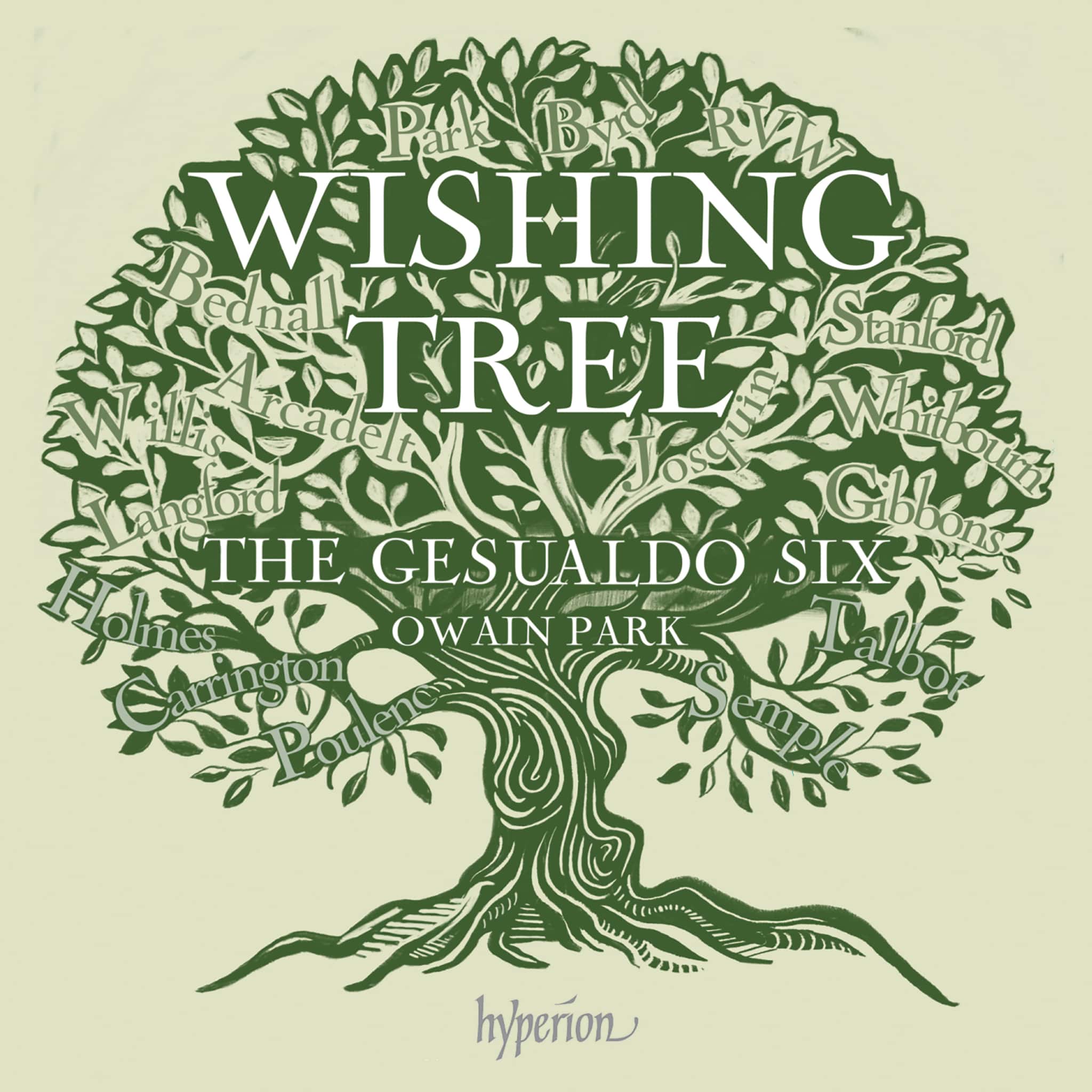


Ralph Vaughan Williams: A Glimpse into the Life and Works of a British Composer
Ralph Vaughan Williams (1872–1958) is one of the most influential British composers of the 20th century. Known for creating a distinct English musical voice that broke away from the Germanic traditions of the period, his career spanned over sixty years. During this time, he produced an extraordinary range of music—from symphonies and orchestral pieces to ballets, choral works, chamber music, and film scores.
Artistic Background and Influences
Vaughan Williams was born in Down Ampney, Gloucestershire, and raised at Leith Hill Place in Surrey. His formal education included Charterhouse School, Trinity College, Cambridge, and the Royal College of Music. He was a pupil of Charles Stanford and Hubert Parry at the Royal College of Music, and also studied with Max Bruch in Berlin and Maurice Ravel in Paris. This exposure to both English and European traditions allowed him to blend modal elements and rhythmic freedom, crafting music that felt personal yet quintessentially English.
A key turning point in his career was his immersion in English folk music and Tudor-era music, which he began collecting and studying around 1903. This deep engagement led to a style characterized by modal harmonies, lyricism, and rhythmic inventiveness, leading to music that resonated with both amateurs and professionals.
Enchanting Vaughan Williams: Symphonies and Choral Works
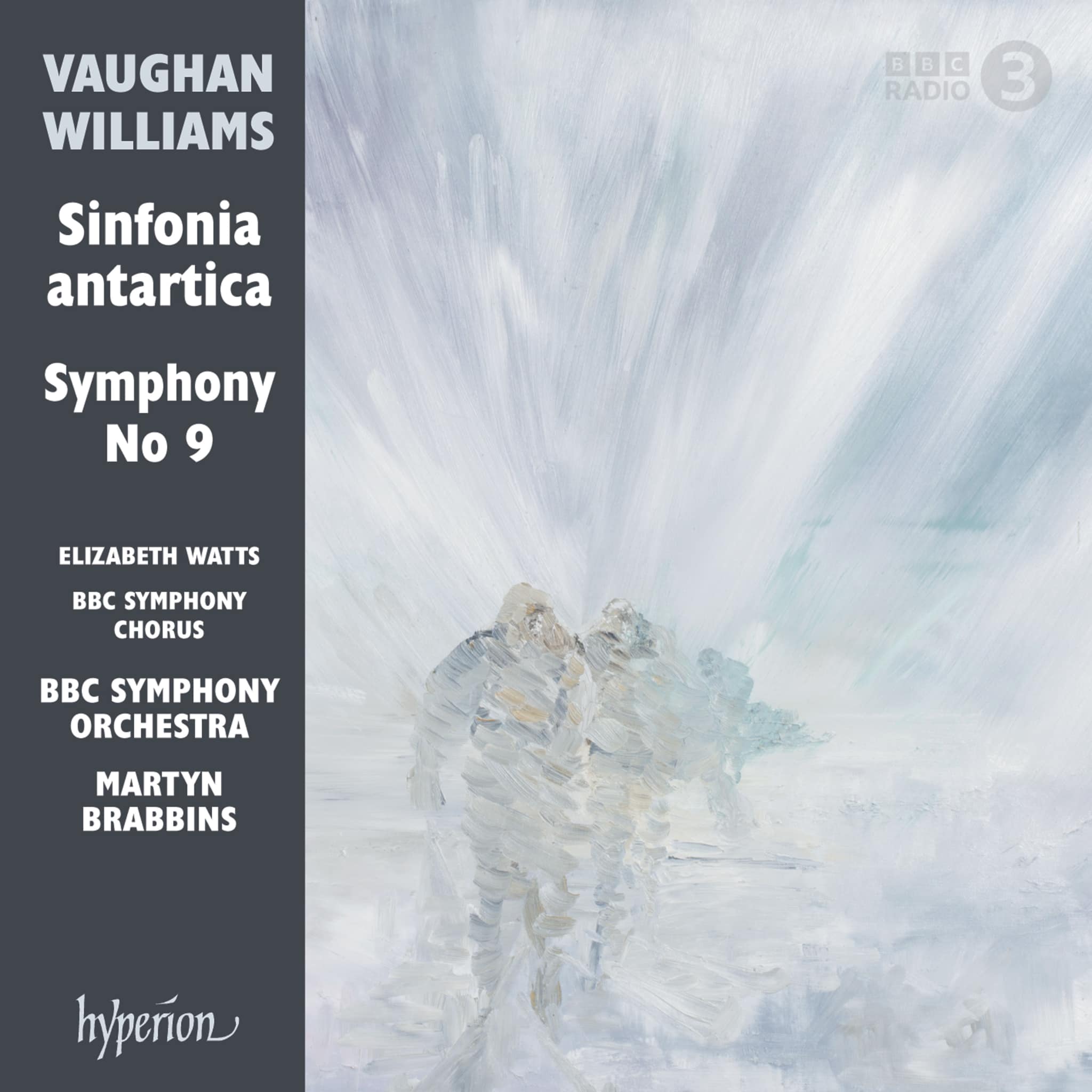
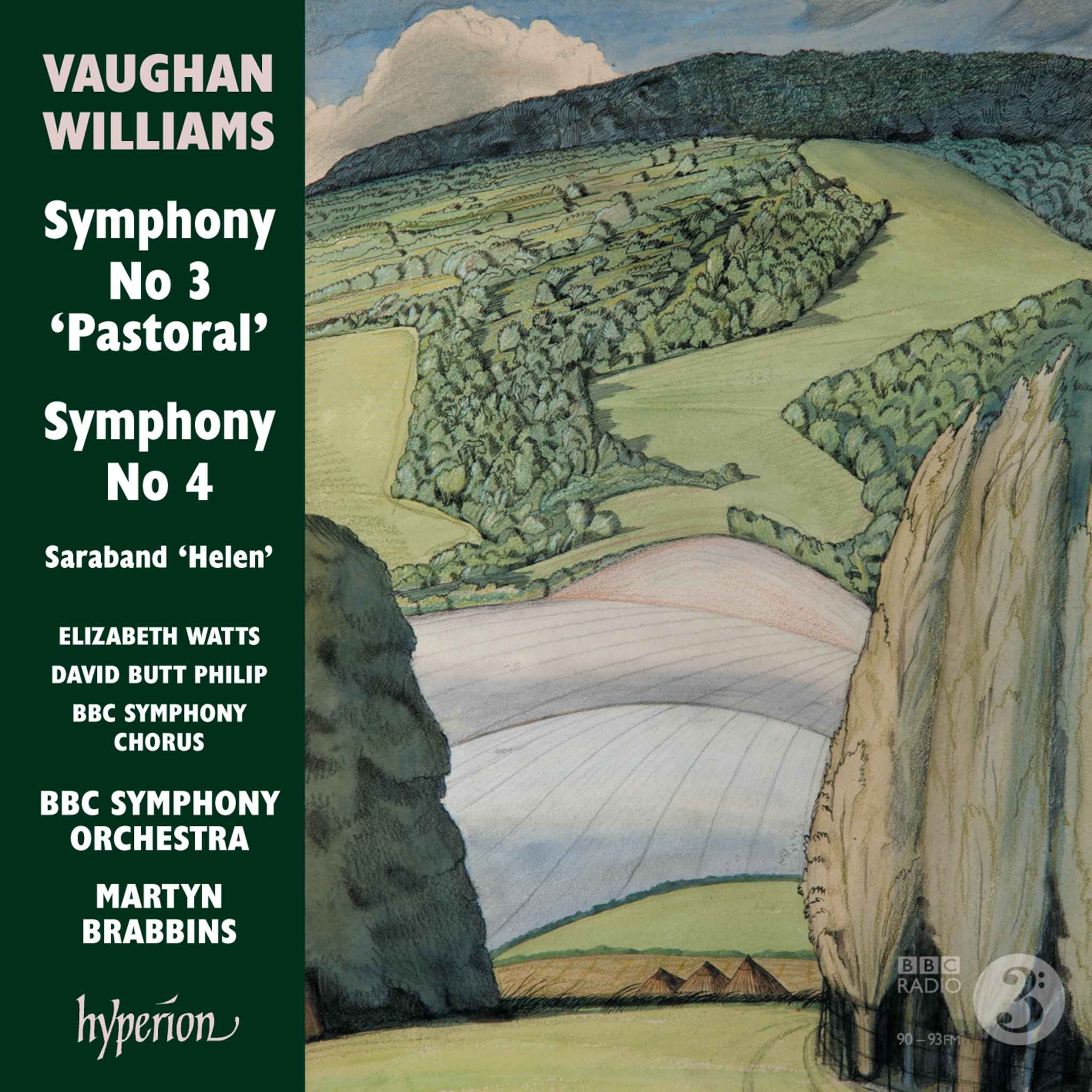
Vaughan Williams is celebrated for his wide-ranging output. Some of his most enduring works include orchestral masterpieces such as "Fantasia on a Theme by Thomas Tallis" (1910) and "The Lark Ascending" (1914). The former is a profound, atmospheric work drawing on English Renaissance music, while the latter is a lyrical piece for violin and orchestra that remains one of the English-speaking world's favorite classical pieces. He also composed nine symphonies (1909–1957), which encompass a broad emotional spectrum from pastoral tranquility to wartime dissonance and profound introspection.
Exploring Vaughan Williams's Unforgettable Melodies
In addition to his symphonies, Vaughan Williams also composed eight works for stage performance between 1919 and 1951. These works, which include ballets and other forms of performance, further demonstrate his versatility as a composer. His work on "The English Hymnal," where he composed "Sine Nomine," is another testament to his unique ability to blend traditional and contemporary elements in his music.