



Exploring the Artistic Prowess of Francesco Cavalli
Francesco Cavalli (1602–1676), born Pietro Francesco Caletti-Bruni, was a pivotal composer of the early Baroque period. His works are renowned for their profound spirituality and intricate craftsmanship, making them a fascinating exploration into the style and sensibilities of the Baroque period. Cavalli’s music, especially his operas and significant sacred music output, showcase his unique ability to evoke deep emotions using a variety of musical expressions.
Cavalli’s Historical Significance
Cavalli succeeded Claudio Monteverdi as the leading opera composer in Venice and was a prominent figure in Venetian musical life. His works, including operas such as Ormindo (1644), Giasone (1649), and La Calisto (1651), propose an interesting mix of dexterity and creative ingenuity. Cavalli also wrote extensively for the church, including mass settings, psalms, and other sacred works. His service at St. Mark's Basilica in Venice in various capacities, ultimately reaching the position of maestro di cappella, significantly influenced his sacred music style.
Messa Concertata and its Place in Cavalli's Oeuvre
The Messa Concertata, like other works on this album, exemplifies the Venetian tradition of grand, polychoral sacred music. It blends innovative textures and rich harmonies, and is characterized by dramatic expressivity and contrasts, elements honed through Cavalli's operatic experience. These concertato-style masses were designed for large-scale liturgical settings, often employing soloists, choirs, and diverse instruments in intricate interplay.
Seicento, The Parley of Instruments, and Peter Holman
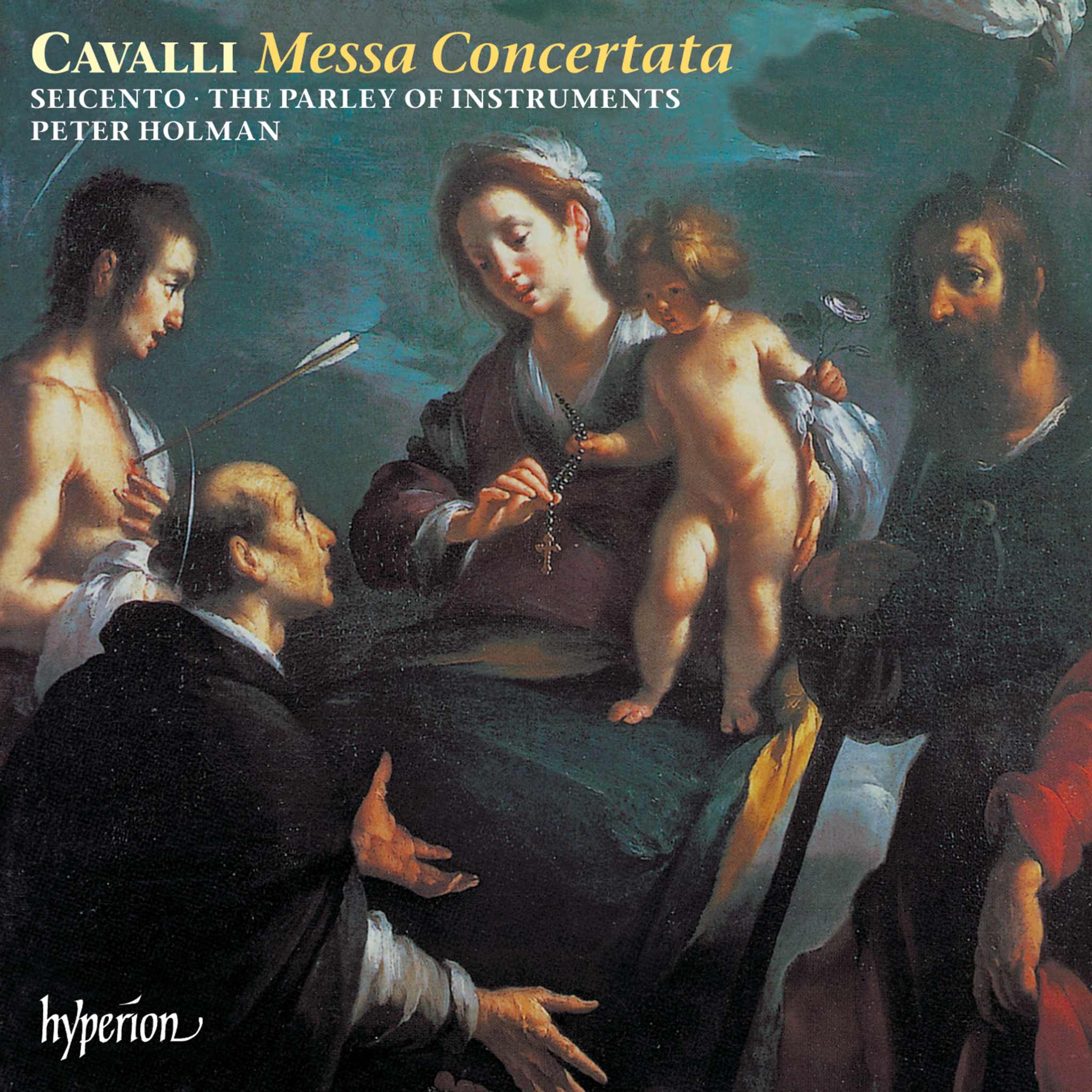
The album "Cavalli: Messa Concertata & Other Works," featuring Seicento, The Parley of Instruments, and conductor Peter Holman, brings renewed attention to Cavalli's contributions beyond the operatic stage. This ensemble and conductor specialize in historically-informed performances of 17th-century music, using period instruments and techniques to capture the authentic sound world of Cavalli’s Venice. Their interpretations illuminate Cavalli’s mastery of vocal and instrumental color, rhythmic vitality, and expressive depth.