
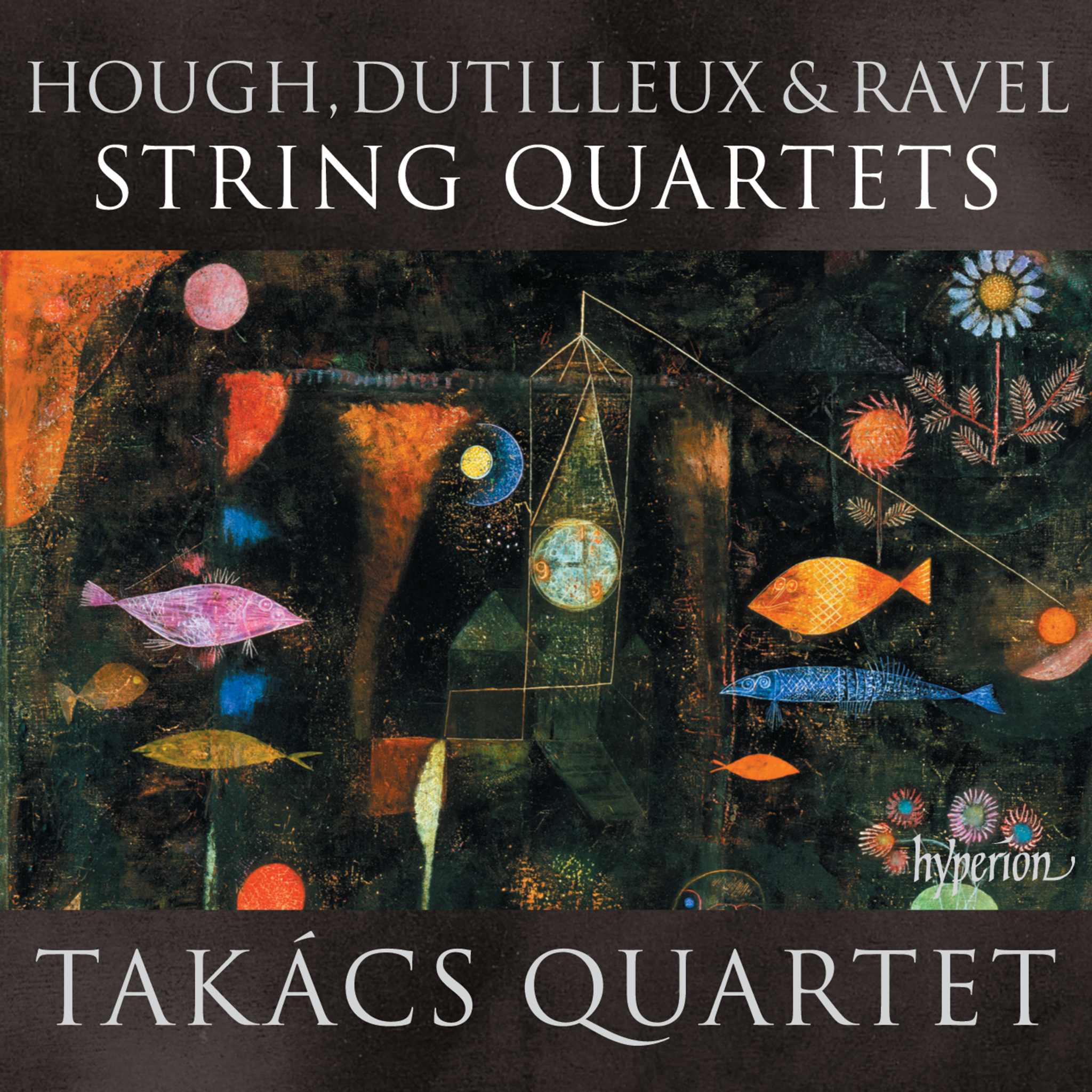


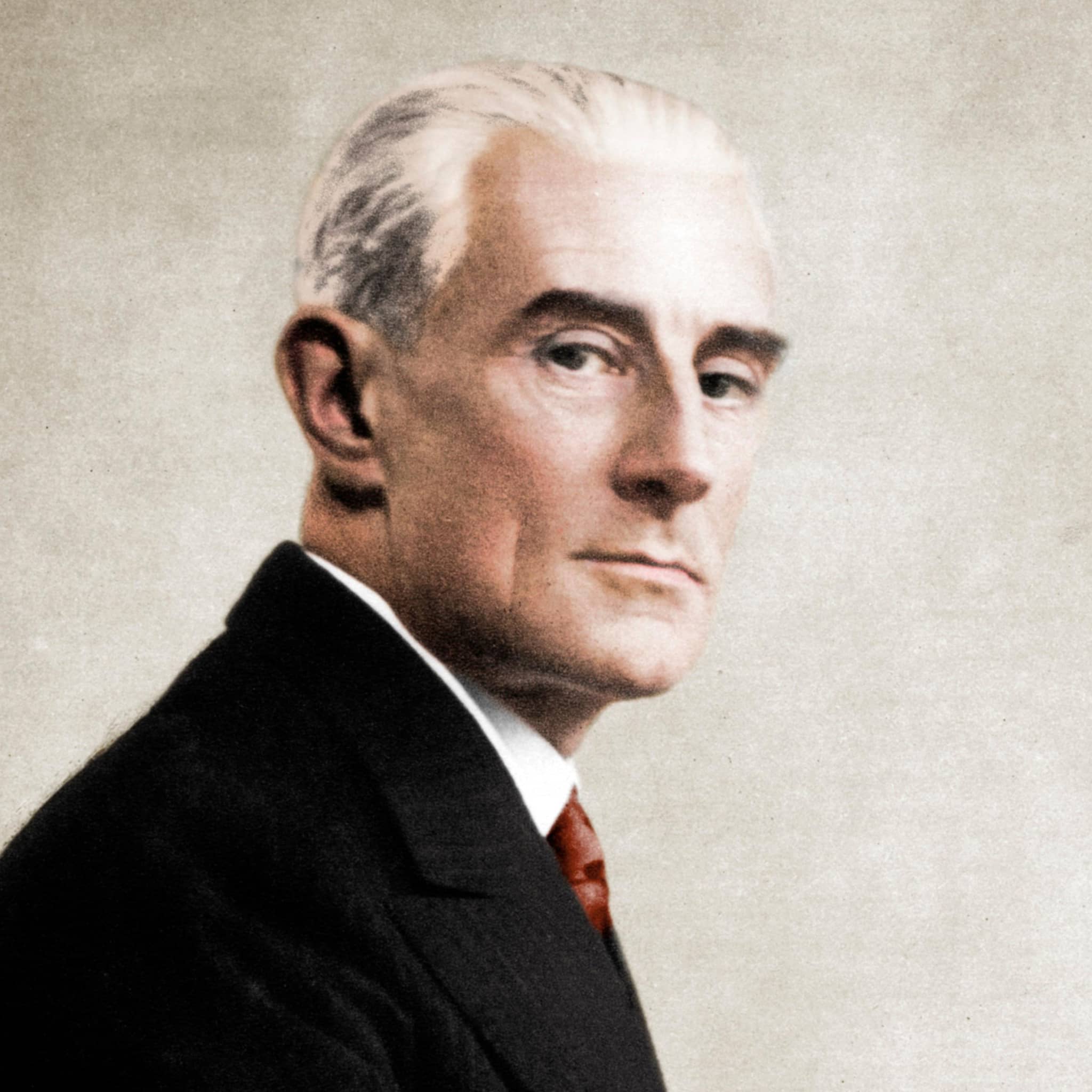



Maurice Ravel began work on his only string quartet, which he dedicated to Gabriel Fauré, in 1902. During this time, he assisted Frederick Delius with his opera Margot la Rouge and, concurrently, unsuccessfully attempted to win the Prix de Rome again. Following the debut of Debussy's Pelléas et Mélisande in April 1902, Ravel revised the structure of his work, clearly influenced by Debussy. The quartet premiered in 1904, with Claude Debussy in attendance. Although the press was divided, the public was enthusiastic. Fauré, initially critical, later gave the work another chance. Years later, Ravel still praised the quartet's precision compared to his earlier compositions.
While Ravel worked diligently on his quartet, his circle of friends, Les Apaches, gathered around him. At the dress rehearsal, Debussy recommended leaving the work unchanged. Despite mixed reviews, Ravel's originality and talent were highlighted by respected figures. Ravel later emphasized how much Debussy had influenced his own work, while simultaneously underscoring his desire for individual artistic development.
Henri Dutilleux's Ainsi la nuit, composed in 1977, captivates with its sophisticated structure, which relies on musical memories and variations. The composer himself emphasized the value of memory and construction in his quartet. Among its formative influences were Debussy and Beethoven. The work playfully experiments with musical elements such as palindromes and distinctive string sounds.
Stephen Hough wrote his first string quartet as a deliberate contrast to Ravel and Dutilleux. Dedicated to the Takács Quartet, the work premiered in 2021. In it, Hough explores what is lacking in the styles of the other composers. The movement Les Six rencontres alludes to encounters and hidden connections. Hough describes the individual sections of his quartet in detail, placing particular emphasis on the complexity and different moods of the movements.