


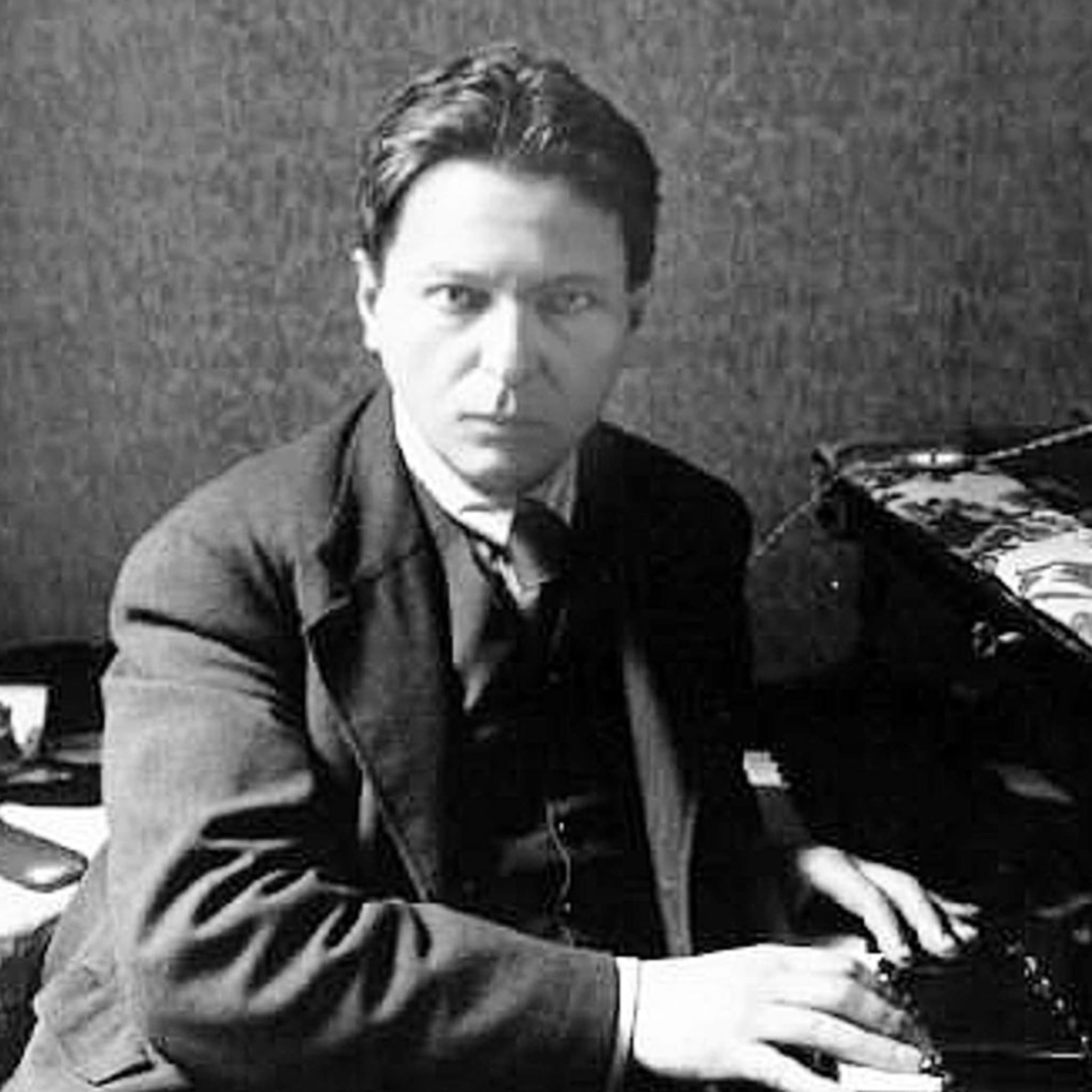



Hugo Becker Innerhalb von fünf Jahren um die Jahrhundertwende entstanden drei Cellokonzerte, die zwei traditionsbewusste und einen innovativen Komponisten repräsentieren. Sie wurden eigens für Hugo Becker geschrieben, einen einflussreichen Cellisten, der sowohl als Pädagoge als auch als Kammermusiker geschätzt wurde. In Berlin gründete Becker beispielsweise ein Trio mit Carl Flesch und Carl Friedberg. Für ihn komponierten Ernö Dohnányi und Eugen d’Albert Werke, die von der Vergangenheit inspiriert waren. Dohnányi, gebürtig aus Pozsony und ein berühmter Pianist, ließ sich von Brahms prägen – das spiegelt sich in seinem Konzertstück in D-Dur wider. Im Gegensatz dazu war der aus Rumänien stammende Enescu schon früh als Komponist talentiert; sein tiefes Verständnis für das Violoncello zeigt sich in seiner Symphonie concertante.
D’Albert, vielseitiger Musiker und Liszt-Schüler, schuf sein einziges Cellokonzert in C-Dur op. 20. Ungewöhnlich beginnt das Werk mit einem Thema der Oboe, worauf eine warme Cellomelodie folgt. Die Holzbläser sind zentral im Orchesterklang und treten in einen Dialog mit der expressiven Cellostimme. Eine lyrische Passage führt zu einem Mittelteil in fis-Moll, bevor das Allegro vivace ohne Pause anschließt. Das Finale zeichnet sich durch toccatenartige Abschnitte und dramatische Steigerungen aus.
Enescus Symphonie concertante, vollendet 1901, zeugt von seiner kompositorischen Meisterschaft. Seine lebenslange enge Verbindung zur Musik ist in diesem Stück spürbar. Er widmete sich der Komposition sorgfältig und entschied sich bewusst gegen die Bezeichnung als klassisches Cellokonzert. Obwohl das Werk anfangs kritisch aufgenommen wurde, setzte es sich später als innovatives Meisterstück durch.