





Hans Pfitzner Hans Pfitzner, ein deutscher Komponist mit starkem Nationalbewusstsein, kam am 5. Mai 1869 in Moskau zur Welt. Sein Vater Robert, damals Orchestermusiker, zog mit der Familie bereits 1872 nach Frankfurt am Main, wo er am Stadttheater als Konzertmeister tätig wurde. Für Hans Pfitzner blieb Frankfurt stets die Stadt, mit der er sich am meisten verbunden fühlte.[4][5]
Am Hoch’schen Konservatorium in Frankfurt studierte Pfitzner Klavier bei James Kwast und Komposition bei Iwan Knorr. Nach seinem Abschluss 1890 engagierte er sich gemeinsam mit Carl Friedberg an einer Orchesterfassung für Humperdincks Oper 'Hänsel und Gretel', die unter Leitung von Richard Strauss aufgeführt wurde – ein prägendes Erlebnis, das später in seine eigene Weihnachtsoper 'Das Christ-Elflein' einfloss.[5]
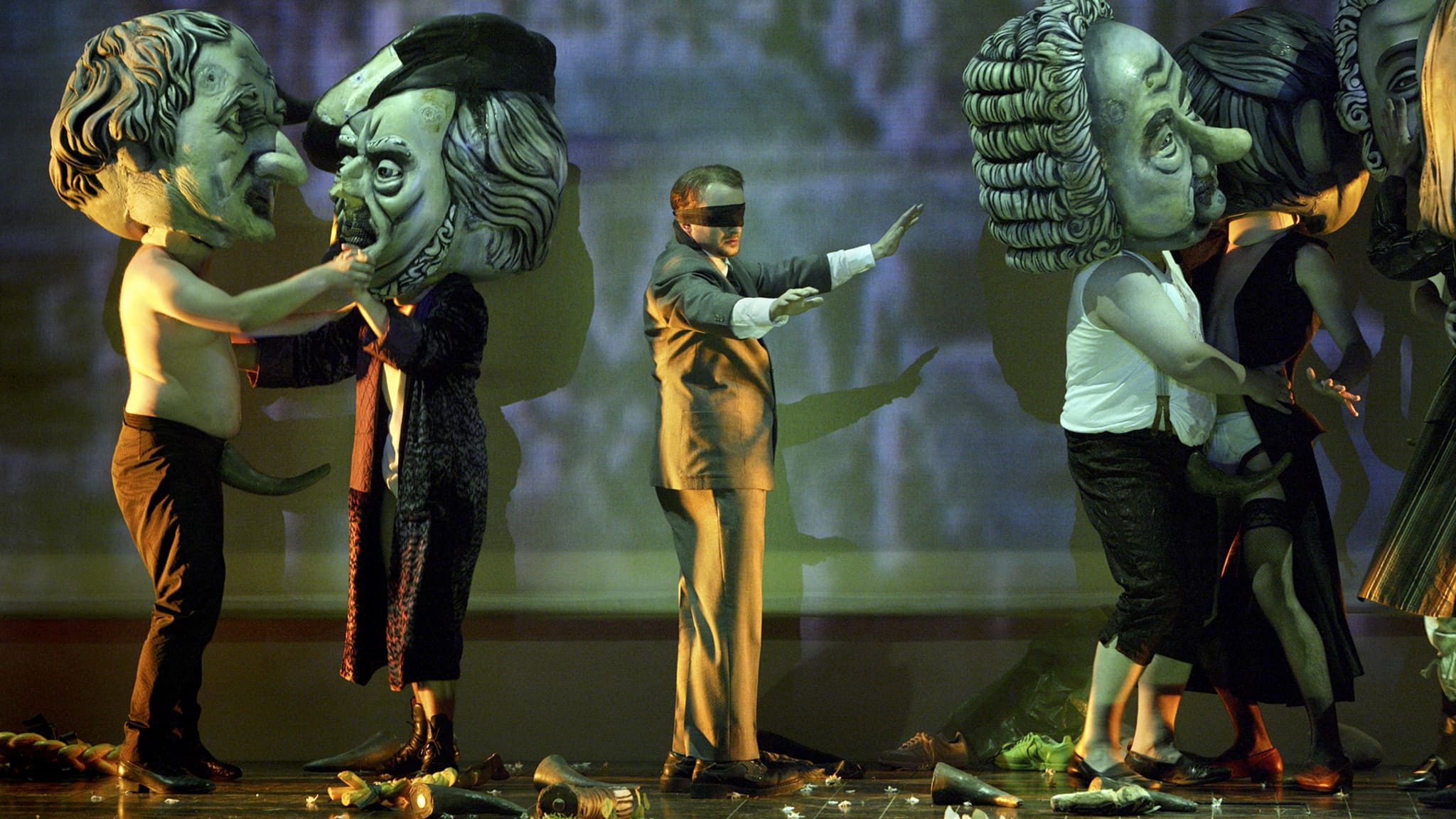
Seine Oper 'Palestrina', 1917 in München uraufgeführt, brachte ihm breite Anerkennung und gilt als sein bedeutendstes Werk.[1][2] In den Jahren des Nationalsozialismus verschlechterte sich Pfitzners Verhältnis zu Bruno Walter, und Hitlers persönliche Ablehnung, die auf Irrtümern über Pfitzners Herkunft beruhte, führte zu vergeblichen Bemühungen um Anerkennung.[3]
Obwohl Pfitzner in manchen Punkten mit nationalsozialistischen Ideen sympathisierte, blieb ihm die erhoffte Wertschätzung Hitlers verwehrt. Trotz öffentlicher Lobreden erhielt er nicht die gewünschte Unterstützung. Während des Krieges wurde sein Münchner Haus zerstört, woraufhin er einige Zeit in einem Garmischer Sanatorium verbrachte, wo auch Strauss lebte.[5]
Bemerkenswert in Pfitzners Schaffen sind drei Cellokonzerte, das erste entstand durch seine Freundschaft mit Heinrich Kiefer, die beiden späteren waren Gaspar Cassadò und Ludwig Hoelscher gewidmet. Die Werke zeichnen sich durch einen intensiven Dialog zwischen Solist und Orchester aus.
Das 1937 entstandene Duo für Violine, Violoncello und kleines Orchester, op. 43, ist einsätzig und klar strukturiert. Trotz Kontroversen bleibt Pfitzners Musik ein wichtiger Bestandteil der deutschen Musiktradition.[5]