
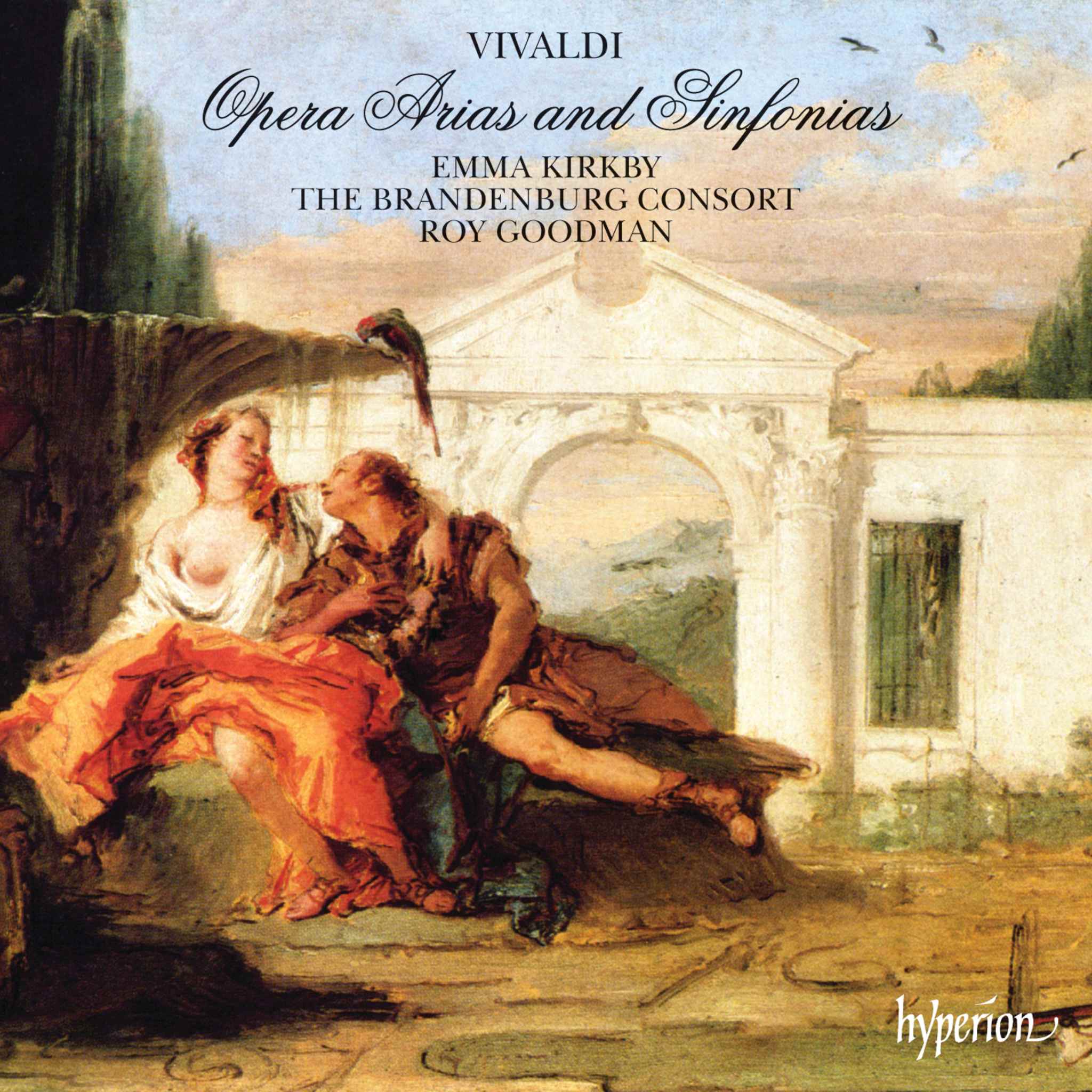


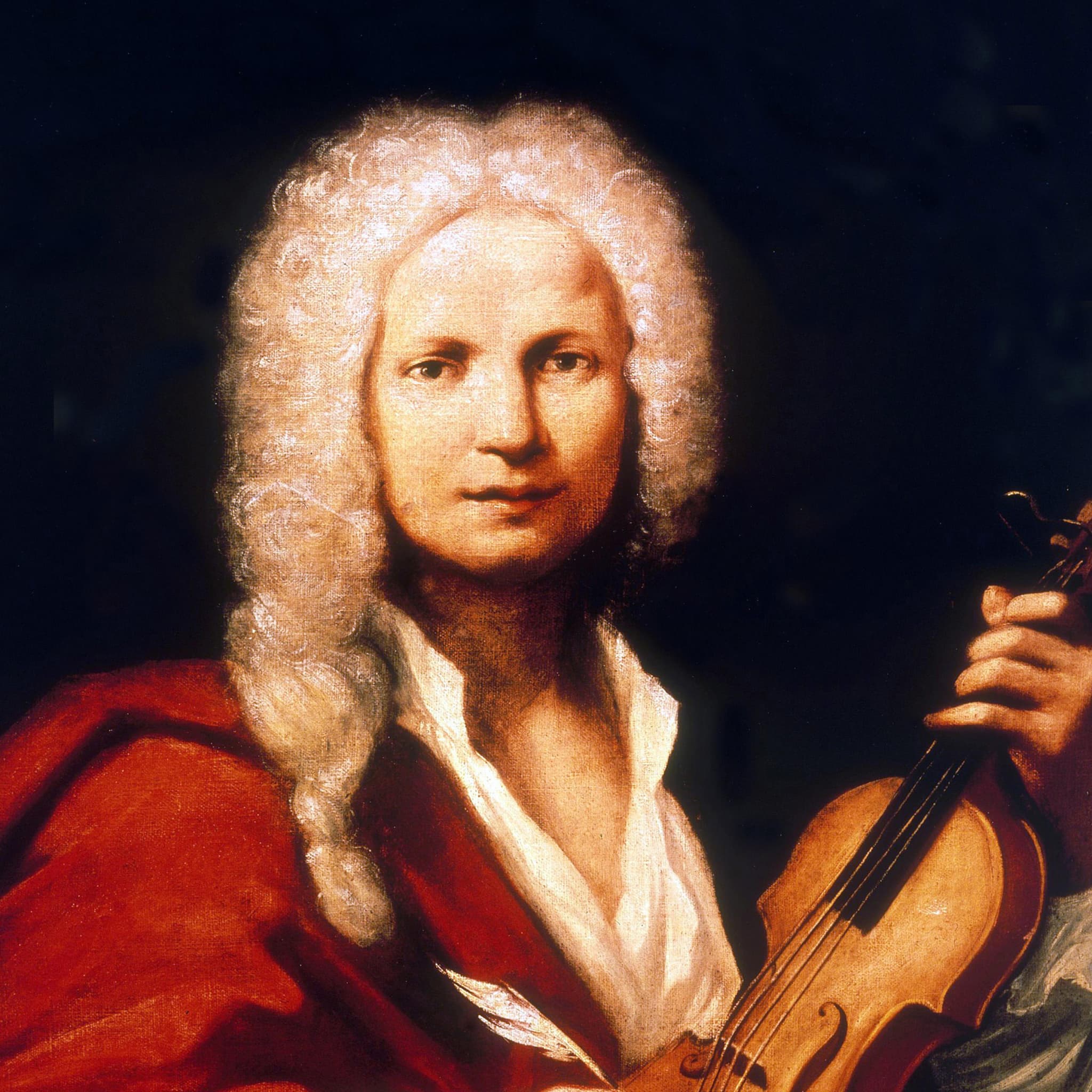


Vivaldi war nicht nur ein renommierter Instrumentalkomponist, sondern schuf auch zahlreiche Opern. Mit 35 Jahren komponierte er 1713 seine erste Oper, nachdem er bereits weltweite Anerkennung für seine Konzerte erlangt hatte. Seine musikalische Karriere entwickelte sich fortan in zwei parallelen Richtungen: Opern und Instrumentalwerke. Die exakte Zahl seiner Opernkompositionen bleibt unklar, jedoch sind etwa fünfzig gedruckte Libretti und ungefähr zwanzig Partituren erhalten geblieben. Neben dem Komponieren betätigte sich Vivaldi als Theaterleiter und Impresario, engagierte Sänger und inszenierte sowohl eigene als auch fremde Kompositionen. Seine Operntätigkeit führte ihn nach Rom, Florenz, Wien und vermutlich auch nach Prag.
Die von Vivaldi als "Sinfonien" bezeichneten Opernouvertüren weisen typischerweise eine dreisätzige Struktur auf, obwohl thematische Verbindungen zwischen Ouvertüre und der eigentlichen Oper oft fehlen. Der strukturelle Aufbau seiner Ouvertüren beginnt meist mit einem brillanten Dur-Satz, gefolgt von einem sanften Andante in Moll und endet mit lebhaften Tanzsätzen im Dreiertakt, die zur Durtonart zurückkehren. In manchen Werken, wie etwa "Ottone in villa", setzte er Blasinstrumente ein, besonders Oboenpaare.
Für das venezianische Teatro San Samuele schrieb Vivaldi "Griselda", die Geschichte des Königs Gualtiero von Thessalonien, der ein einfaches Bauernmädchen zur Frau nimmt. Diese Oper behandelt Themen wie Loyalität, Verrat und Vergebung. In "Catone in Utica" wird die Geschichte des römischen Senators Cato erzählt, der sich gegen Julius Cäsar auflehnt und schließlich den Freitod wählt. Es existiert allerdings auch eine alternative Fassung des Librettos mit versöhnlicherem Ausgang. Die dramatischen Momente in Vivaldis Opern werden durch eindringliche Arien und komplexe musikalische Strukturen wirkungsvoll dargestellt.
Heutzutage werden Vivaldis Opern selten aufgeführt, doch bieten sie Einblicke in die Bandbreite seiner Kompositionen und die dramatische Intensität seiner Werke. Solche Aufführungen ermöglichen eine angemessene Würdigung seiner Fähigkeiten als Opernkomponist und unterstreichen die beachtliche Vielseitigkeit und musikalische Kraft seiner Kompositionen.