


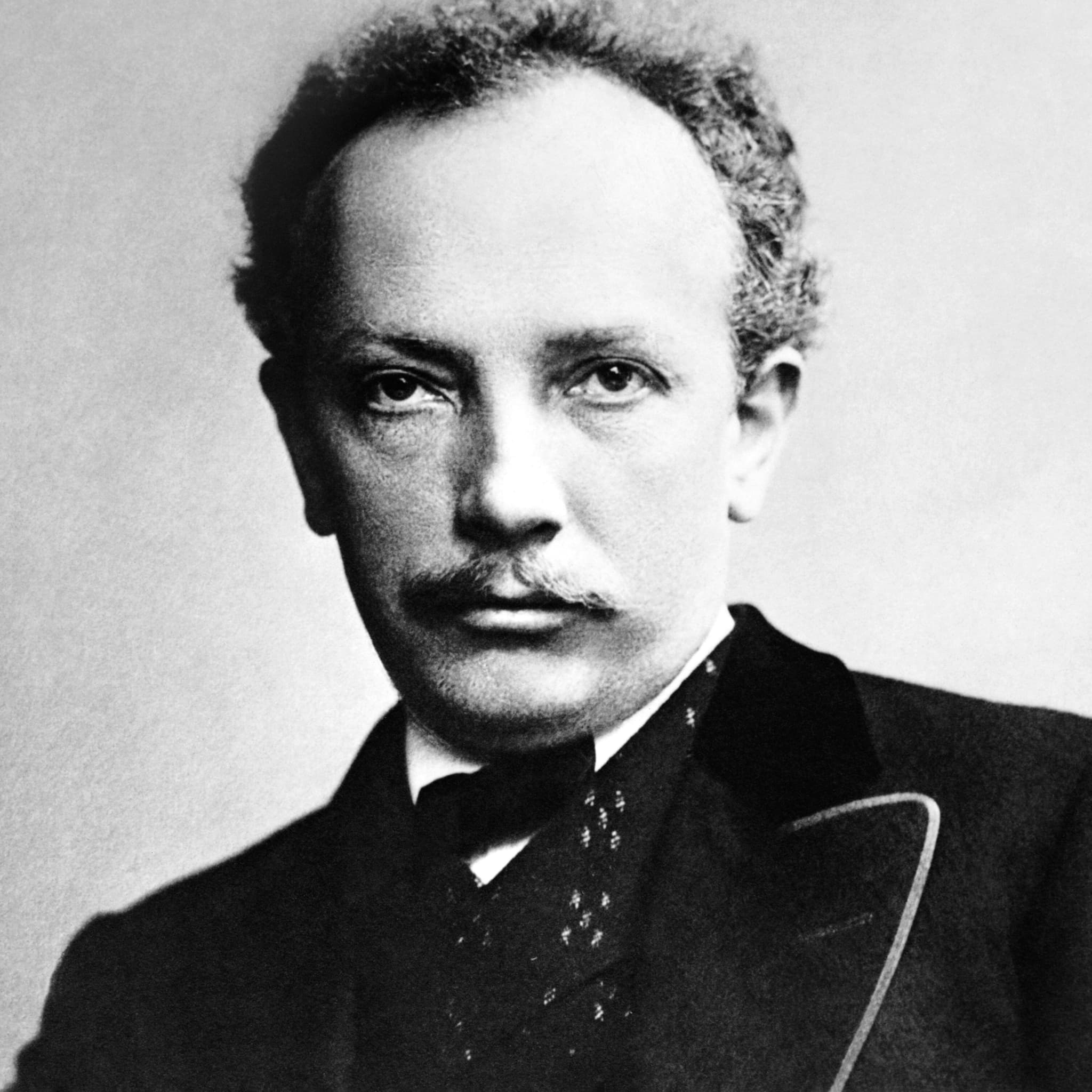


Richard Strauss begann 1947 mit der Komposition seines Duett-Concertinos, nur zwei Jahre vor seinem Tod. Es war sein letztes Instrumentalwerk mit Orchester. Im Gegensatz zu anderen Konzerten oder Concertini ist Strauss' Duett-Concertino eher geschichtenartig, mit einem Dialog zwischen Klarinette und Fagott.
Die Idee für das Duett-Concertino für Klarinette, Fagott und Streichorchester entstand während seiner Englandreise. Auf der Rückreise im Oktober skizzierte Strauss einige Entwürfe, die er als "gut Skizze" bewertete - immer ein gutes Zeichen bei diesem Komponisten! Ende November war die Komposition fertiggestellt.
Die Orchestrierung erinnert an die Welt des barocken Concerto grosso: Fünf Stimmführer übernehmen häufig Solorollen, und sieben Solisten stehen dem Orchester gegenüber, ergänzt durch eine Harfe. Der formale Aufbau des Werkes ist ungewöhnlich: Dem fragmentierten ersten Satz, der der Klarinette die Hauptrolle gibt, folgt ohne Pause der zweite, der unvollständig erscheint, aber das Fagott in den Mittelpunkt stellt. Diese beiden kurzen Sätze werden vom beredten Rondo, das folgt und beiden Solisten das gleiche Gewicht gibt, völlig in den Schatten gestellt.
Das Duett-Concertino verwendet die post-romantische Musiksprache, die Strauss nie aufgab: Er hatte nie das Gefühl, dass historische Imperative ihn zwingen sollten, die Atonalität zu übernehmen. Seine Modernität bestand darin, Wagners Einfluss abzulehnen.
Einige Wissenschaftler glauben, dass dieser dialogartige Kompositionsstil der Hauptgrund war, warum Strauss sich für den Titel "Duett-Concertino" entschied. Programmatische Analysen untersuchen die musikalischen Gesten des Stücks, die, kombiniert mit den in Skizzen und Briefen gegebenen Hinweisen, auf eine Geschichte von einem Prinzen und einer Prinzessin hindeuten. Es gibt Anzeichen dafür, dass Strauss beabsichtigte, dem Duett-Concertino ein programmatisches Design basierend auf Hans Christian Andersen zu folgen.