



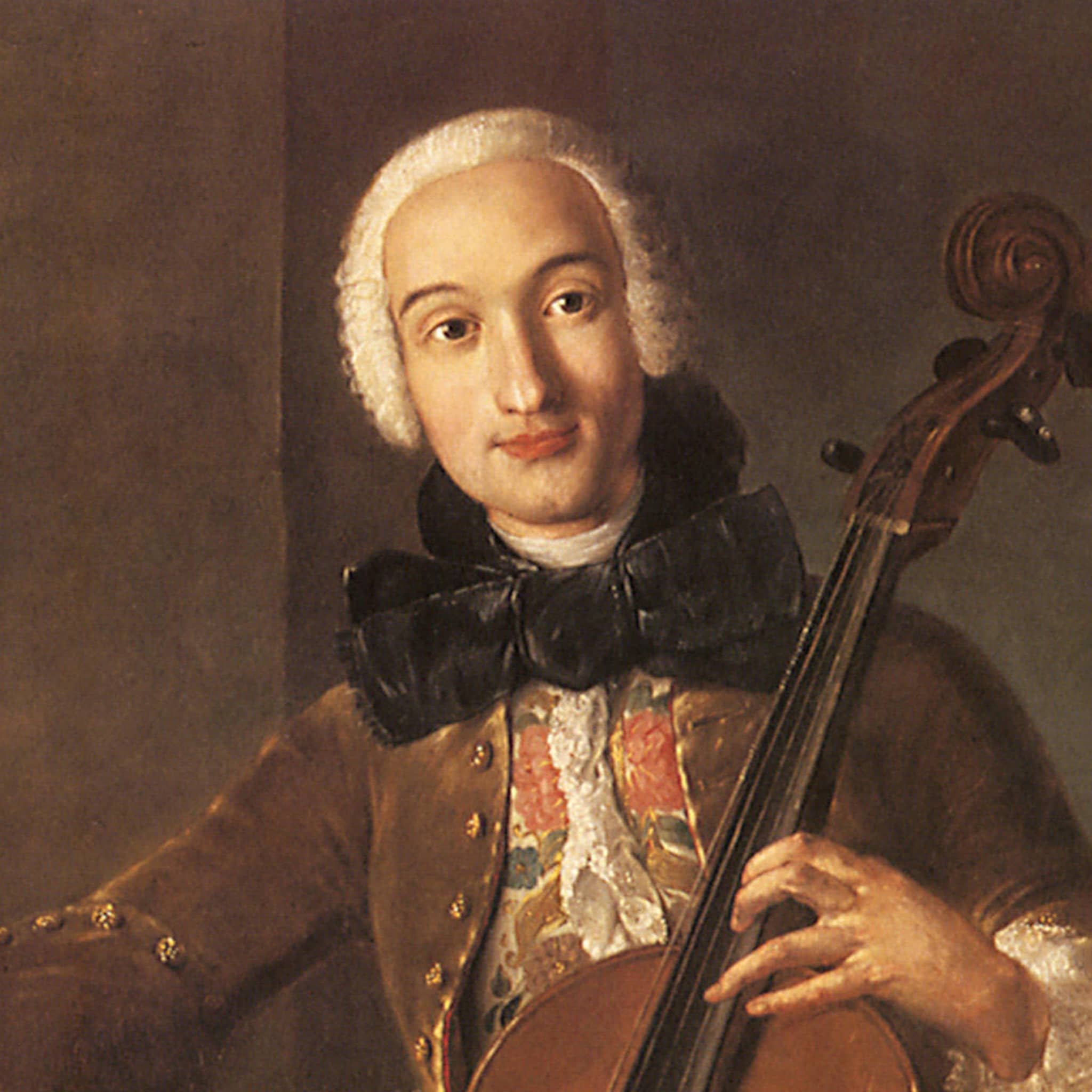






Luigi Boccherini The 18th century saw a golden age for the cello: from Francesco Alborea to Luigi Boccherini, the instrument developed rapidly. Outstanding compositions such as Bach's suites and Beethoven's sonatas characterized this era. While one occasionally wonders what a cello piece by Mozart might have been, Haydn remains a source of solace—his works are of great importance. In particular, the discovery of Haydn's C major concerto brought new insights and corrected some long-standing misconceptions.
Haydn's two cello concertos differ significantly in style and character and reflect the strengths of their respective dedicatees. The C major concerto was written for Joseph Weigl, the later D major concerto for Antonín Kraft. Both musicians inspired Haydn to pursue different compositional approaches: While the C major concerto captivates with its instrumental richness and rhythmic precision, the D major concerto is characterized by an operatic, melodic quality.
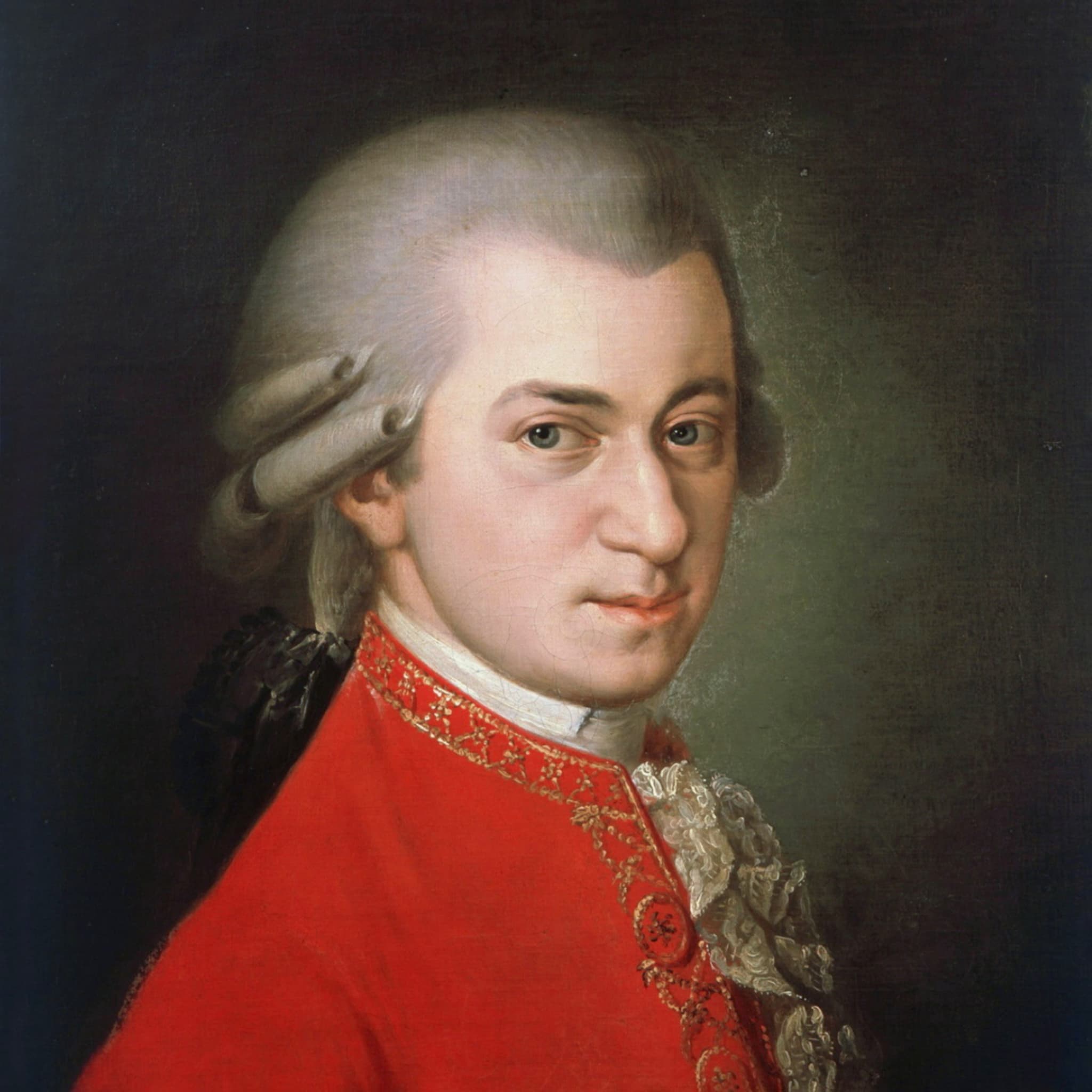
Saint-Saëns praised the creativity and inventiveness in Haydn's music. Carl Philipp Emanuel Bach, often overshadowed by his father Johann Sebastian Bach, brought emotional turmoil and expressiveness to the fore in his A major cello concerto. Despite their differences, both works possess a unique tension and fascination. A selection of arias by Mozart and Boccherini complements the concert experience and lends it additional depth.
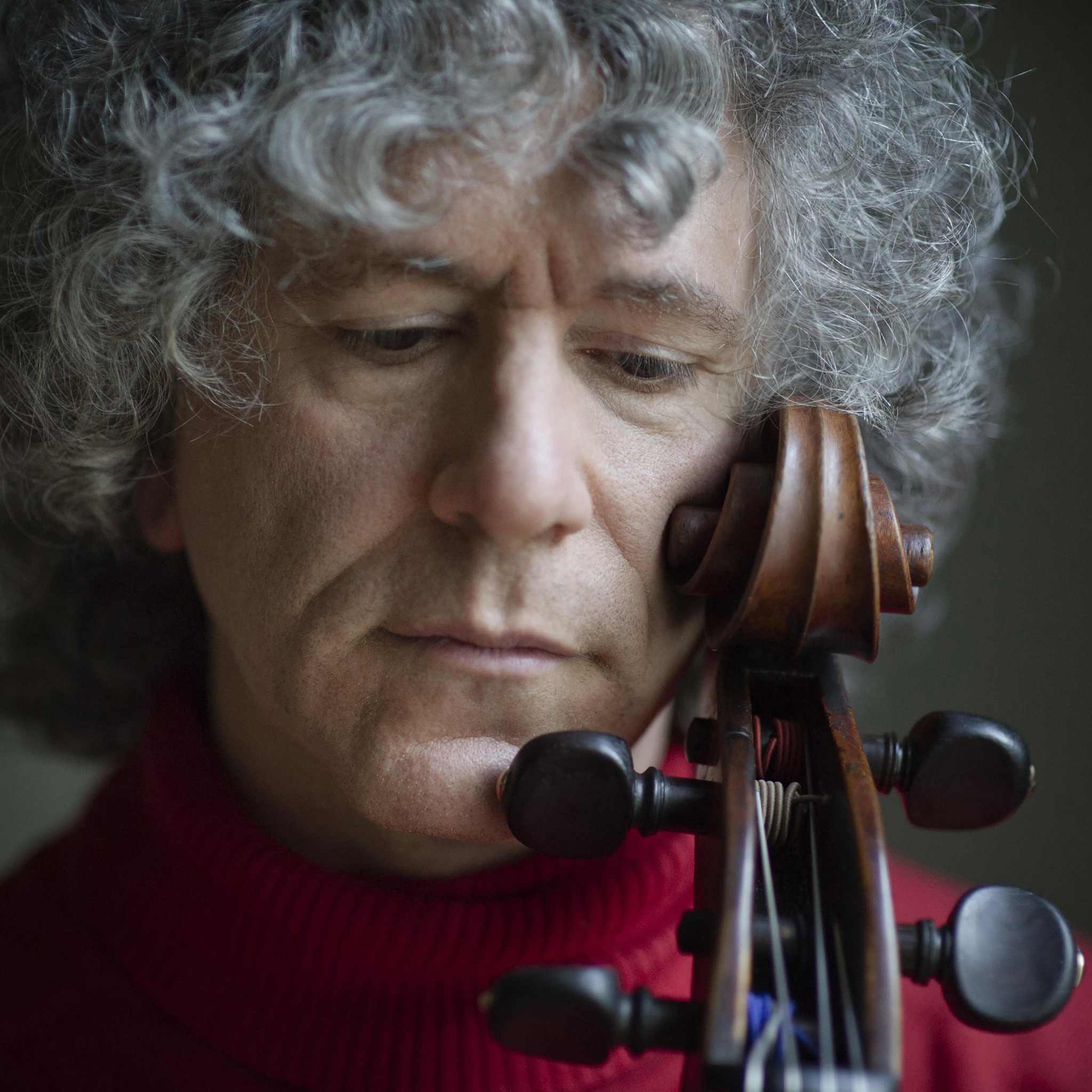
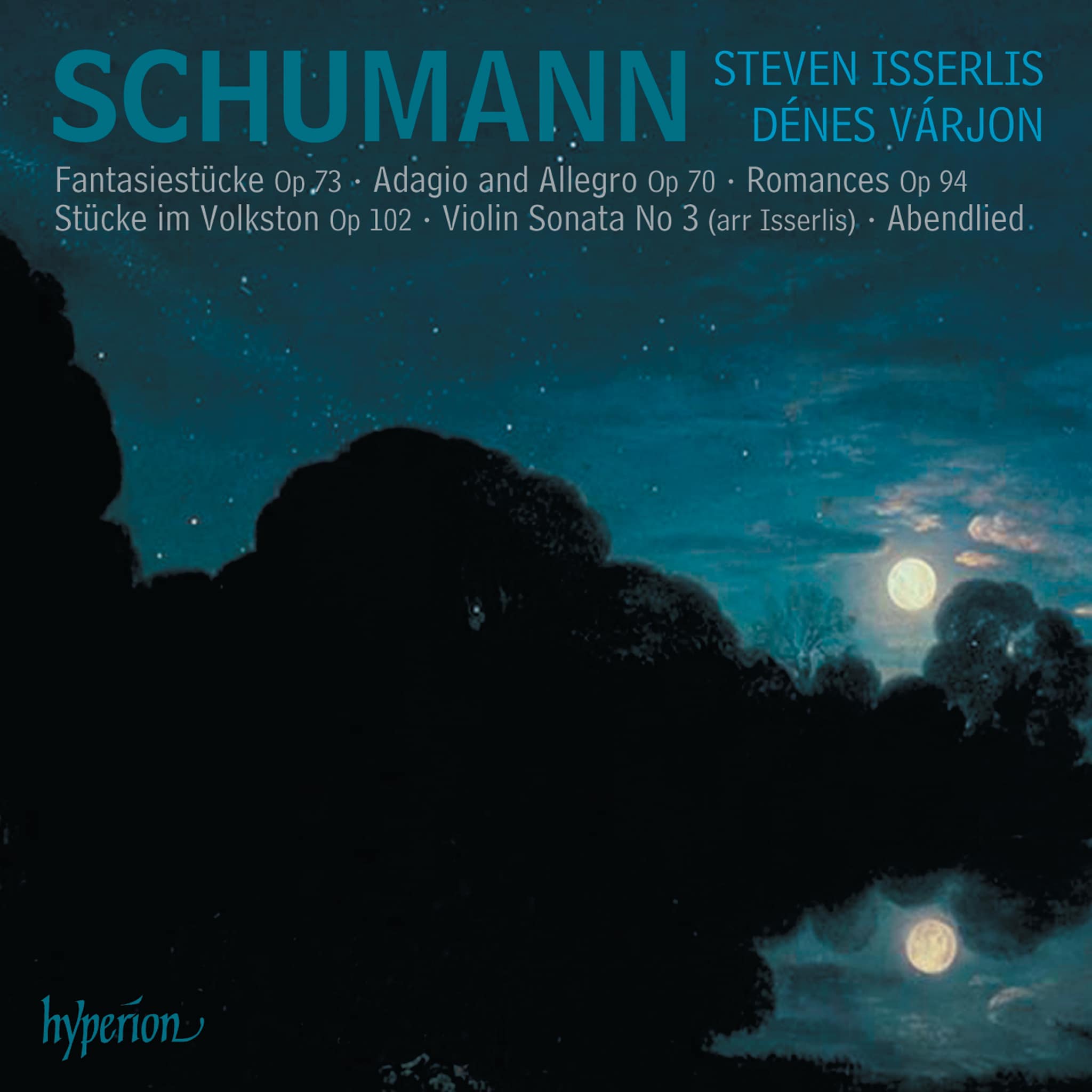
Finally, Isserlis recounts a personal experience in the attic that lent a special touch to his interpretations. Mozart's arias and Boccherini's Adagio exemplify the intimate elegance of these composers, whose music retains its radiance to this day.