






Although Ferruccio Busoni and Richard Strauss had very different ideas about composing, they nevertheless shared some common ground: Both came from musical families where their fathers played woodwind instruments, thus fostering a penchant for lyrical melodies. As pianists, they both created significant violin pieces at a young age, including impressive early works. Busoni had planned to compose a special string quartet with solo violin for the famous violinist Adolf Busch, but was unable to realize this project before his death.
Busoni's musical development was shaped by Italian and German influences. While his mother, from Trieste, introduced him to the German musical tradition and his father insisted on Bach, he developed a noticeable affinity for Italian culture. Despite a turbulent childhood, Busoni remained unscathed thanks to his musical talent. He became known as a teacher and piano virtuoso in Berlin, but lived in Italy and Switzerland during the First World War.
Busoni began composing early on and published regularly. Among his key works for violin are two sonatas with piano accompaniment and the Violin Concerto in D major, which is characterized by transparent orchestration and Italianate cantilenas. Despite its formal unity, three distinct movements are discernible, with the brilliant Allegro impetuoso standing out with its thrilling finale.
Busoni's reputation was not always reflected in performances: the Violin Concerto found little favor with audiences, although artists like Joseph Szigeti appreciated it. Busoni also became known for his arrangements of older works, such as his transcription of the Benedictus from Beethoven's Missa solemnis, in which the solo violin is given particular prominence.
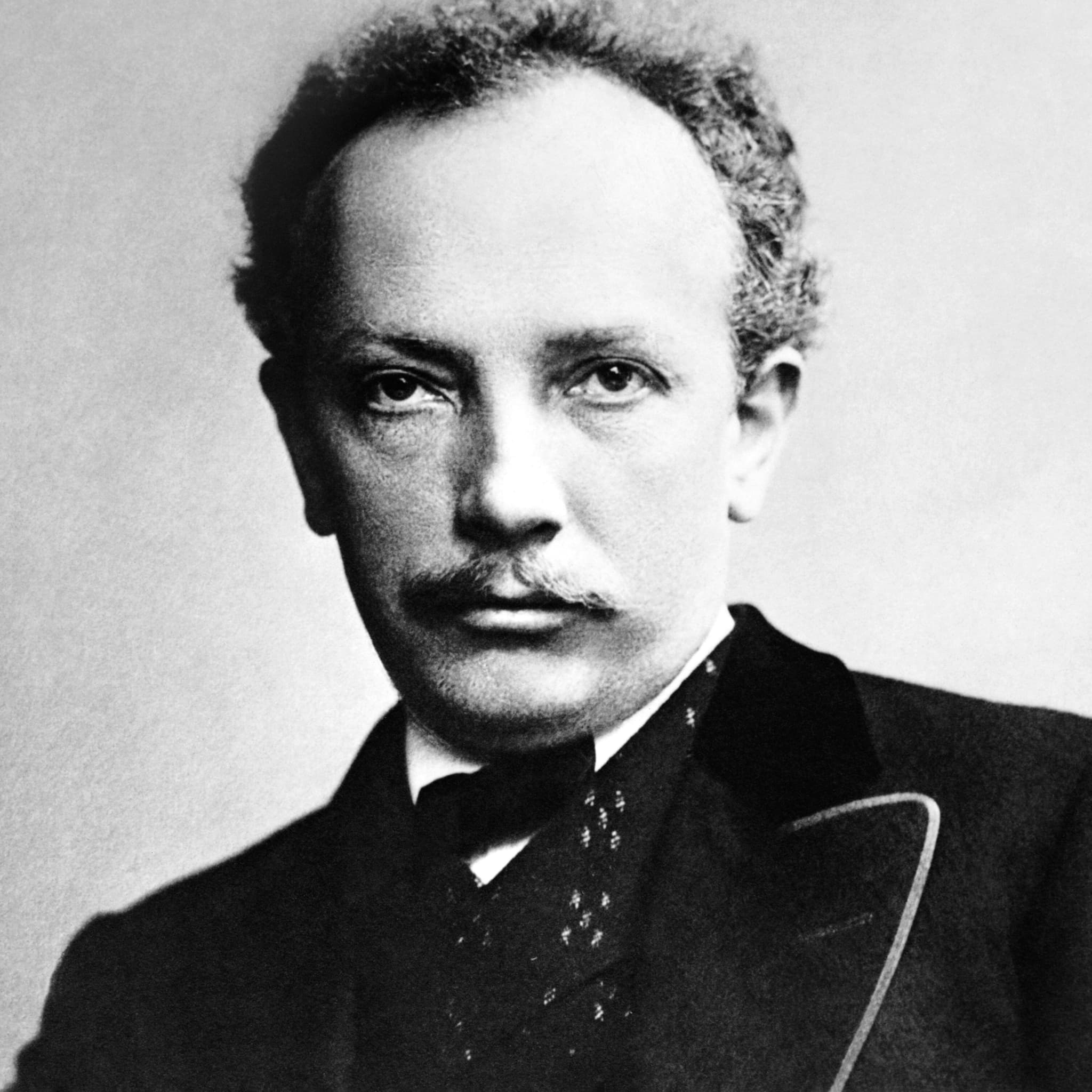
Richard Strauss, on the other hand, enjoyed a largely carefree youth in Munich. His Violin Concerto in D minor was composed in his final year at the Ludwigsgymnasium and was dedicated to his teacher, Benno Walter. Eduard Hanslick praised the work as proof of Strauss's talent, but despite performances in Vienna and Munich, the concerto failed to achieve the lasting renown of some of the master's other compositions.
After the Violin Concerto, Strauss devoted himself to other works, including a piano quartet, a violin sonata, and tone poems with solo parts for the concertmaster. A second violin concerto was considered after the Second World War but remained unfinished.