

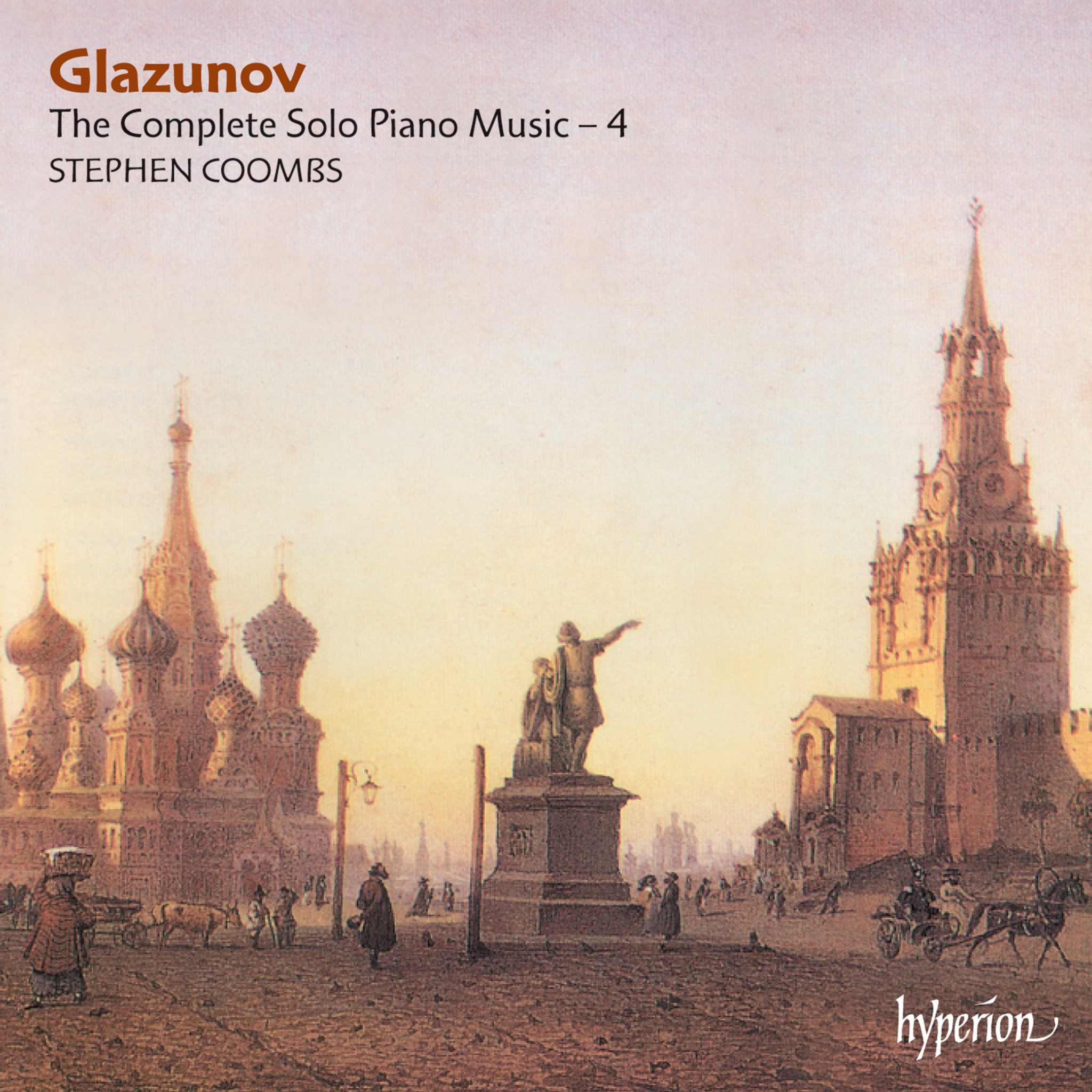


Glasunows Drei Etüden, op. 31, gehören zu den herausragendsten Klavierwerken. Sie wurden nicht gleichzeitig, sondern einzeln komponiert, ähnlich wie viele andere seiner Kompositionen. Interessanterweise entstand die dritte Etüde mit dem Beinamen "Nacht" als erste im Jahre 1889. Bemerkenswert ist, dass dies erst Glasunows zweite bedeutende Klavierkomposition war und seine Rückkehr zu diesem Instrument nach fünfjähriger Pause markierte. Möglicherweise hatte seine Begegnung mit Liszt 1884 sein Selbstvertrauen beeinträchtigt. Als mittelmäßiger Pianist musste Glasunow seine frühen Klaviersuiten vor einem Publikum aus renommierten Pianisten und Komponisten darbieten, darunter Saint-Saëns und Liszt selbst. Dennoch ist die "Nacht"-Etüde wunderbar inspiriert komponiert und bildet zusammen mit den beiden anderen Etüden einen Höhepunkt russischer Klavierliteratur.
Die erste Etüde vom 14. Mai 1896 sticht durch ihre Brillanz hervor, während die zweite vom 14. August 1891 als eine der romantischsten und gefühlvollsten Klavierkompositionen Glasunows gilt.
Im Sommer 1889 reiste Glasunow erstmals nach Frankreich, wo seine Erste Symphonie bei der Weltausstellung in Paris aufgeführt wurde. Dieser Aufenthalt ermöglichte ihm den Austausch mit führenden Musikerpersönlichkeiten wie Delibes, Massenet und Messager in der Pariser Musikszene. Nach seiner Rückkehr nach Russland hatte sich sein internationales Ansehen deutlich verbessert. Im darauffolgenden Jahr vollendete er mit gestärktem Selbstbewusstsein Werke wie "Der Kreml", seine Dritte Symphonie und die Zwei Stücke für Klavier, op. 22. Diese Kompositionen zeigen Glasunows charakteristischen Charme und leisteten einen wichtigen Beitrag zum Salongenre der russischen Musik des späten 19. Jahrhunderts. Hinter ihrer scheinbaren Leichtigkeit verbergen sich technisch anspruchsvolle Klavierkompositionen, besonders sein Caprice-Impromptu.
Die Miniatur in C, Einfache Sonate und Sonatina entstanden in Glasunows früher Schaffensperiode in Zusammenarbeit mit Rimski-Korsakow und geben Einblick in seine frühen kompositorischen Ansätze. Diese Werke dokumentieren seine beachtliche Entwicklung als Komponist. Die Zwei Präludien-Improvisationen hingegen stammen aus seiner Spätphase, als er versuchte, mit der russischen Avantgarde Schritt zu halten. Trotz ihrer experimentellen Klangsprache bleiben seine romantischen Wurzeln erkennbar.
Glasunows Tema und Variationen, op. 72, komponiert im Jahr 1900, gehören zu seiner letzten bedeutenden Schaffensphase. Dieses Werk, ursprünglich als "Variationen eines finnischen Volksliedes" bezeichnet, besteht aus einer Melodie mit fünfzehn Variationen und zählt zu seinen erfolgreichsten Klavierkompositionen. Die Vereinfachung des Titels zu "Tema und Variationen" erfolgte vermutlich aus politischen Gründen, um der damaligen Russifizierungspolitik zu entsprechen.