Übersicht über Patrick Ireland
Patrick Ireland war ein angesehener britischer Bratschist und Gründungsmitglied des Allegri String Quartet. Seine Kunstfertigkeit wurde von Kritikern anerkannt, die das Ensemble für seinen „großen Ton-Feinsinn und einen beschwingten, vorwärtsdrängenden Rhythmus“ in Aufführungen wie Schuberts „Der Tod und das Mädchen“ in der Wigmore Hall lobten. Trotz weitverbreiteter Missverständnisse war Ireland kein Komponist; seine Hauptrolle war die des Bratschisten und Kammermusikers.
Karrierehöhepunkte
Patrick Ireland war vor allem als ursprünglicher Bratschist des Allegri String Quartet bekannt, das 1954 gegründet wurde. Das Ensemble erlangte internationale Anerkennung und spielte sowohl klassische Meisterwerke als auch moderne britische Werke, darunter Kompositionen von Britten, Tippett und Rubbra, letzterer widmete ihnen sein drittes Quartett. Das Quartett arbeitete mit führenden Persönlichkeiten wie Sir John Barbirolli für eine Aufnahme von Elgars „Introduction and Allegro“ zusammen und trat mit namhaften Solisten wie dem Klarinettisten Gervase de Peyer und dem Pianisten Fou Ts’ong auf.
Missverständnisse über Patrick Irelands Werk
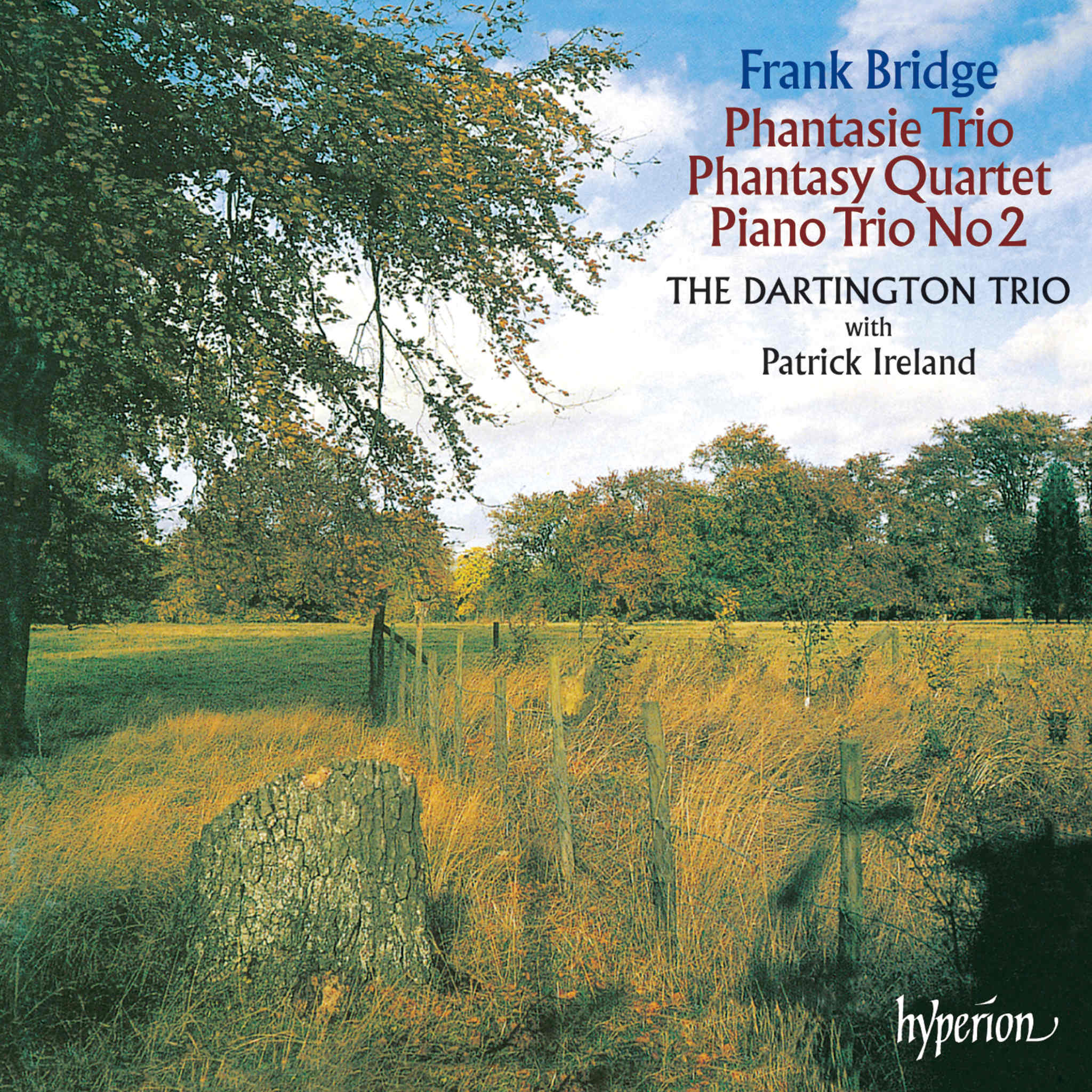
Es gibt einige Missverständnisse bezüglich Irelands Werken. So stammt etwa die Komposition „Bridge: Piano Trios & Phantasy Quartet“ nicht von Patrick Ireland, sondern von Frank Bridge, einem britischen Komponisten. Patrick Ireland ist zudem ein Pseudonym des britischen Komponisten John Ireland, der mit diesem Werk nicht in Verbindung steht. Das Dartington Piano Trio ist dafür bekannt, Werke verschiedenster Komponisten, darunter Frank Bridge, nicht jedoch Patrick Ireland, aufzuführen.
Patrick Irelands Vermächtnis
Patrick Irelands Vermächtnis liegt vor allem in der Kammermusik, insbesondere innerhalb der britischen Streichquartett-Tradition. Er wird nicht nur für seine makellose Musikalität, sondern auch für seinen Beitrag, klassische wie zeitgenössische Werke durch Aufnahmen, Konzerte und bedeutende Kooperationen einem größeren Publikum nähergebracht zu haben, in Erinnerung behalten.