


Philippe de Monte: Major Works and Legacy
Philippe de Monte (1521–1603), a renowned composer of the 16th century, is celebrated for his captivating works that are enriched with emotional depth and musical intricacy. He was particularly influential as Kapellmeister at the Habsburg court, serving emperors Maximilian II and Rudolf II in Vienna and Prague. Famed for his sacred music, Masses, motets, and chansons, de Monte encompassed a wide variety of subjects in his pieces while maintaining a unique rhythmic and melodic touch that distinguished him from his contemporaries.
Overview of De Monte’s Output
De Monte was prolific in several music forms. He composed approximately 38–40 masses, primarily during his tenure at the Habsburg court. His other sacred pieces, including motets and madrigali spirituali, number around 260–319. Exceptionally prolific in secular music, with over 1,100 madrigals published in 34 books, he was one of the most significant madrigalists of his time. He also composed chansons (French secular songs) and at least one French psalm setting (Psalm 107), though the latter is unique in his surviving oeuvre.
Musical Style and Influence
De Monte's masses and motets often used dense polyphony, similar in style to Palestrina, with a blend of contrapuntal complexity and homophonic clarity. His secular works are recognized for their expressive text setting and gradual stylistic evolution—from experimental chromaticism and word painting to a simpler, more homophonic approach in his later years. De Monte’s music was widely printed and distributed throughout Europe; his madrigals, in particular, were considered mature five-part works and remain frequently performed today. He was an influential educator to a generation of composers who would shape the early Baroque period.
Notable Works and Recordings
One of the standout pieces by de Monte is his "Missa Ultimi miei sospiri & Other Sacred Music." This masterpiece immerses listeners in the beauty of sacred tunes combined with the poignant touch of de Monte's personal emotions. The STAGE+ collection features "Amorosi pensieri," a collection of songs created for the Habsburg Court. These tracks beautifully reflect the grandeur and refinement of the 1500s courtly life, underlining Monte's distinguished capabilities as a composer.
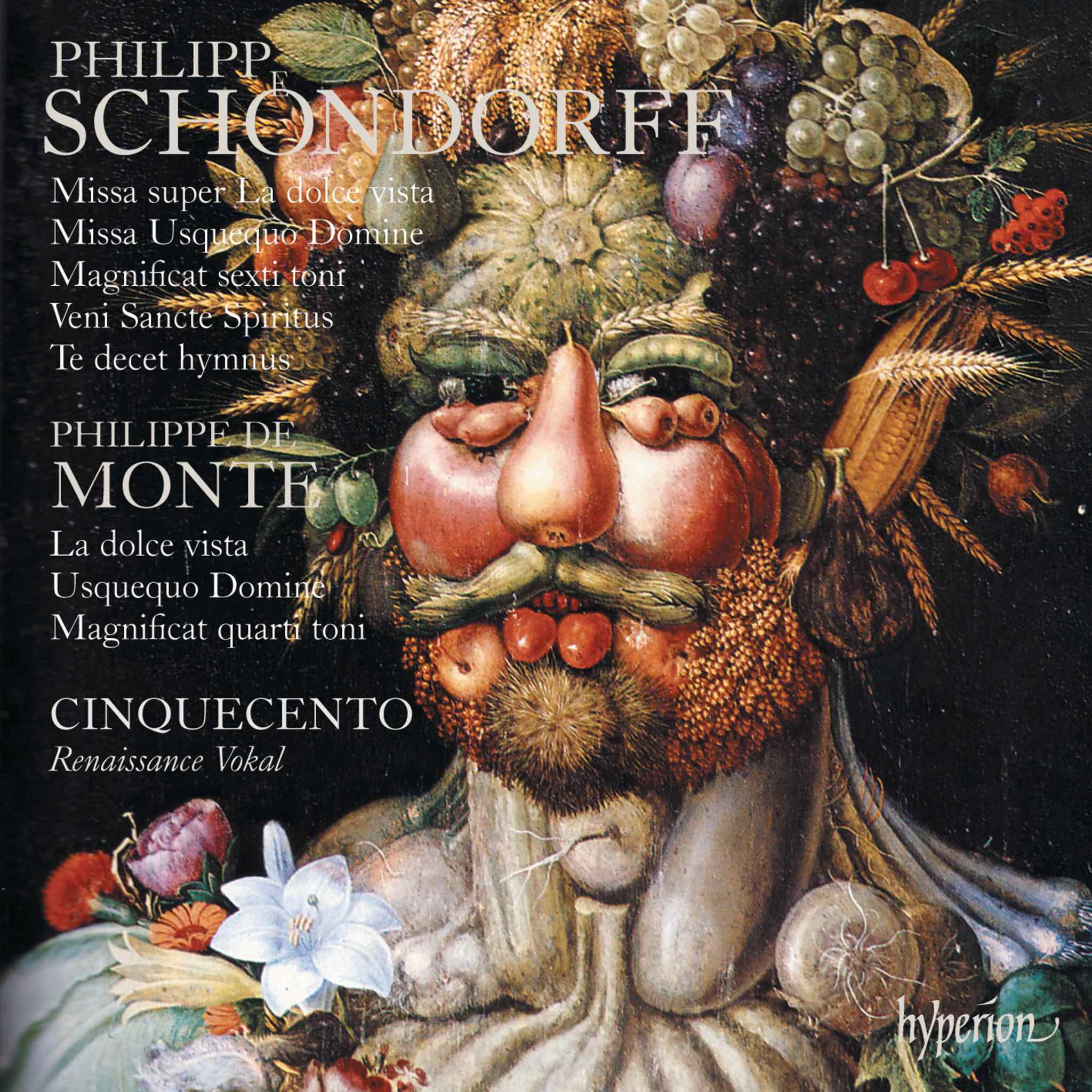
Moreover, the availability of works by another respected contemporary artist, Philipp Schoendorff, serves as a testament to the rich diversity of the musical scene during the period. His complete works contribution adds to the overall intrigue of the era.
Cinquecento: The 16th Century Musical Scene
Cinquecento, a term which pertains to the 16th century in Italian, aptly summarizes the mood and style of the era. It was a time of tremendous cultural growth and upheaval, and as such, the music from this period reflects this dynamic spirit. The term is fittingly repeated as a sub-headline to emphasize the period in which these works were composed.
Exploring the fascinating works by Philippe de Monte on STAGE+ gives audiences an intimate view into the glamorous and complex world of the 16th century. The profound expressions of emotion and the rich harmonies in his music continue to resonate with listeners worldwide, attesting to de Monte's enduring legacy.