


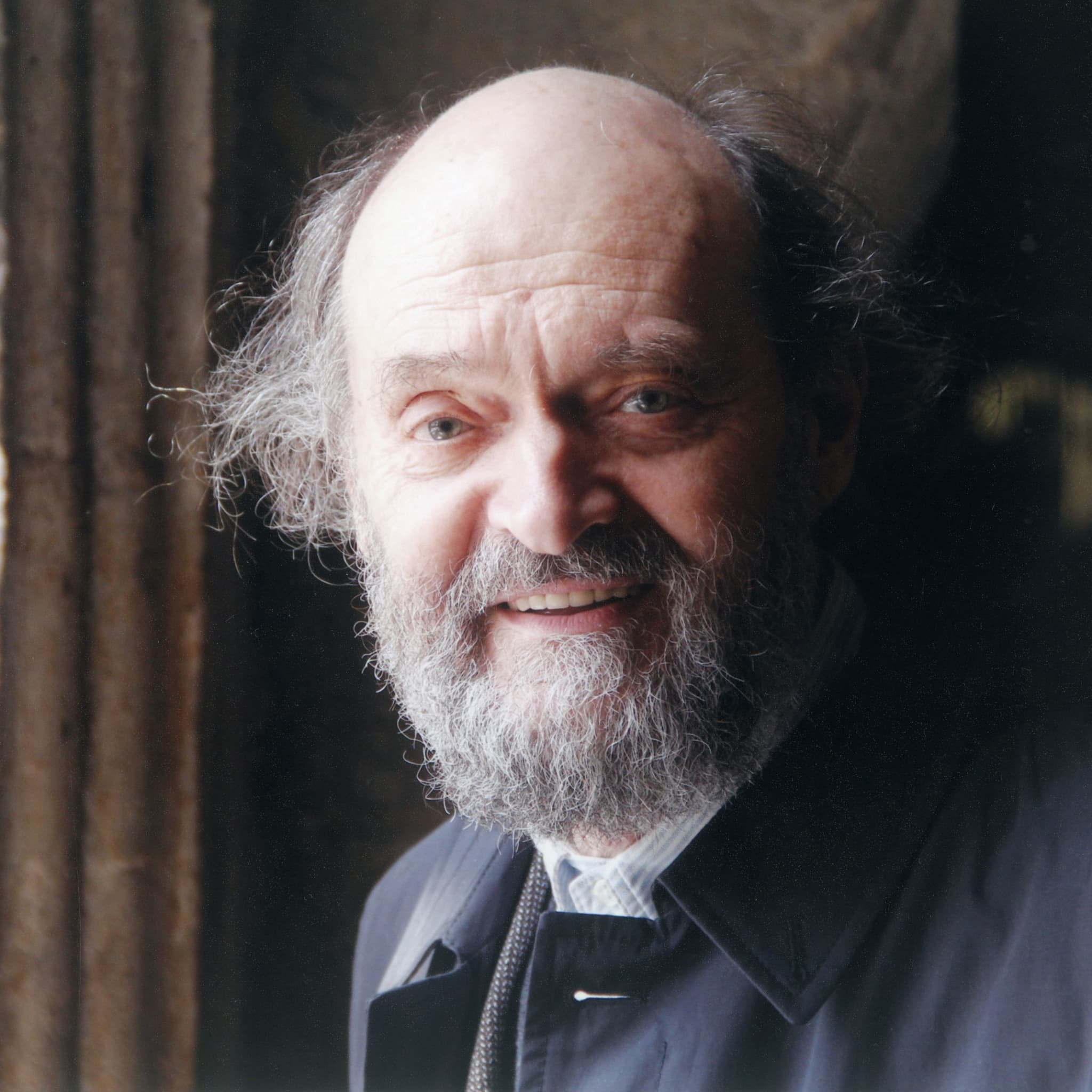



Arvo Pärt Arvo Pärt's music is characterized by its reduction to the essentials and an enormous expressiveness that few contemporary composers achieve. This unique combination makes him a defining figure in the music scene of the 20th and 21st centuries. While numerous musicians, especially those working in film and production music, have adopted his style, opinions on the impact of his compositions vary widely: for some, they are meditative soundscapes, for others, superficial sonic fare.
In retrospect, new insights into Pärt's musical development are constantly emerging. Since the international dissemination of his "tintinnabuli" style in the early 1980s, his works have been continuously reinterpreted. Even his piano piece "Für Alina," composed in 1976, is considered a milestone in music history. Both the development of his musical language and the interpretation of his works—for example, since the first Polyphony recordings in 1998—demonstrate a steady evolution.
The evolution of his musical language as well as the interpretation of his works—for instance, since the first Polyphony recordings in 1998—demonstrate a continuous development.
. A central element in Pärt's work is the setting of psalm texts to music, conveying an intense spirituality. Compositions such as "Peace upon you, Jerusalem" exemplify his powerful musical language. He also dedicated himself to special commissions like "Morning Star," written for the 175th anniversary of Durham University. The diversity of languages and texts he set to music underscores the inspiring breadth of his oeuvre.
Pärt's distinctive style is characterized by rigorous compositional discipline and a captivating simplicity. Works such as "The Deer's Cry" and "Tribute to Caesar" document his artistic development and his ability to combine complex musical structures with understated beauty. His music is imbued with a serene dignity and deep spiritual grounding.
The evolution from experimental beginnings to a clear, almost ethereal musical language illustrates Pärt's artistic transformation. His works unite rigor and transcendence and inspire with their timeless aesthetic. Pieces like "De tusen järnkläderna" or "Virgencita" impressively showcase the composer's emotional intensity and compositional mastery.