
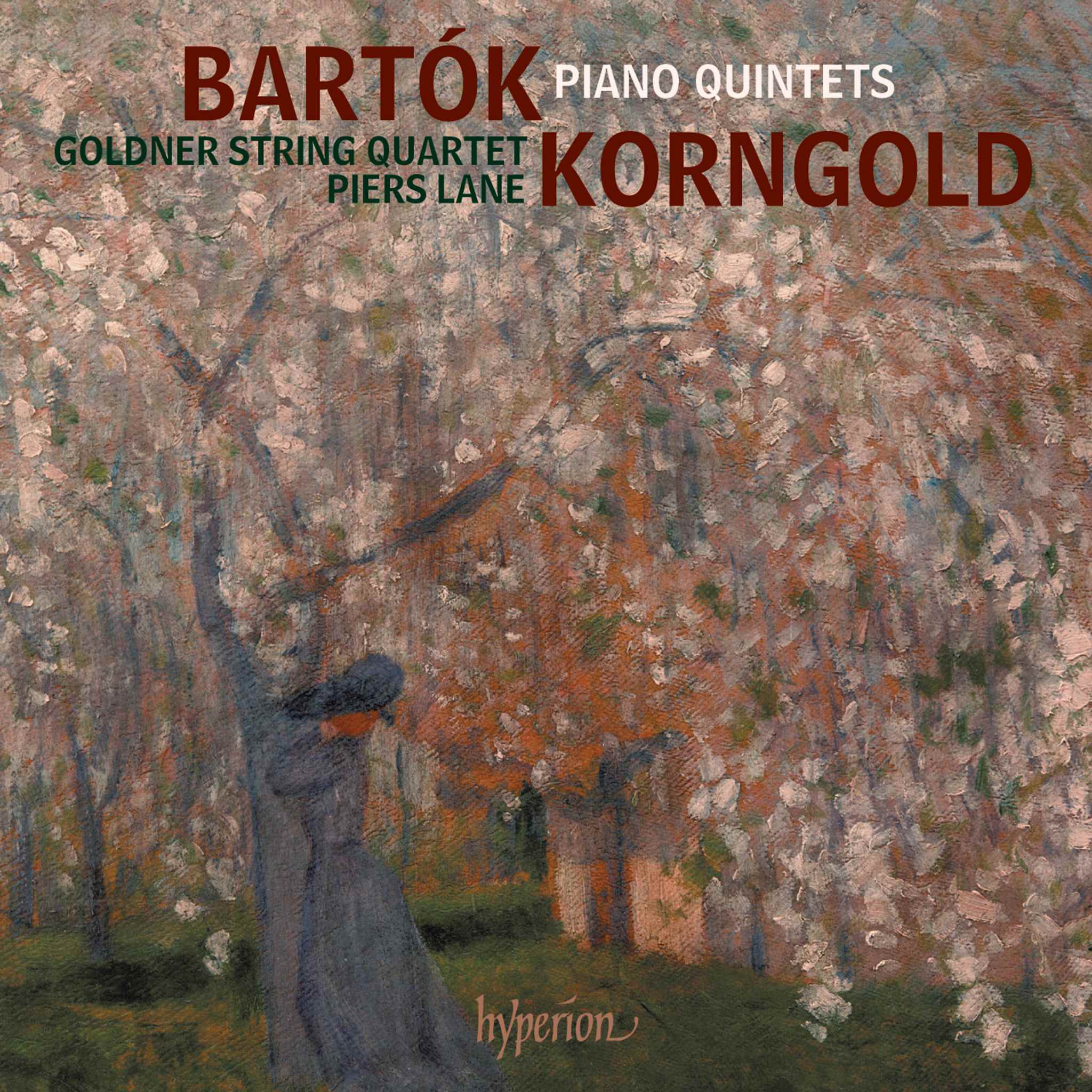

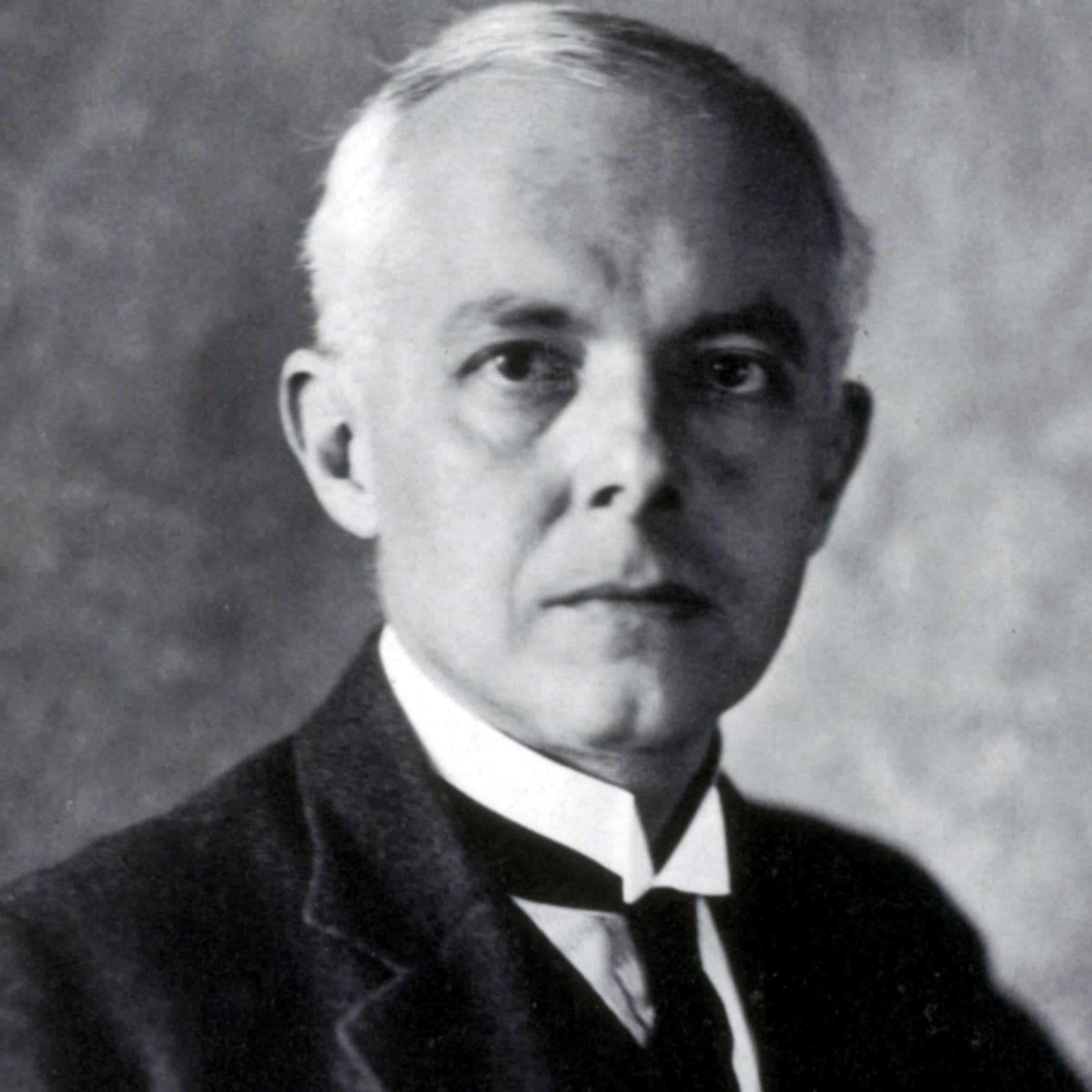


While Bartók's early work The combination of Korngold and Bartók initially seems unusual, as both composers embody very different musical currents of the 20th century. Nevertheless, remarkable similarities can be discerned in their piano quintets. While Bartók's early work is characterized by contemporary influences, Korngold's late-Romantic personal style is already fully developed at a young age. Interestingly, both composers were significantly involved in the premieres of their quintets, which took place two decades apart.
Béla Bartók began composing his Piano Quintet in Berlin in October 1903, influenced by both Richard Strauss and the search for a distinct Hungarian musical language. After the work was completed in Hungary, it was met with enthusiasm by the public but received mixed reviews. Following later revisions, it was performed again in 1921.
Structurally, Bartók's quintet is based on models such as Liszt and works with tonal contrasts and tritonal keys. The movements are characterized by rhythmic complexity and distinct Hungarian elements. The finale, in particular, is marked by Csárdás rhythms and melodic shifts that convey an ironic touch of Viennese elegance.
Korngold composed his Piano Quintet in E major at the same time as his opera 'Die tote Stadt' (The Dead City). The premieres in Hamburg and Vienna were enthusiastically received by Viennese music critics. Closely related to the quintet are the Four Farewell Songs, whose themes Korngold used as the basis for variations. This work, dedicated to his future wife, reflects a newly discovered Romanticism.
The quintet opens with a magnificent movement in E major, characterized by Strauss-like harmonies and emotional depth. The Adagio unfolds as a free series of variations on a theme from Korngold's Farewell Songs, while the finale stands out for its wit, complexity, and surprising metrical twists, culminating in a whimsical conclusion.
The finale is characterized by wit, complexity, and surprising metrical shifts, ultimately culminating in a whimsical ending.