

Robert Snow
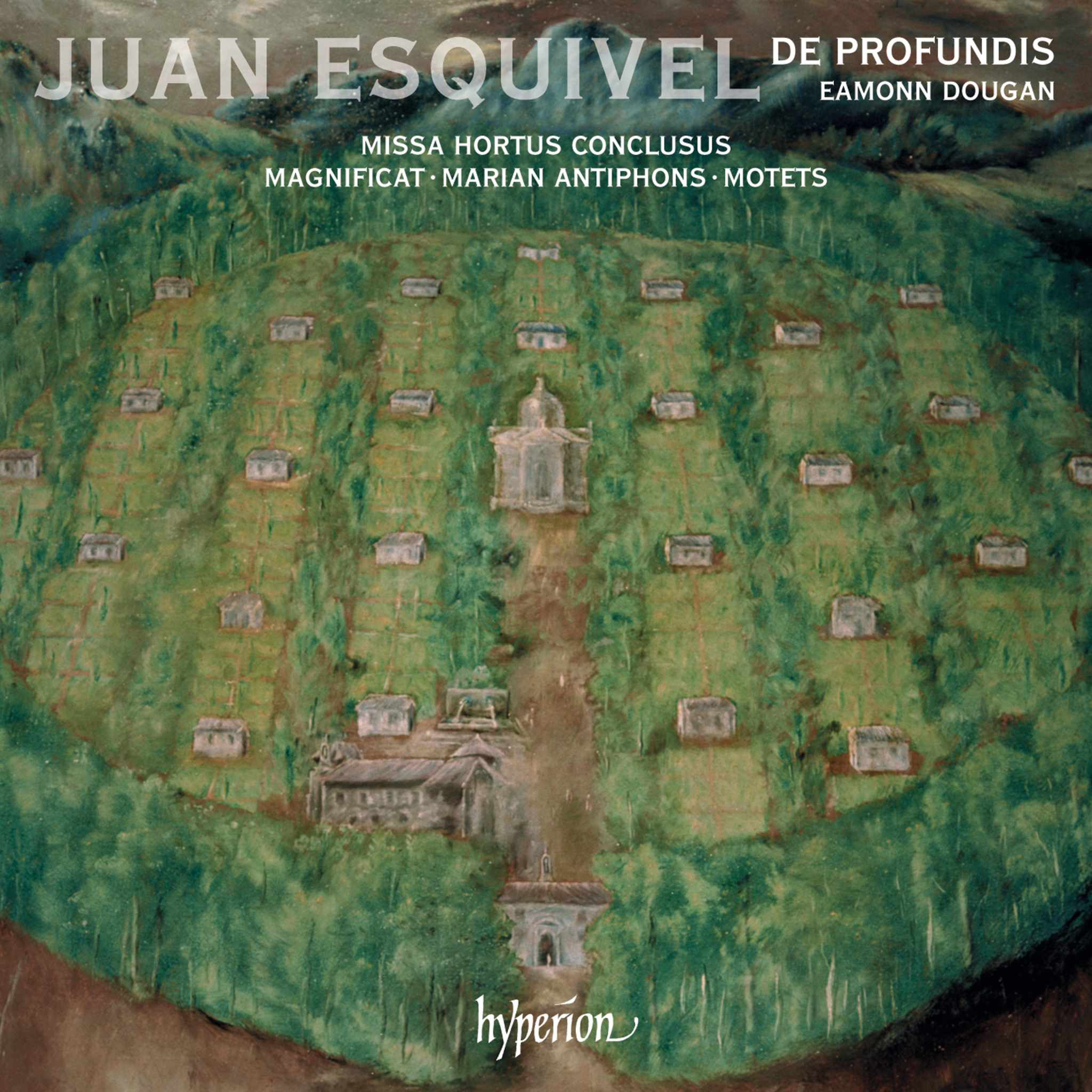
Der renommierte Musikwissenschaftler Robert Stevenson veröffentlichte 1961 sein Werk "Spanish Cathedral Music in the Golden Age", das sich vor allem auf die Komponisten Cristóbal de Morales, Francisco Guerrero und Tomás Luis de Victoria konzentriert. Später, 1993, wurde eine erweiterte Version in Spanisch veröffentlicht, die auch die Forschung zu Alonso Lobo und Sebastián de Vivanco integrierte. Ein bedeutender Druck von 1613 machte Juan Esquivel bekannt, der von Robert Snow 1973 wiederentdeckt wurde. Juan Esquivel, auch bekannt als Juan Esquivel de Barahona, wurde um 1560 in Ciudad Rodrigo geboren und stand in enger Verbindung mit dem Bischof Don Pedro Ponce de León. Er arbeitete in verschiedenen Kathedralen bis zu seinem Tod um 1630. Zu seinen Kompositionen gehören die Messe "Hortus conclusus" mit einer einzigartigen Interpretation der Motette von Rodrigo de Ceballos. Esquivels Musik umfasst zudem Motetten wie "Veni, Domine" und "Regina caeli" sowie die Magnificat-Antiphon "Sancta Maria", die selten in Doppelchor-Sätzen zu hören ist. Seine Kompositionen zeichnen sich durch vielschichtige Polyphonie und harmonische Phrasen aus.