
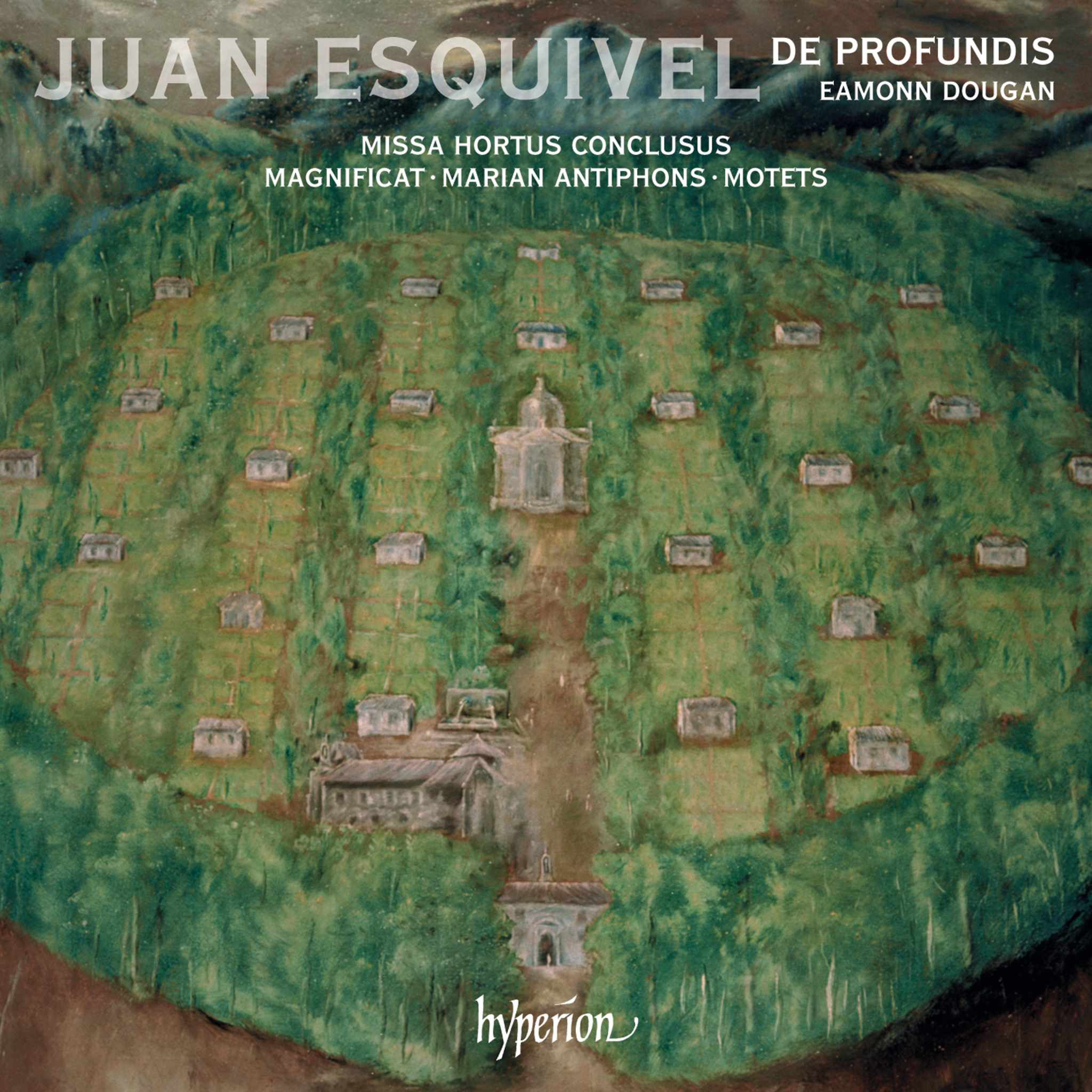

Juan Esquivel: Sacred Treasures of Spain
Renowned Spanish composer Juan de Esquivel Barahona (c. 1560 – after 1623) was a leading figure at the end of the Renaissance and one of the last great contributors to the Spanish Golden Age of polyphony. Known for his role as a cathedral choirmaster and composer, Esquivel’s most significant contributions lie within the realm of sacred choral music, leaving a lasting legacy within Spanish Renaissance polyphony.
Key Works and Recordings
Among Esquivel’s most celebrated works are the 'Missa Hortus conclusus,' Magnificat & Motets. The 'Missa Hortus conclusus' is a mass that exemplifies the rich, intricate polyphony characteristic of late-Renaissance Spain. This parody mass, drawing from themes of a motet by Rodrigo de Ceballos, demonstrates Esquivel’s mastery in synthesizing and elaborating on pre-existing material. His Magnificat settings and numerous motets balance technical mastery with intense expressiveness. His motets often form part of the liturgical treasures performed during Holy Week and other significant religious celebrations.
Performances and Interpretations
Recent performances and recordings of Esquivel’s music feature prominent ensembles such as De Profundis, under Eamonn Dougan, who have helped revive interest in Esquivel’s masses and motets. The London Oratory Schola Cantorum, led by Charles Cole, and A Capella Portuguesa, led by Owen Rees, have also programmed his works within the broader context of Renaissance sacred music. These groups have brought Esquivel’s music to modern audiences, emphasizing its spiritual depth and historical significance.
Esquivel's Influence and Legacy
Embark on a fascinating exploration of Juan Esquivel’s work, an introspective journey through sacred music that transcends time. His compositions reestablish the relevance and vigor of Spanish Polyphony in the contemporary period. The beauty and complexity of his sacred style, as illustrated in recordings and performances, are certain to leave an indelible print on all who listen.