






In 1929, George Gershwin was commissioned to compile a selection of his most important songs. Three years later, in 1932, the Songbook was published, containing not only well-known standards for voice and piano but also Gershwin's own piano transcriptions. In the introduction, Gershwin explained his motivations and highlighted the stylistic range of the collection, which also included newer titles such as "Liza," "I Got Rhythm," and "Who Cares?"
The Songbook showcased Gershwin's preferred interpretations, as he often performed them at private gatherings. The sophisticated piano arrangements were aimed at advanced pianists interested in artful arrangements of popular music. Gershwin emphasized a clear, vibrant style, particularly highlighting staccato playing and the characteristic rhythms of American popular music.
A special part of Gershwin's work was the film score he wrote with his brother Ira for the film "Shall We Dance?" The collaboration with Fred Astaire and Ginger Rogers led to great success, and several of the songs quickly became classics. Gershwin's other notable compositions included the string quartet "Lullaby" and the instrumental piece "Promenade," which was featured in an RKO film.
Franz Waxman, also a respected film composer, achieved fame in Hollywood with his music for films such as "Rebecca" and "Sunset Boulevard"; he received his first Oscar for the latter. His circle of friends included the famous violinist Jascha Heifetz, for whom Waxman composed a fantasy. The clarinet quintet "Souvenirs de voyage" was written as a musical reminiscence of British landscapes and culture.
Bernard Herrmann, who became famous for his collaborations with Alfred Hitchcock and other renowned directors, composed legendary film scores for films such as "Psycho" and "Taxi Driver." Influenced by composers like Charles Ives and British greats like Elgar, Herrmann created a diverse body of work encompassing operas, symphonies, and film scores. His clarinet quintet "Souvenirs de voyage" was also his last piece and reflected his fascination with Great Britain.
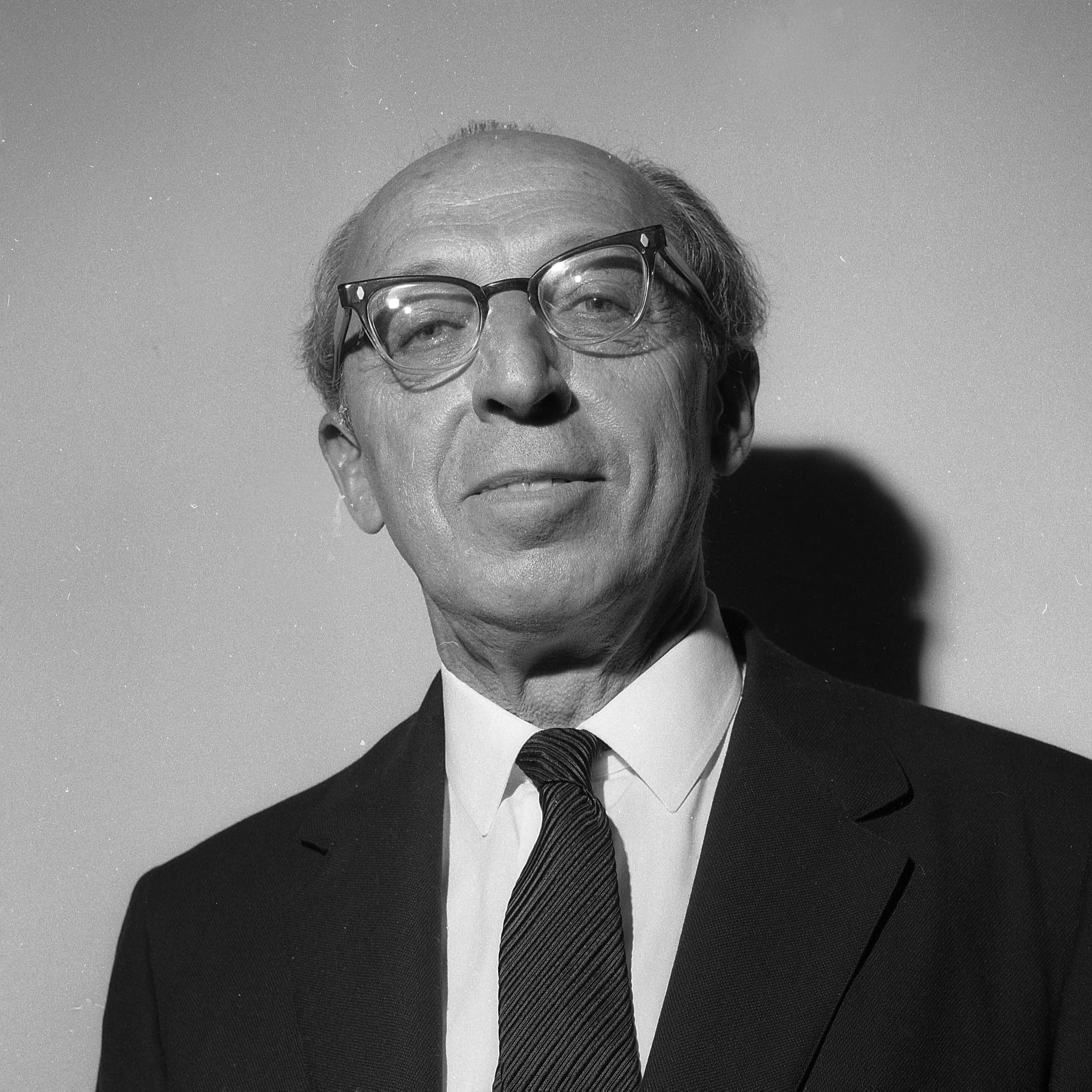
Aaron Copland, a prominent American composer, drew on the richness of American folk music for works such as "Billy the Kid." Together with cellist Gregor Piatigorsky, he arranged parts of his ballet for cello and piano, including the "Waltz" and the "Celebration," which were released in 1952. Although Copland was born in Brooklyn and wrote significant portions of his music in Paris, his music was considered a powerful portrayal of the American West.