
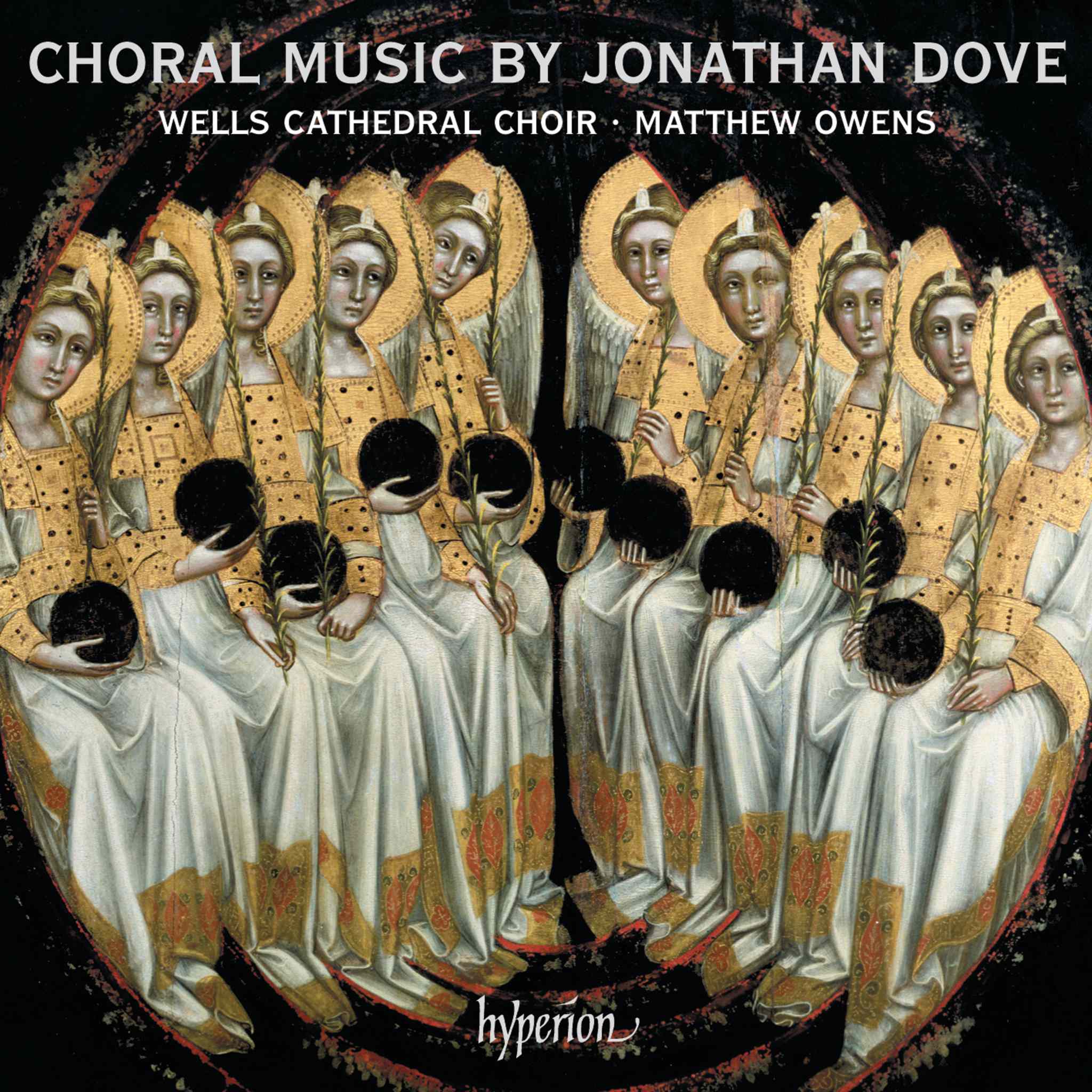




Jonathan Dove, born in 1959, is one of the most versatile composers of our time and has made a name for himself particularly through his extensive operatic output. His opera "Flight," for example, which deals with the fate of a group of stranded passengers at an airport, is considered a modern classic and has been performed worldwide. In addition to operas, Dove has also composed works for television, regional theaters, and period instruments, thus demonstrating his stylistic range.
A passion for theater and dramatic expression not only shapes Dove's operas but is also reflected in his sacred music. His numerous choral works, in particular, underscore the creative diversity and wealth of ideas that characterize his work.
In an interview with Time Out in November 2009, Dove spoke of his enthusiasm for creative projects in his youth: for example, he set the book "The Hobbit" to music for piano and built intricately detailed model theaters. This creative curiosity and fascination with theatrical expression also flow into his sacred music compositions. The pieces selected for this CD impressively demonstrate the multifaceted nature of Dove's musical settings and interpretations of texts.
A highlight of the recording is "Bless the Lord, O my soul," a moving setting of Psalm 104. Organ ornamentation and the canonic choral texture lend the work a festive aura. Alternating delicate piano passages, organ motifs, and powerful choral entries provide an imposing conclusion to this hymn of praise.
The "Missa brevis," the most recent work on the CD, was commissioned by the Cathedral Organists' Association and strikes a successful balance between accessibility and artistic ambition. Here, Dove combined the Latin text with an expressive organ accompaniment, resulting in a work that garnered high praise from choirs and has been performed many times.
Other pieces include "I am the day" and "Wellcome, all wonders in one sight!" And "The Three Kings" exemplifies Dove's extraordinary sensitivity to diverse musical expressions – from spiritual hymns to festive Christmas carols, his compositional mastery shines through.
Taken together, the works on this CD offer a fascinating glimpse into Jonathan Dove's musical universe and impressively demonstrate his exceptional versatility as a composer.