
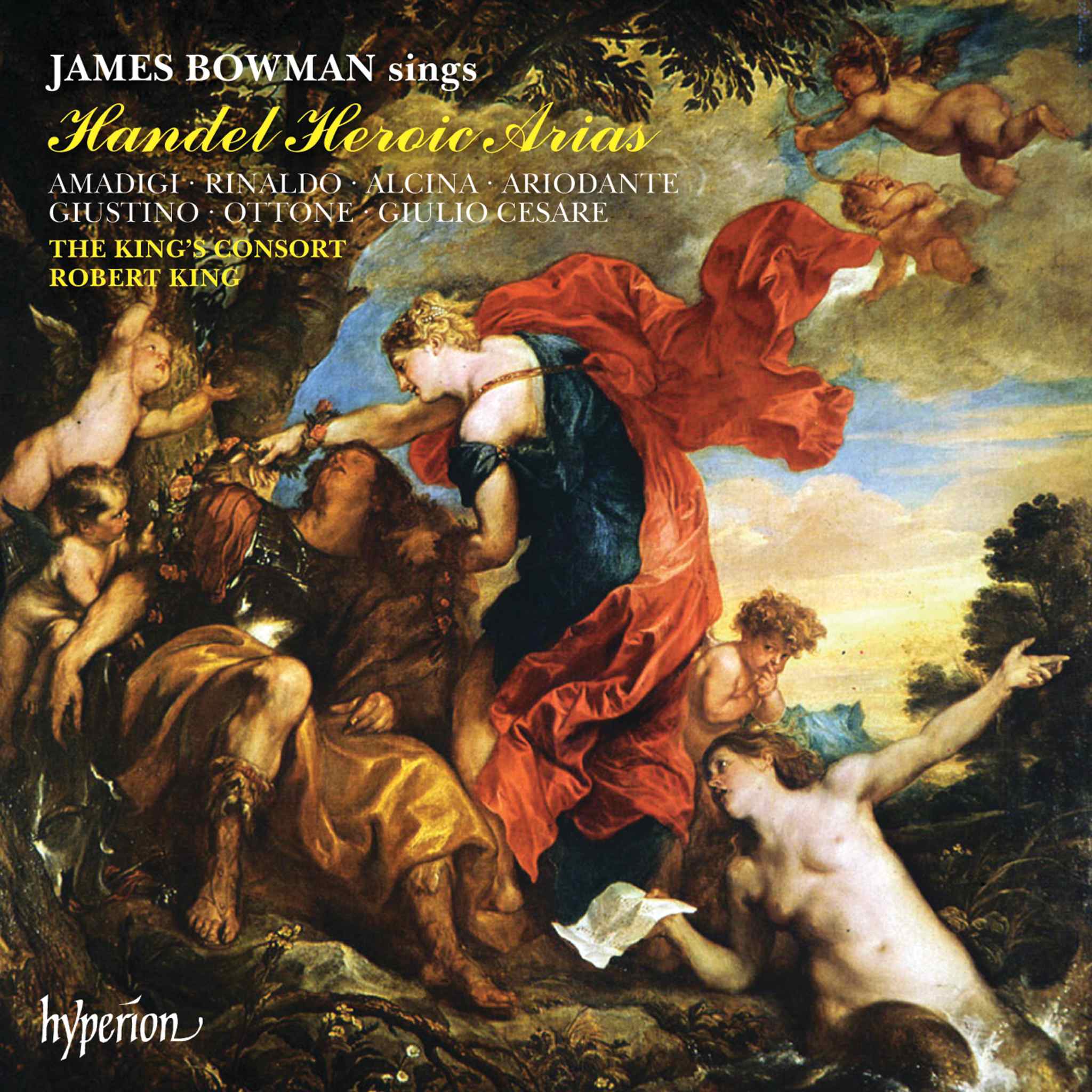





In the Baroque era, opera developed into a major musical form, leading to a veritable adoration of singers as audience favorites. Although English audiences initially harbored reservations about the genre, opera gained increasing popularity in the early 18th century. Foreign singers were particularly in demand, above all the castrato Nicolini. Handel recognized England's great potential for opera early on; the success of "Rinaldo" with Nicolini as the leading man impressively confirmed this. Subsequently, there was a growing practice of engaging singers from abroad. Audiences flocked to performances to see these stars, so that eventually operas were performed entirely in foreign languages. While the successes and setbacks Handel experienced with his operas in London are well documented, many works nevertheless fell into obscurity. However, some arias remained popular, ensuring that parts of the operas lived on.
The arias in Handel's works mostly served to reflect on previous events rather than to advance the plot. For many opera-goers, the main reason for attending was precisely these arias, the selection of which often depended on the fame of the singers. The collection presented here contains arias for renowned castrati, sung in the original language and predominantly in their original key. The album not only pays tribute to Handel's compositional talent but also to the countertenor James Bowman, who significantly contributed to the worldwide dissemination of Handel's music.
After the overwhelming success of "Rinaldo" in 1711, Handel attempted to repeat this triumph with works such as "Il pastor fido," "Teseo," and "Amadigi"—but the major success eluded him. "Amadigi" captivates with musically impressive scenes revolving around magic, for example, in "Pena tiranna." With "Giulio Cesare," Handel created orchestral effects that thrilled audiences. Handel also demonstrated his inventiveness in operas like "Serse" and "Giustino," but the major breakthrough remained elusive. With declining interest in opera, Handel increasingly turned to oratorio, which eventually brought him new successes.