
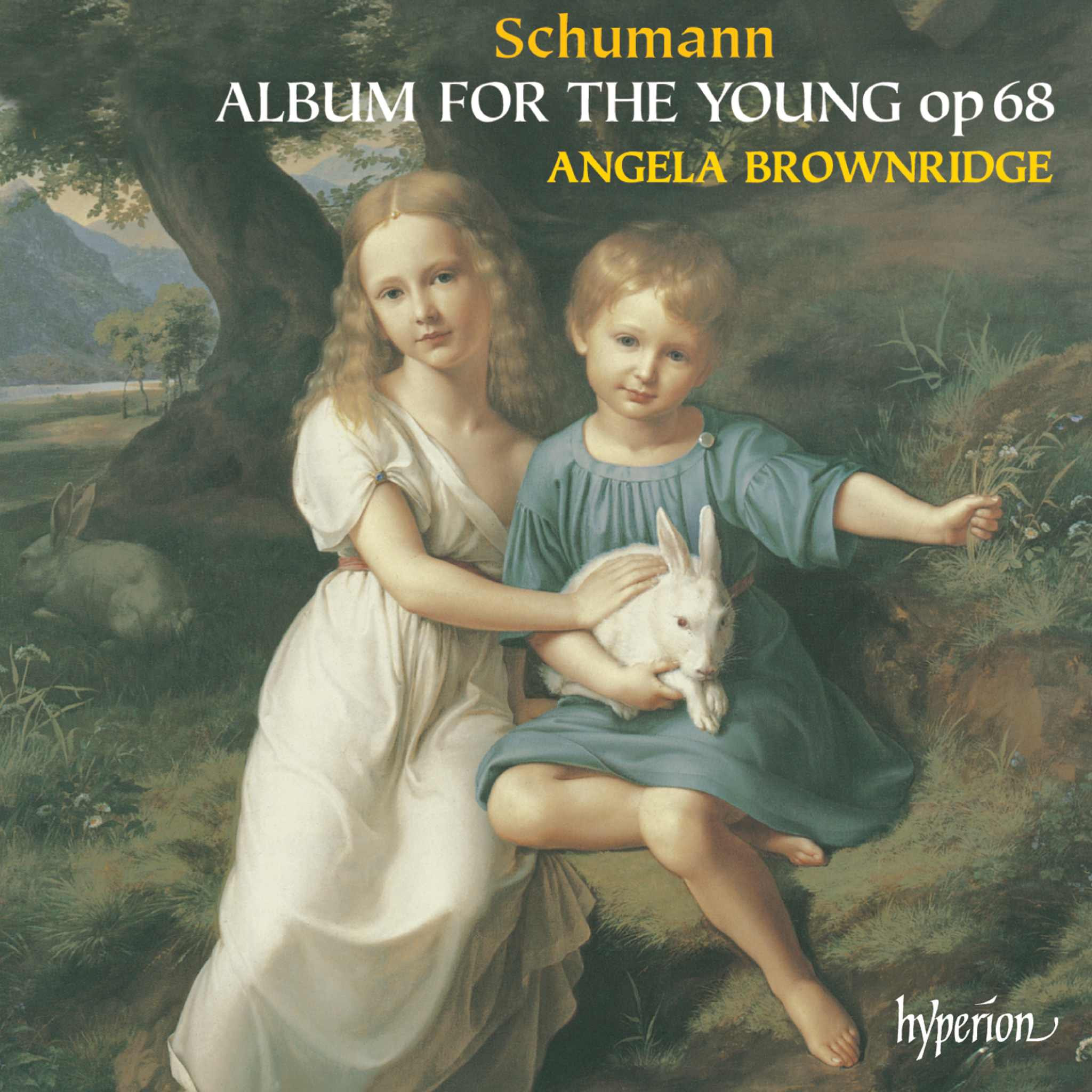

Robert Schumann zählt zu den ersten bedeutenden Komponisten, die mit Fantasie und Einfühlungsvermögen die Welt der Kinder musikalisch erforschten, wobei ihn seine tiefe Verbundenheit zu Clara Wieck inspirierte. Bereits 1838 entstanden seine berühmten Kinderszenen, in denen sich seine ersten Versuche, für Kinder zu schreiben, in liebevollen musikalischen Miniaturen widerspiegeln. Auch wenn Schumann in diesen Werken Kindheitsthemen aufgriff, richteten sie sich laut eigener Aussage in ihrer Einfachheit doch eher an erwachsene Zuhörer. Zehn Jahre später schuf er das Album für die Jugend, dessen Stücke allmählich an Schwierigkeit zunahmen.
Das Album für die Jugend teilte Schumann in zwei Teile: Der erste Abschnitt war für jüngere, der zweite für fortgeschrittenere Spieler gedacht. Er mied bewusst schwierige Tonarten und bevorzugte einen klaren Zweiertakt. Die anfänglichen Stücke dienten der Vermittlung grundlegender Klaviertechniken. Charakteristisch für viele Kompositionen sind Schumanns feine Andeutungen und verschlüsselte Motive, wie sie sich etwa in 'Knecht Ruprecht' oder im Thema der Frühlingssonate zeigen. Die abwechslungsreiche Rhythmik und Ausdruckskraft der Stücke begründen den pädagogischen Wert des Werkes.
Im zweiten Teil begegnet man Kompositionen mit programmatischen Titeln und höherem spielerischen Anspruch. Schumann bezog sich literarisch und musikalisch auf Zeitgenossen wie Mendelssohn oder Niels Gade. Einige Stücke zeigen eine lyrische Melancholie, andere führen in die Welt des Kontrapunkts ein. Dabei gelang es Schumann stets, zwischen didaktischer Klarheit und poetischer Empfindsamkeit zu balancieren. Die stilistische Vielfalt spiegelt Schumanns außergewöhnliches Gespür für die kindliche Erlebniswelt wider, ohne je belehrend zu wirken.