




Im Verlauf des mittleren und späten Barock kam es in der Familie der Holzblasinstrumente zu grundlegenden Veränderungen. Die Blockflöte verschwand zunehmend, während die Querflöte immer mehr an Bedeutung gewann. Deutsche Musiker wie Quantz und der Franzose Hotteterre prägten die Weiterentwicklung der Querflöte entscheidend. Komponisten wie Bach, Telemann, Blavet und Leclair loteten die technischen und klanglichen Möglichkeiten des Instruments intensiv aus. In Opernorchestern jener Zeit erhielt die Querflöte einen stetig wachsenden Stellenwert, wohingegen Blockflöten meist nur noch für besondere Klangfarben reserviert blieben. Bach setzte in seinen Weimarer Kantaten ausschließlich Blockflöten ein, führte aber in Leipzig die Querflöte ein. Die Verwendung der Blockflöte als pastorales Symbol nahm ab, und nach 1725 entstanden kaum noch neue Werke für dieses Instrument. Die Kompositionen von Händel und Bach gelten als die letzten bedeutenden Beiträge zur Blockflötenliteratur.
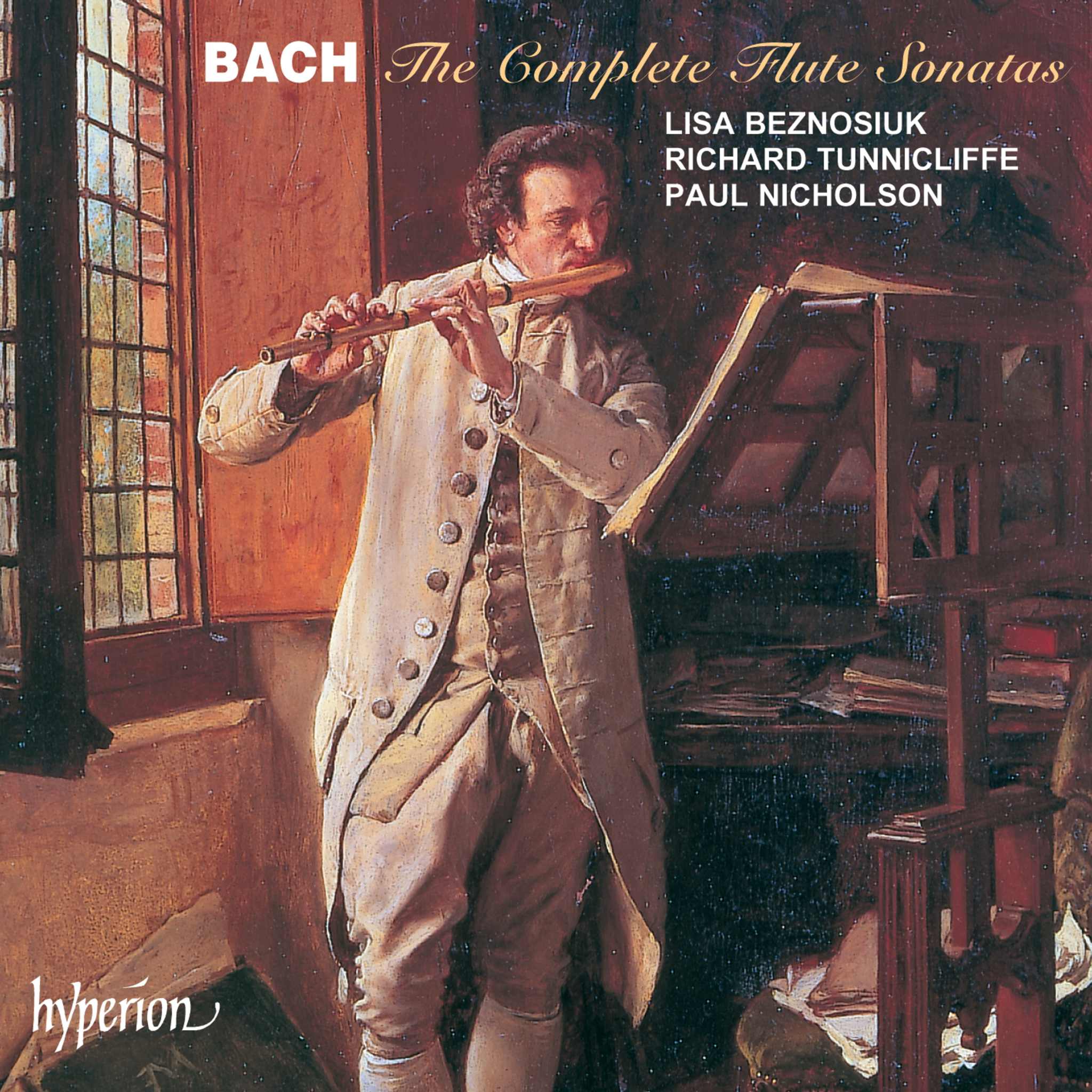
Die Sonate in e-Moll für Flöte und Basso continuo, BWV 1034, entstand vermutlich in Bachs frühen Leipziger Jahren. Sie orientiert sich an der Form der italienischen "Sonata da chiesa" und verbindet Virtuosität mit musikalischem Ausdruck. Die A-Dur-Sonate, BWV 1032, blieb unvollständig, wurde aber rekonstruiert und unterschiedlich interpretiert – so etwa von Lisa Beznosiuk. Die h-Moll-Sonate zeichnet sich sowohl stilistisch als auch technisch aus und fordert höchste Virtuosität.
Bachs Musik für Flöte ist durch ein Manuskript aus den Jahren um 1722/23 überliefert. Seine viersätzige Tanzsuite demonstriert sein Gespür für zarte Melodien und feine Gestaltung. Die Triosonate in G-Dur, BWV 1039, zählt zu den wenigen Triowerken Bachs mit Flöte. Bedeutende Beiträge zur Flötenliteratur stellen zudem die h-Moll-Sonate, BWV 1030, und die Orchestersuite in d-Moll dar. Die letzte Flötensonate, BWV 1035 in E-Dur, schrieb Bach in seinen späten Lebensjahren.
Die stilistisch abweichende g-Moll-Sonate, BWV 1020, wird Carl Philipp Emanuel Bach zugeschrieben. Die C-Dur-Sonate, BWV 1033, entstand vermutlich in Zusammenarbeit zwischen Bach und einem seiner Söhne. Die Autorschaft der Es-Dur-Sonate, BWV 1031, bleibt weiterhin ungeklärt.