

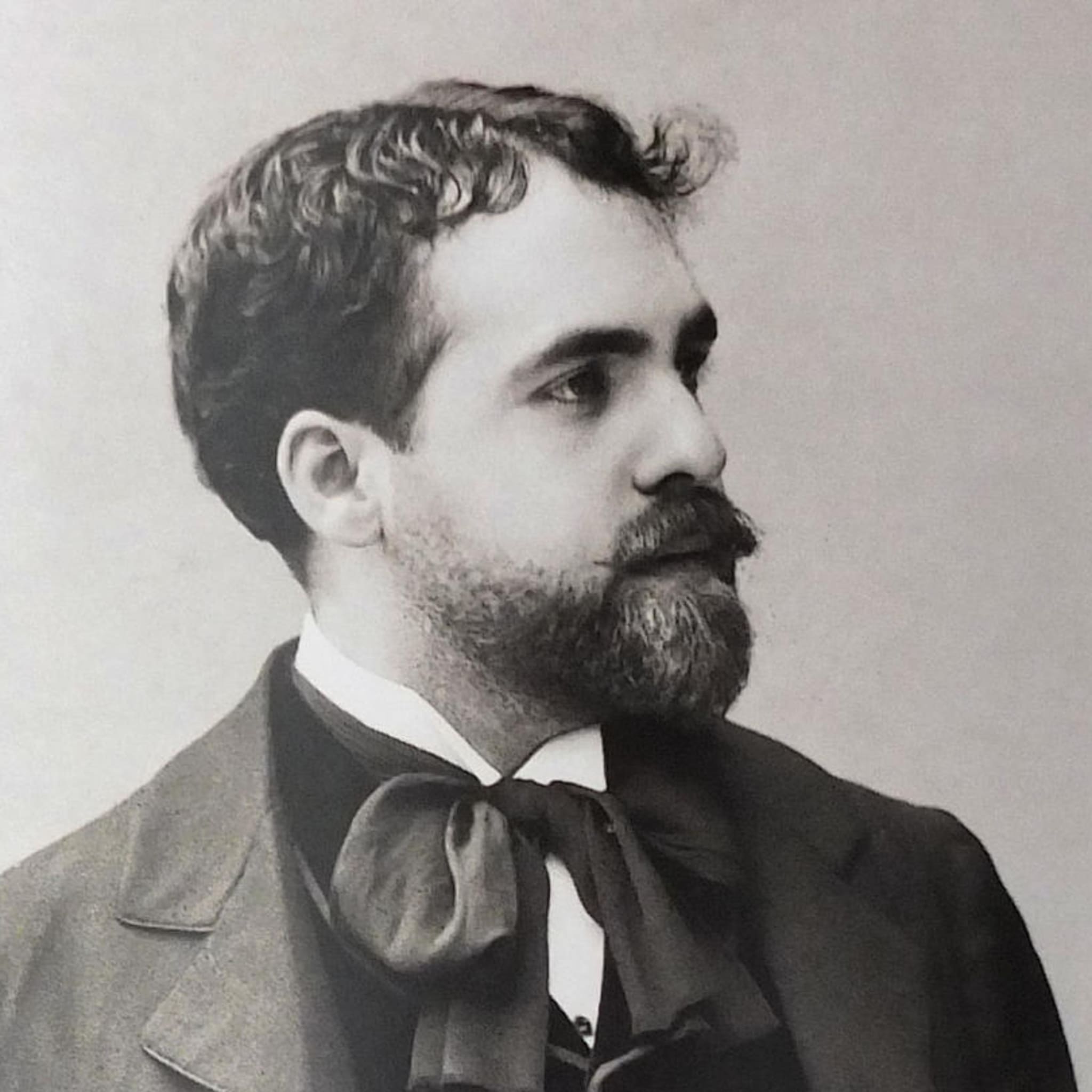


Reynaldo Hahn, born in Caracas in 1874, was the youngest of twelve children. Even as a child, he displayed a pronounced musical talent and at the age of eleven was admitted to the Paris Conservatoire, where he studied under Massenet. The style of his compositions was strongly influenced by his teacher. He attracted attention early on with his songs; one of his best-known works, "Si mes vers avaient des ailes," was written when he was thirteen.[3]
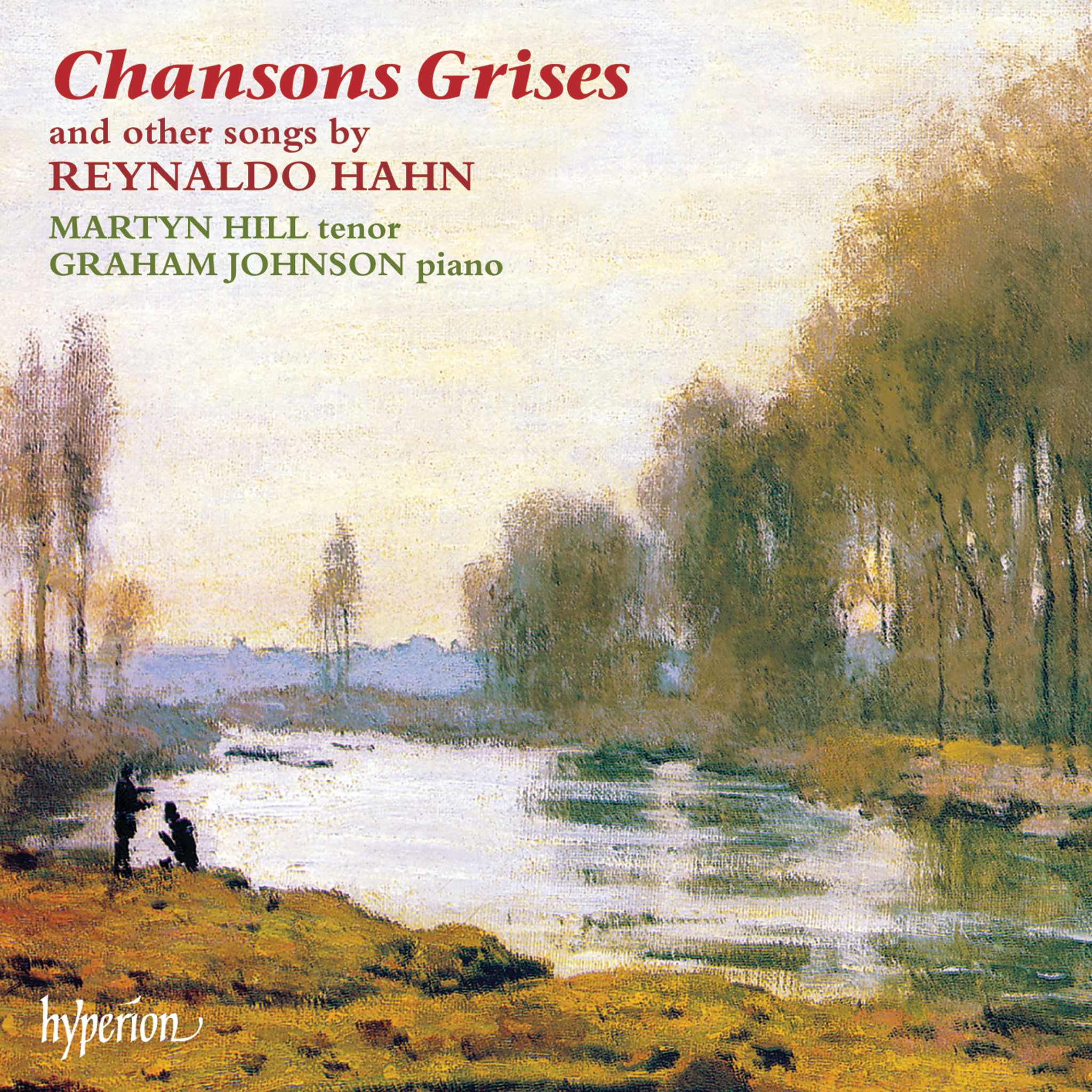
Hahn's songs date predominantly from the 1890s and are characterized by a distinctive style that transcends typical salon music. The composer was particularly appreciated for his refined melodic charm and his ability to set poems, such as those by Paul Verlaine, to music. Examples of this include the "Chansons Grises" and works like "À Chloris" and "Tyndaris," in which he masterfully captured moods and nuances.
Hahn's songs date predominantly from the 1890s and are distinguished by a unique style that transcends typical salon music. In addition to his work as a composer, Hahn was also active as a conductor and music writer, and moved in the circle of Marcel Proust.[4] His musical output ranged from operettas and operas to chamber music and piano pieces. Particularly in songs such as "Chanson d'automne," "L'heure exquise," and "La bonne chanson," he demonstrated his predilection for subtle, harmonic settings.
Works such as "Offrande," which he composed at the age of 16, attest to Hahn's sensitivity to harmonic refinement and his delicate exploration of contrasts such as idyllic scenes and pathos. His music thrives on the close connection between poetry and sound, which makes him an outstanding representative of his era.[3][4]