
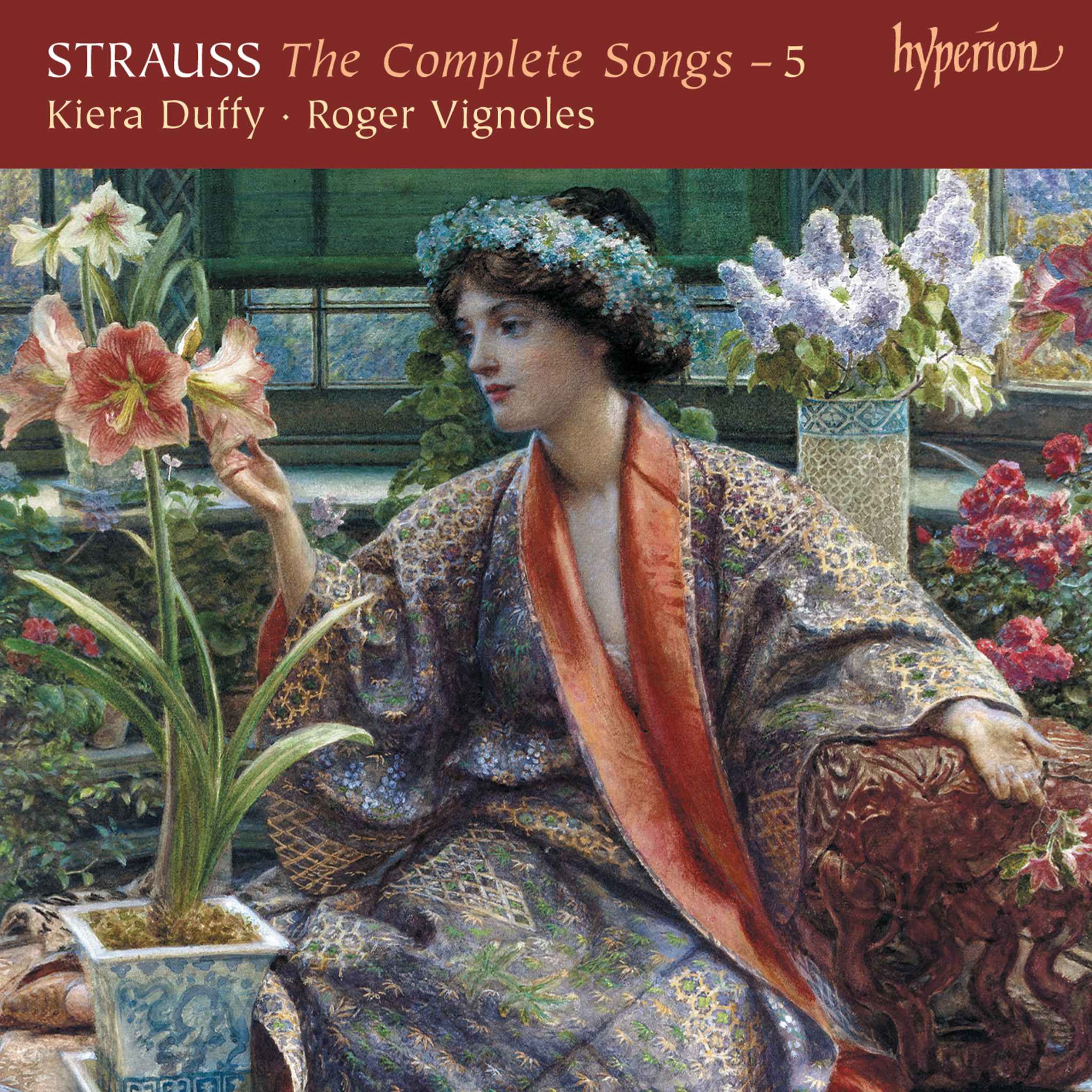

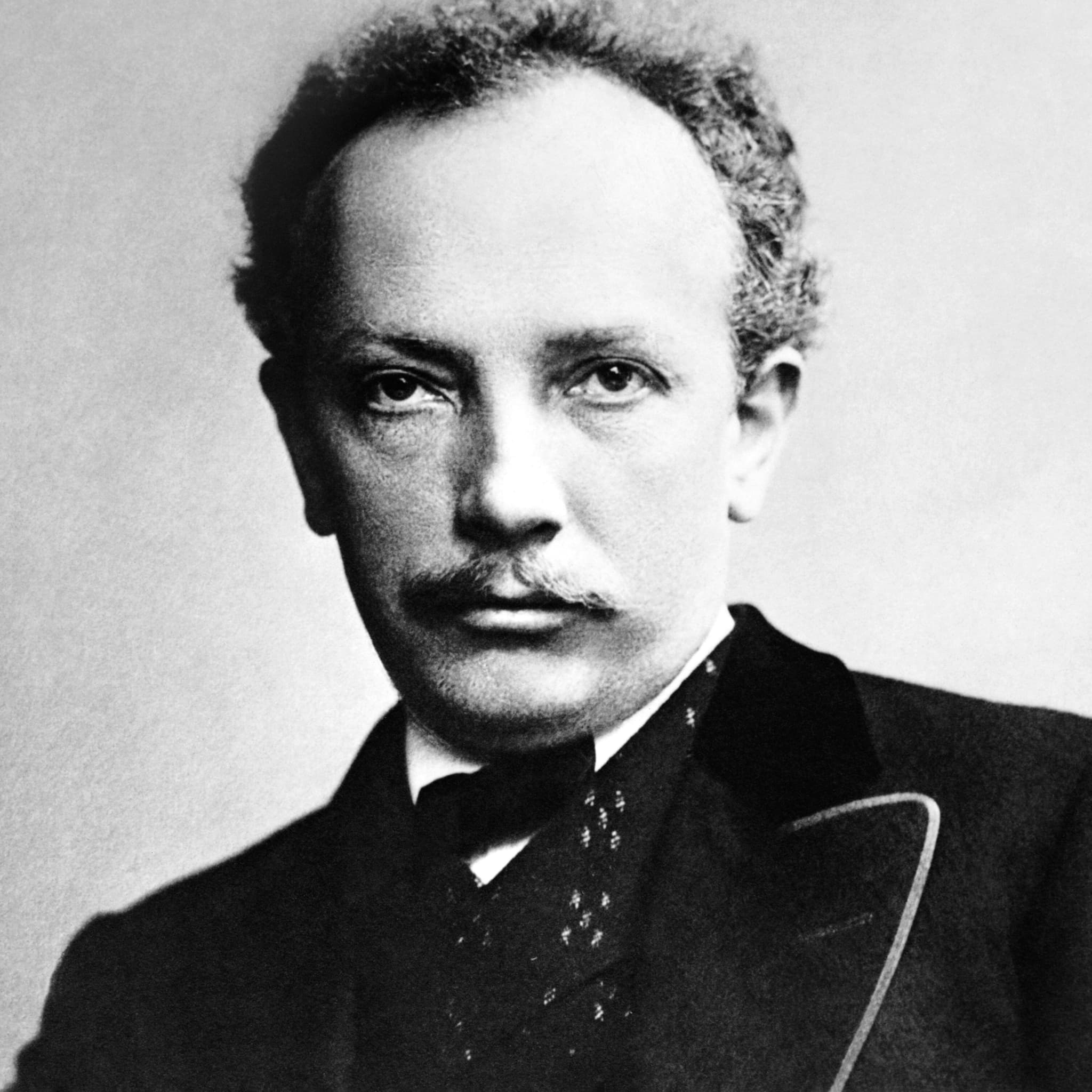




Between 1906 and 1918, Richard Strauss composed no songs. After the success of the 1905 performance of Salome, he concentrated on consolidating his reputation as a leading opera composer of the early 20th century. During this period, he composed works such as Elektra (1908), Der Rosenkavalier (1910), and the two versions of Ariadne auf Naxos from 1912 and 1916. It wasn't until 1917, after completing the score of Die Frau ohne Schatten, that he returned to song. With the Brentano-Lieder, Op. 68, he created his most important song cycle after the Vier letzten Lieder (Four Last Songs), which followed three decades later.
Clemens Brentano, a key figure of German Romanticism, maintained close ties with Wieland, Herder, Goethe, and Schlegel. His life was unconventional and restless; for years he traveled the country like a wandering minstrel. The deep friendship with Achim von Arnim, who married Brentano's sister Bettina, led to the publication of the collection "Des Knaben Wunderhorn" (The Boy's Magic Horn). Strauss set three texts from this work to music before turning to six of Brentano's poems in 1918. Inspired by their vivid imagery, he composed virtuosic vocal passages and demanding piano accompaniments. The Brentano Songs were originally written for Elisabeth Schumann but were only performed in their entirety once.
In the years leading up to 1918, Strauss also had disagreements with his publisher, Bote & Bock, after signing an unfavorable contract. For this reason, he initially withheld the Brentano Songs and offered the publisher the Krämerspiegel cycle instead. This CD brings together the Brentano Songs with 15 other songs for high voice, composed between 1888 and 1900. Even in "Mädchenblumen" (Maiden Flowers), based on poems by Felix Dahn, Strauss's sense of literary sensitivity and musical refinement is evident. Hans Giessen, first tenor at the Weimar Court Opera, was the dedicatee of the entire collection and frequently performed Strauss's songs – often accompanied by the composer himself on the piano.