
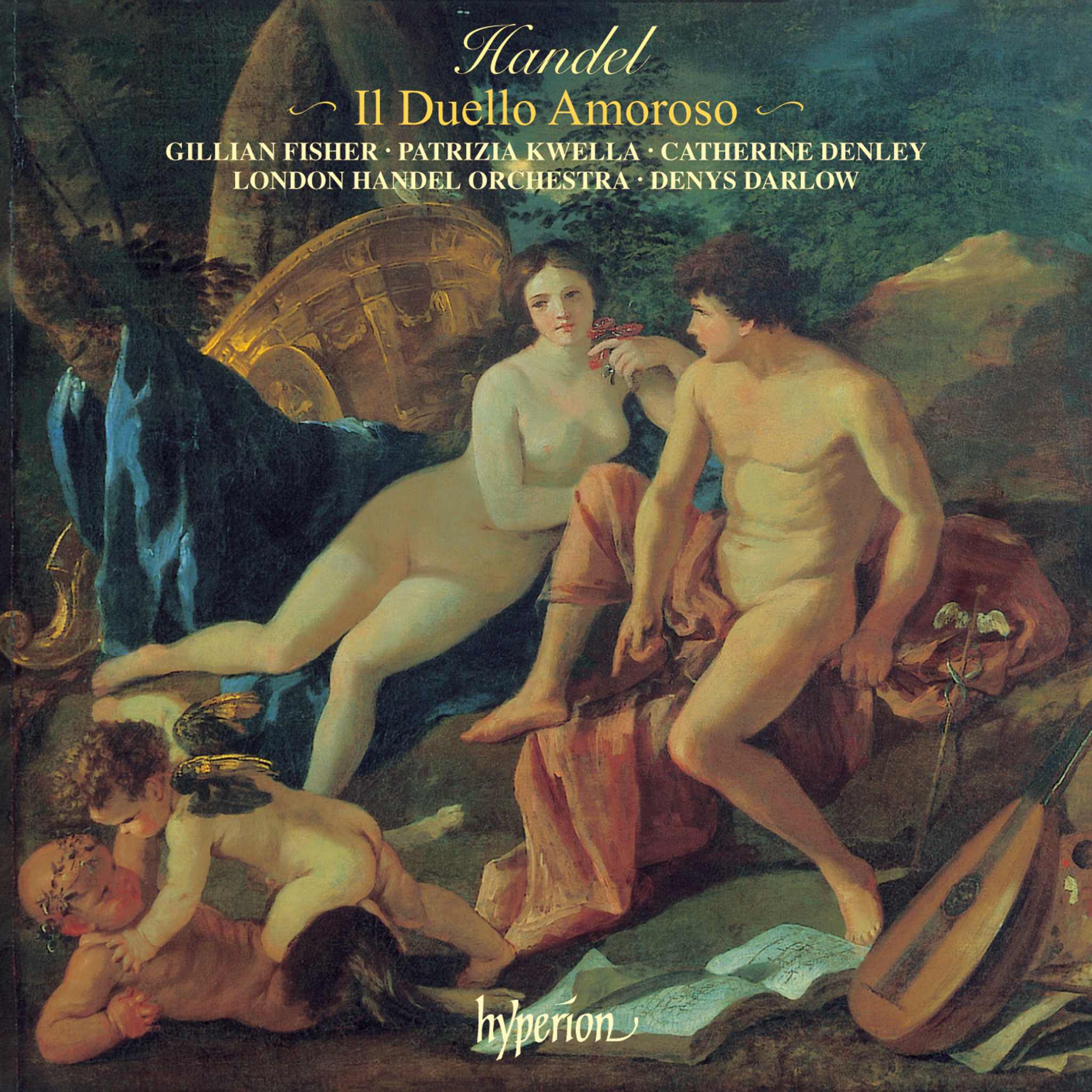

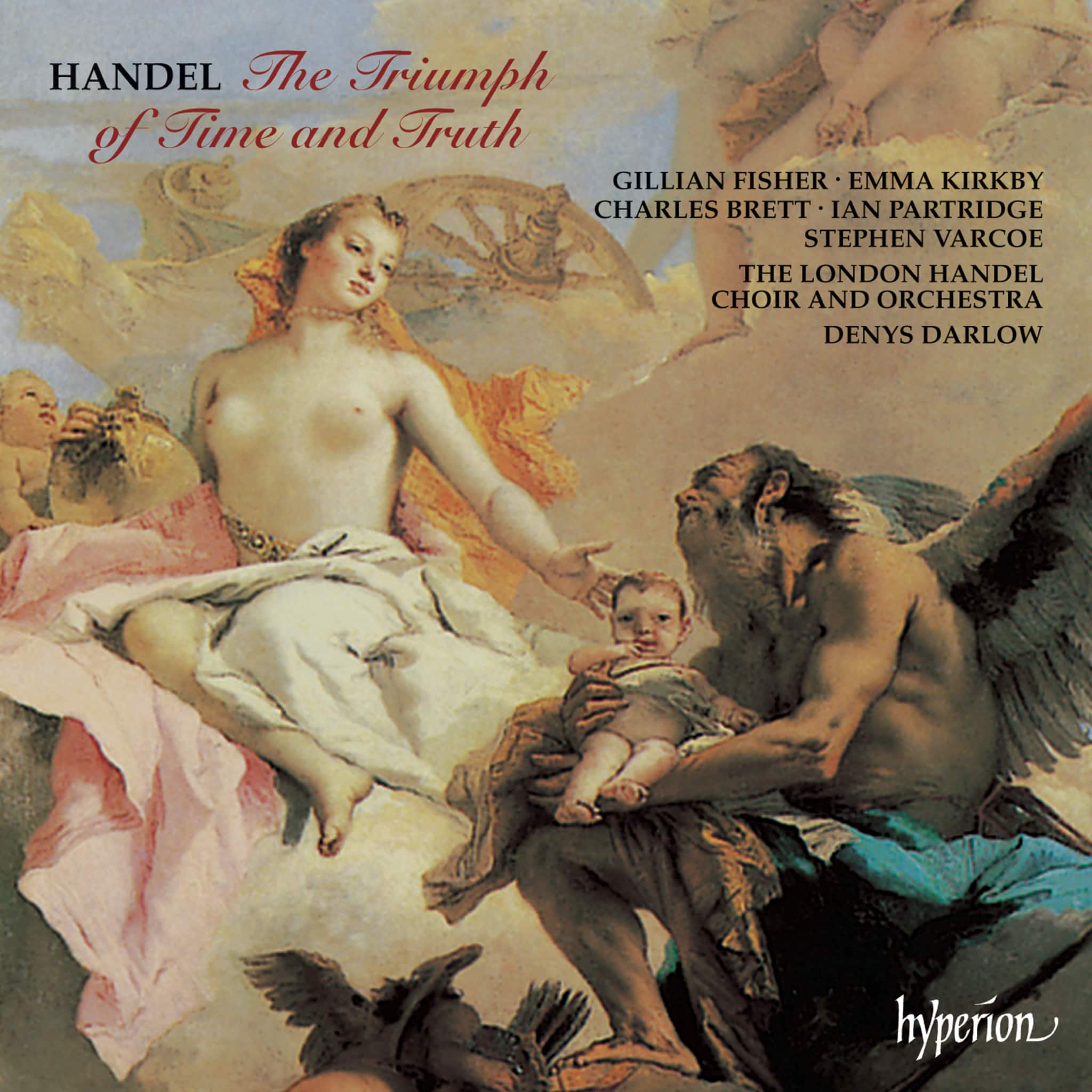
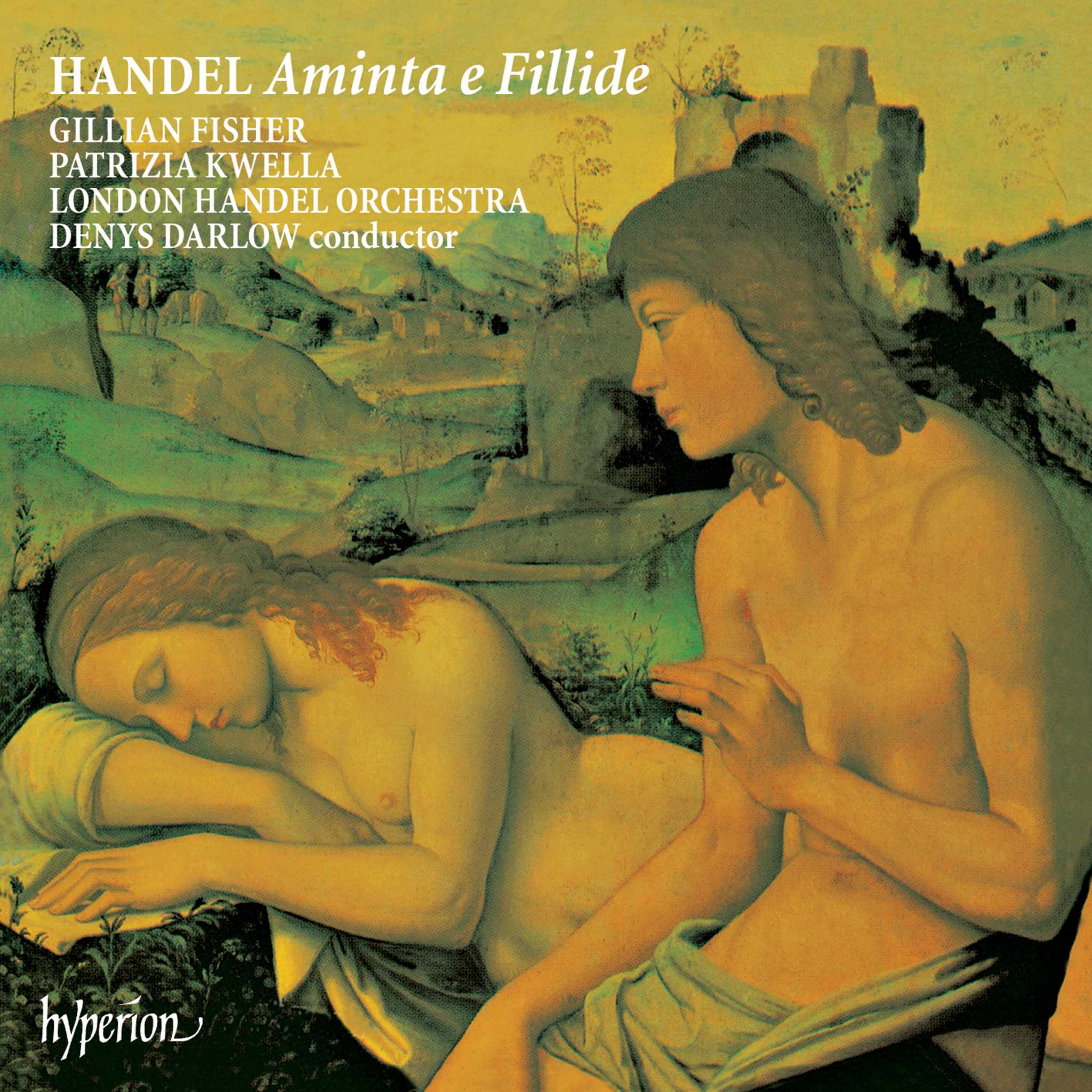
In 1706, Handel traveled to Italy, where he stayed for four years to further develop his skills as a composer. During his time there, he lived in Rome and on prestigious estates, composing numerous cantatas for solo voices. These works were often performed in private settings to showcase and promote musical talent. He dedicated many of his cantatas to his Roman patron, the Marchese Ruspoli. One example is the cantata "Clori, mia bella Clori," which intensely expresses musical emotions in an intimate setting.
Another cantata, "Amarilli vezzosa," explores a dramatic musical encounter between the characters Daliso and Amaryllis. Their relationship evolves into a symbolic battle of emotions, culminating in a forest scene. Handel skillfully evoked the characters' feelings through music, for instance, through moving, soulful pieces and energetic duets.
In his work 'O come chiare e belle', Handel intertwined the political events of the War of the Spanish Succession with a hymn of praise to his patron Ruspoli. The composition reflects the political climate of the time and honors Ruspoli's dedication to the Pope. With virtuosic musical flourishes, including expressive sonatas and impressive arias, Handel created a musical expression of gratitude to Ruspoli amidst the political circumstances of the era.