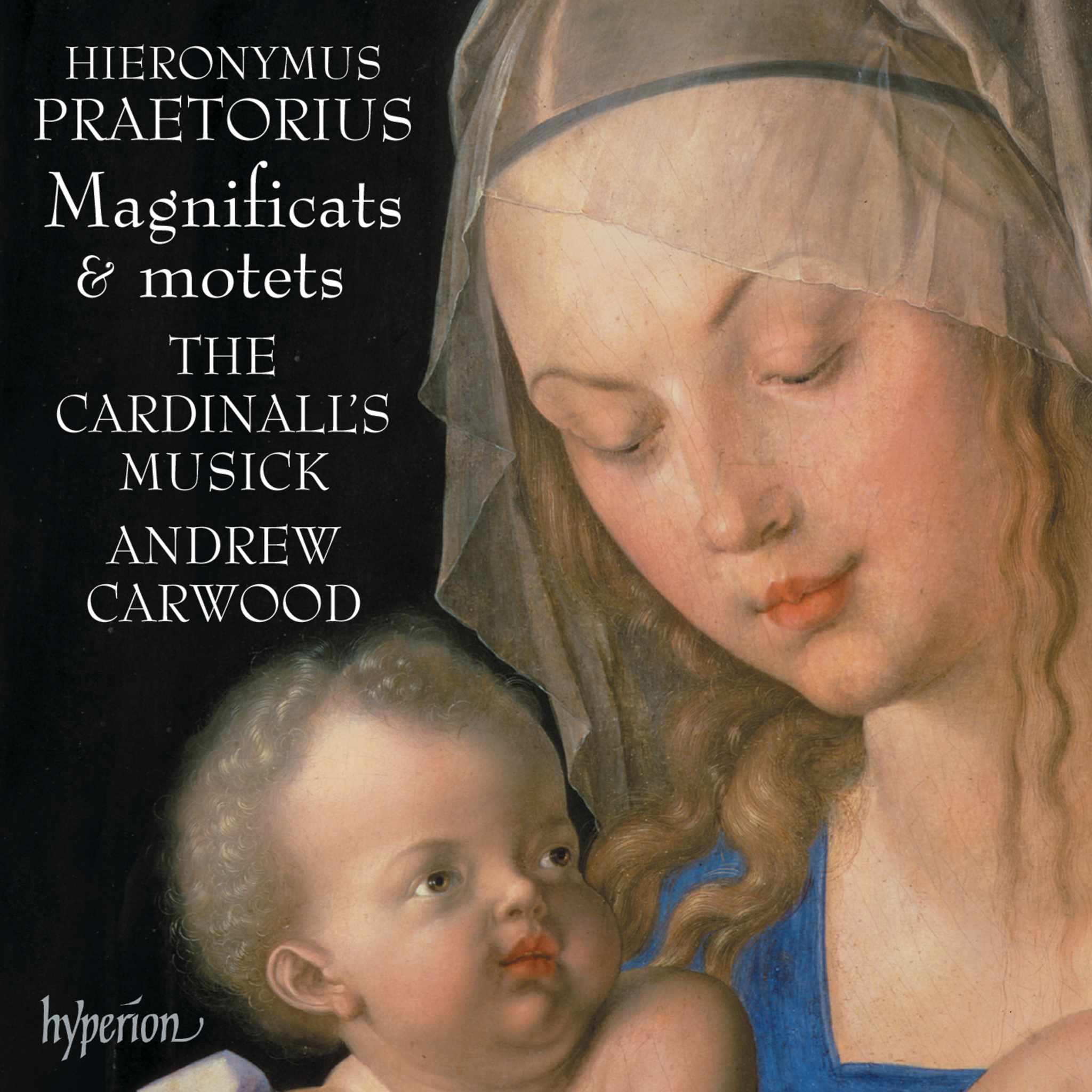
Hieronymus Praetorius: The Magnificence of Magnificats & Motets
Experience the harmonious confluence of the Balthasar-Neumann-Chor, Balthasar-Neumann-Ensemble, & Pablo Heras-Casado's interpretations of Praetorius's works. Delve into the fascinating world of the late Renaissance and early Baroque music with Hieronymus Praetorius' unique compositions and organ harmonies. Not to be confused with the renowned Michael Praetorius, Hieronymus held his own in the musical world, making significant contributions throughout the 16th and 17th centuries.
Composer Profile
Immerse yourself in the music of Hieronymus Praetorius (1560-1629), a renowned composer and organist from Northern Germany. This well-regarded figure from the late Renaissance and nascent Baroque periods left a lasting impact on the world of classical music, despite being unrelated to his contemporary, Michael Praetorius. His compositions, a testament to the flourishing musical culture among the Praetorius family during the 16th and 17th centuries, continue to fascinate classical music enthusiasts.
Musical Career and Influence
Praetorius received his initial organ instruction from his father, Jacob Praetorius, himself an accomplished composer and organist. After studying in Cologne with Albinus Walran from 1574 to 1576, he returned to Hamburg where he continued his studies with Hinrich thor Molen. Hieronymus began his career as an organist in Erfurt (1580–1582), then returned to Hamburg to become assistant to his father at St. Jacobi. Upon his father’s death in 1586, he took over as principal organist—a position he held for the rest of his life.
Major Works and Style
Incredibly skilled and artistically diverse, Hieronymus Praetorius was renowned for his organ works and motifs, transcending the musical norms of his time to establish an enduring legacy. From Magnificats to Motets, his music, beautifully interpreted by acclaimed groups like the Balthasar-Neumann-Chor and Ensemble under the astute direction of the renowned conductor Pablo Heras-Casado, enriches our understanding and appreciation of the transformative music periods he was part of.
Hieronymus Praetorius is especially known for his Opus Musicum (1616–1622), a collection of more than 100 motets featuring up to 20 vocal parts and demonstrating masterful use of the Venetian polychoral style. His music stands out for its grandeur and complexity, but stylistically, it is considered conservative for its time. For instance, the basso continuo is only optional, and he made no use of the newer monodic styles or obbligato instruments that were emerging in the early Baroque period.
Legacy
Join us on STAGE+ to explore and revel in the distinguished compositions and incredible organ harmonies of Hieronymus Praetorius, one of the significant musicians of the Praetorius family, who shaped the music of the 16th and 17th centuries in fascinating ways. Praetorius’s legacy is that of a key figure in transmitting the Venetian polychoral tradition to Germany.